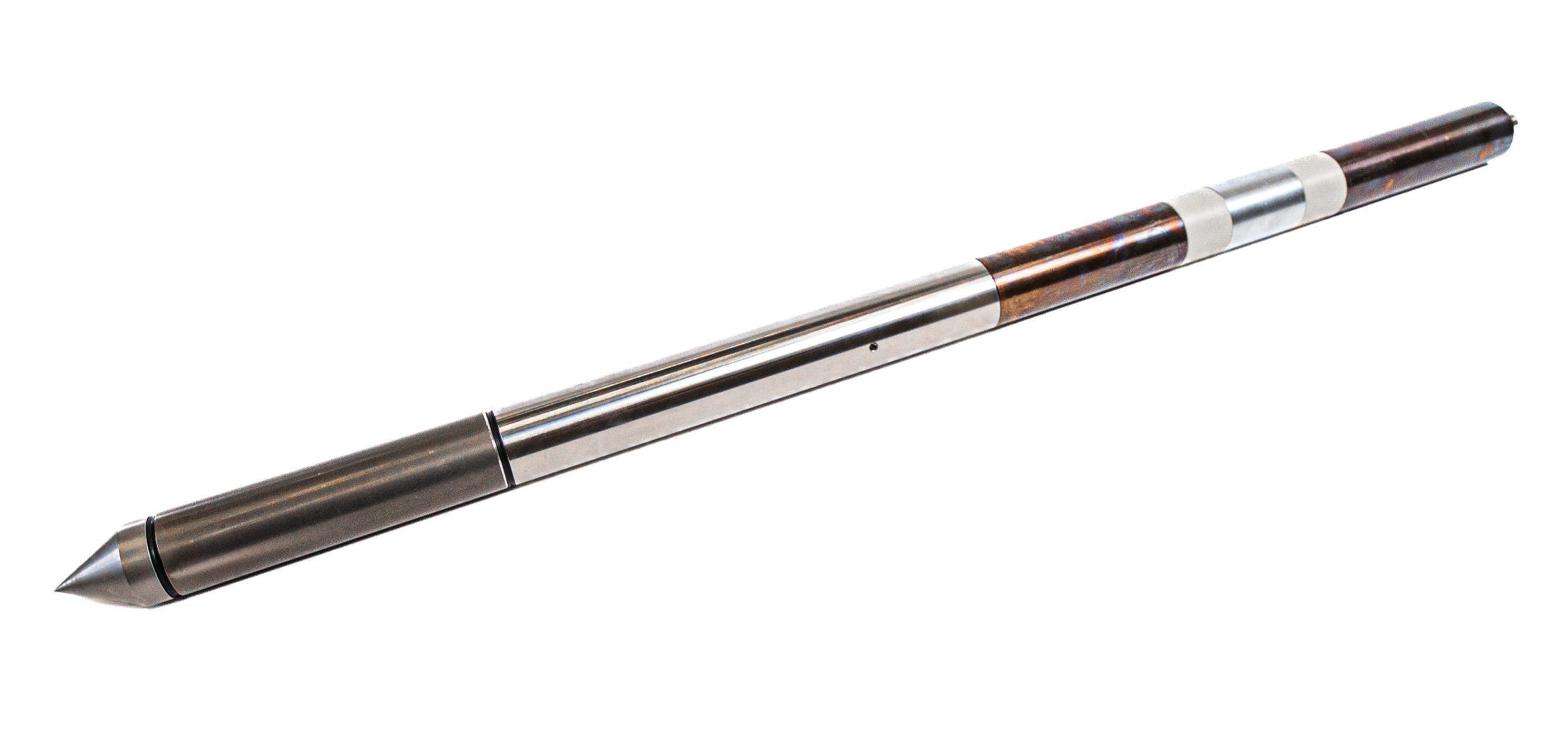
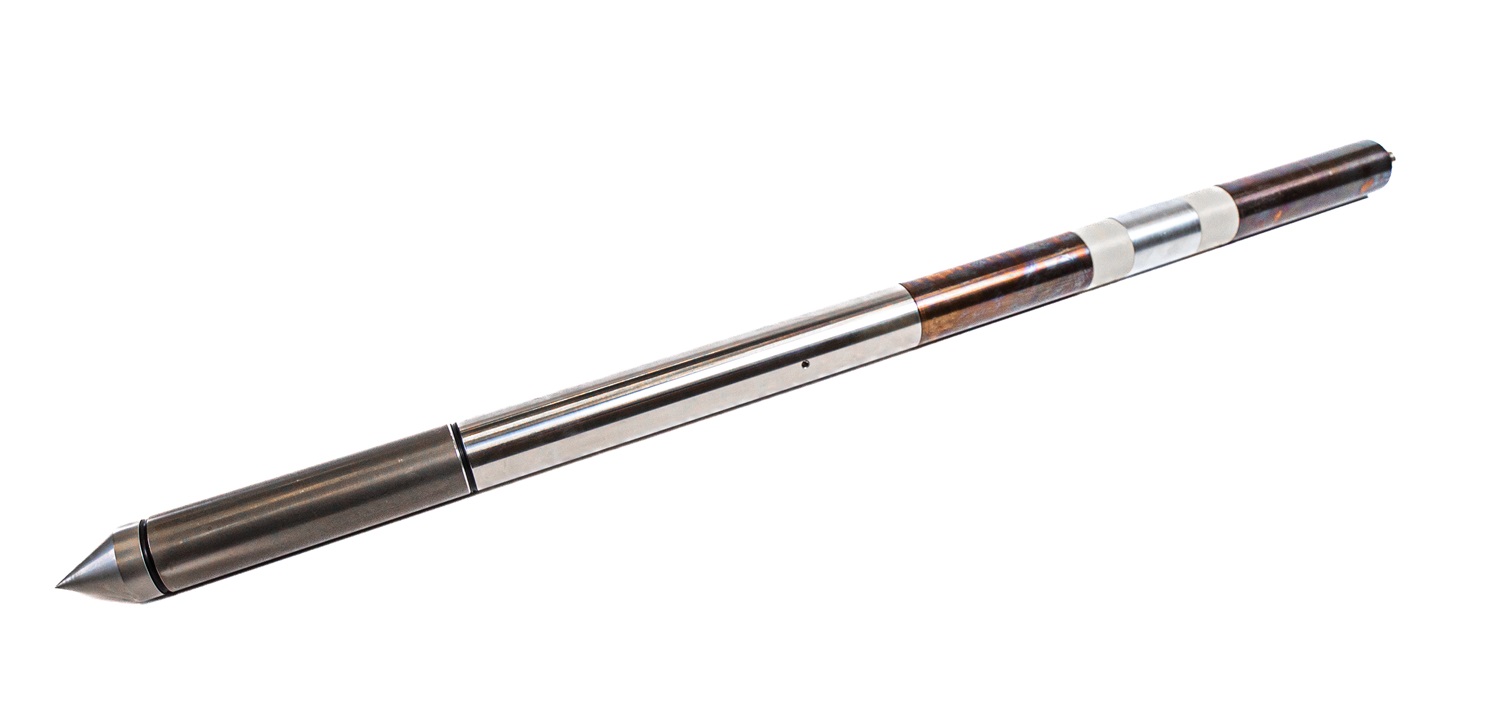
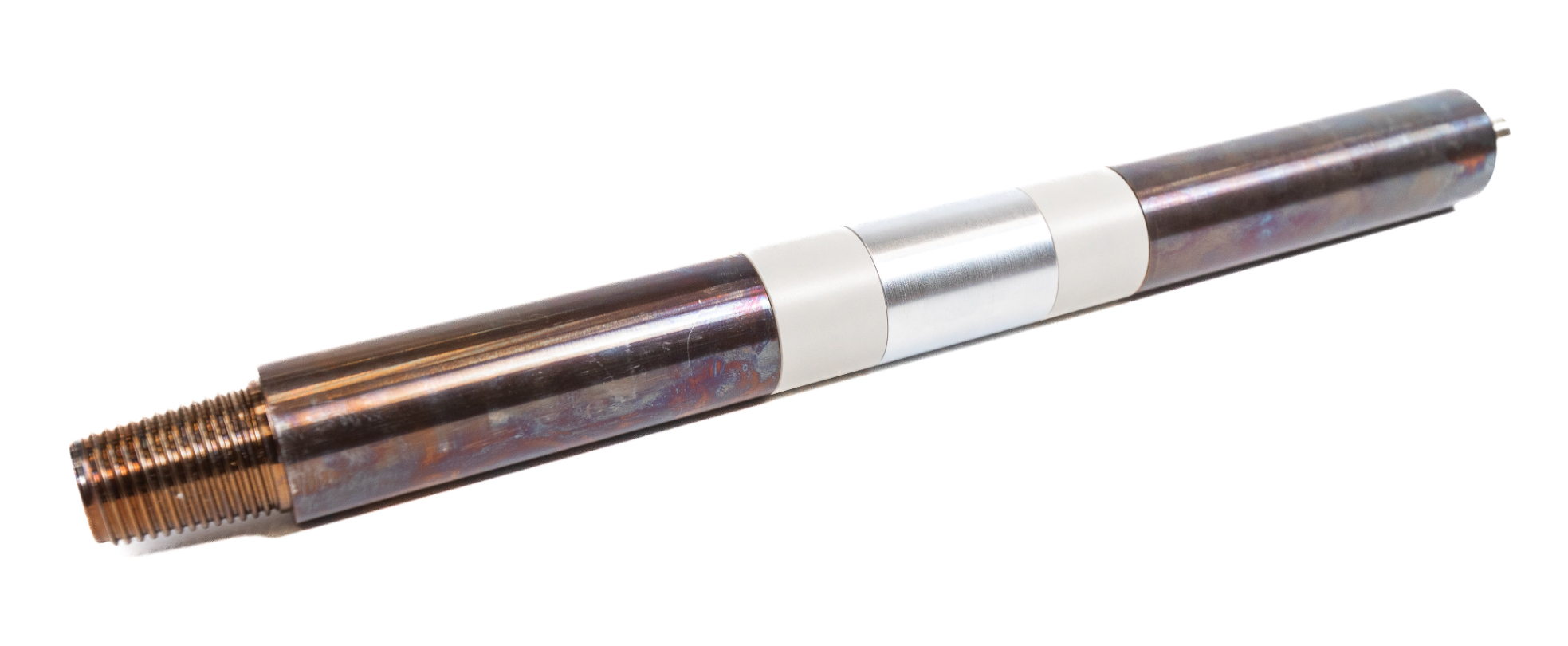
- measure soil thermal conductivity (λ, W/mK) directly in situ
- thermal resistance-sensor based approach
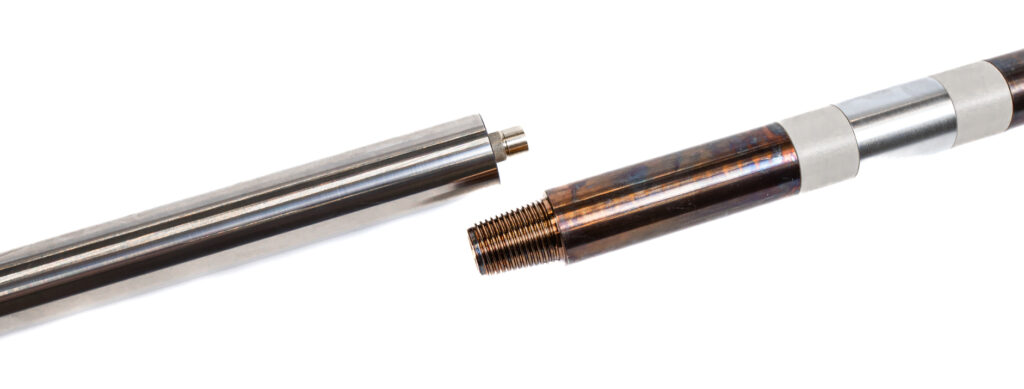
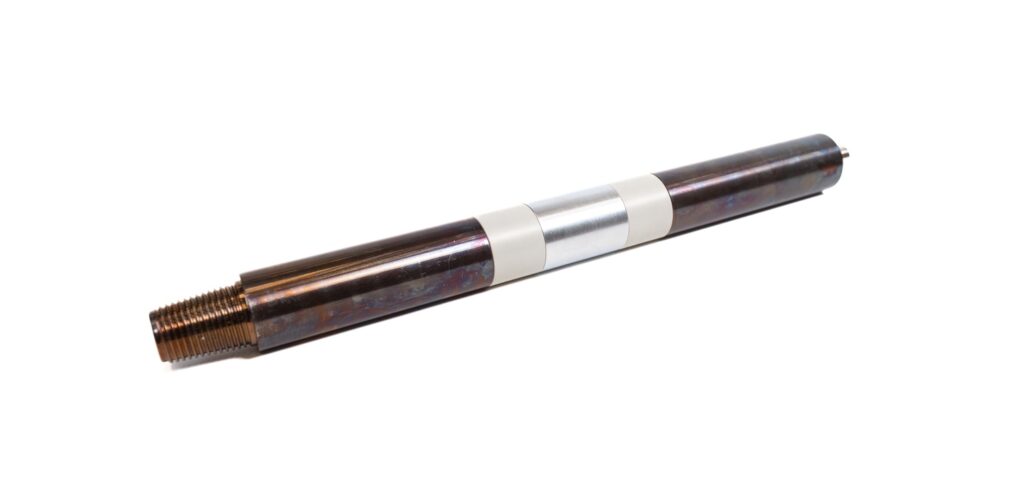
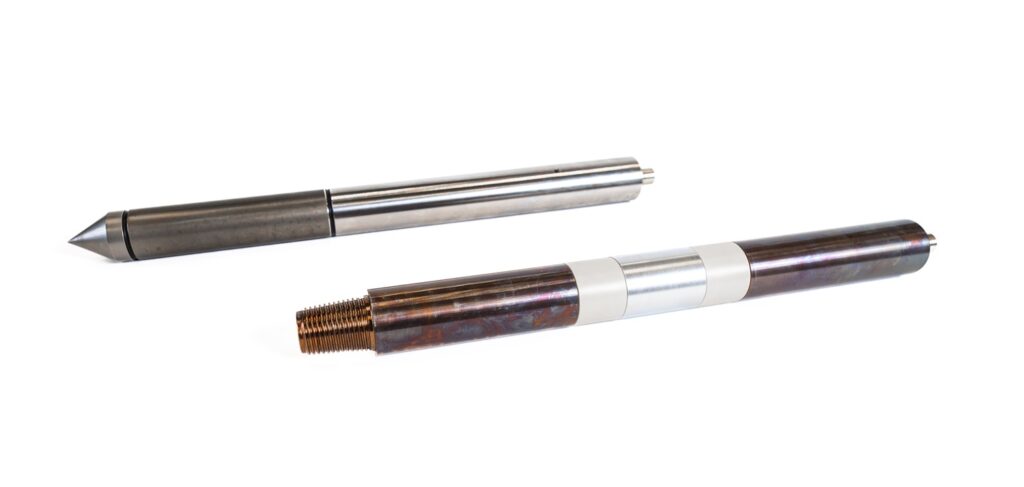
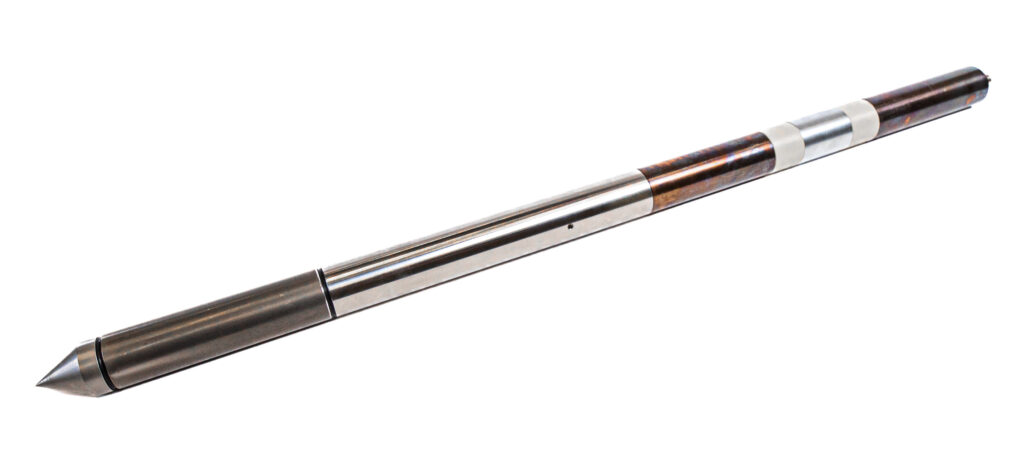
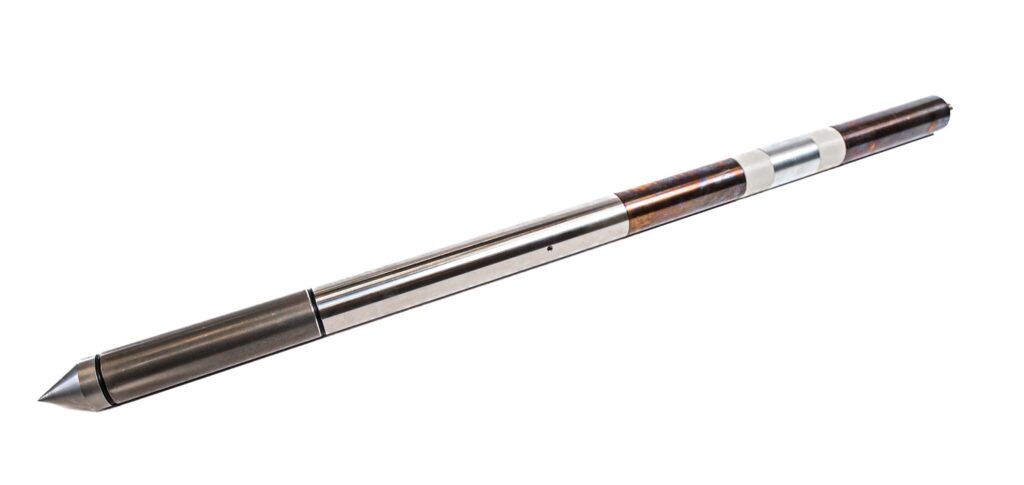
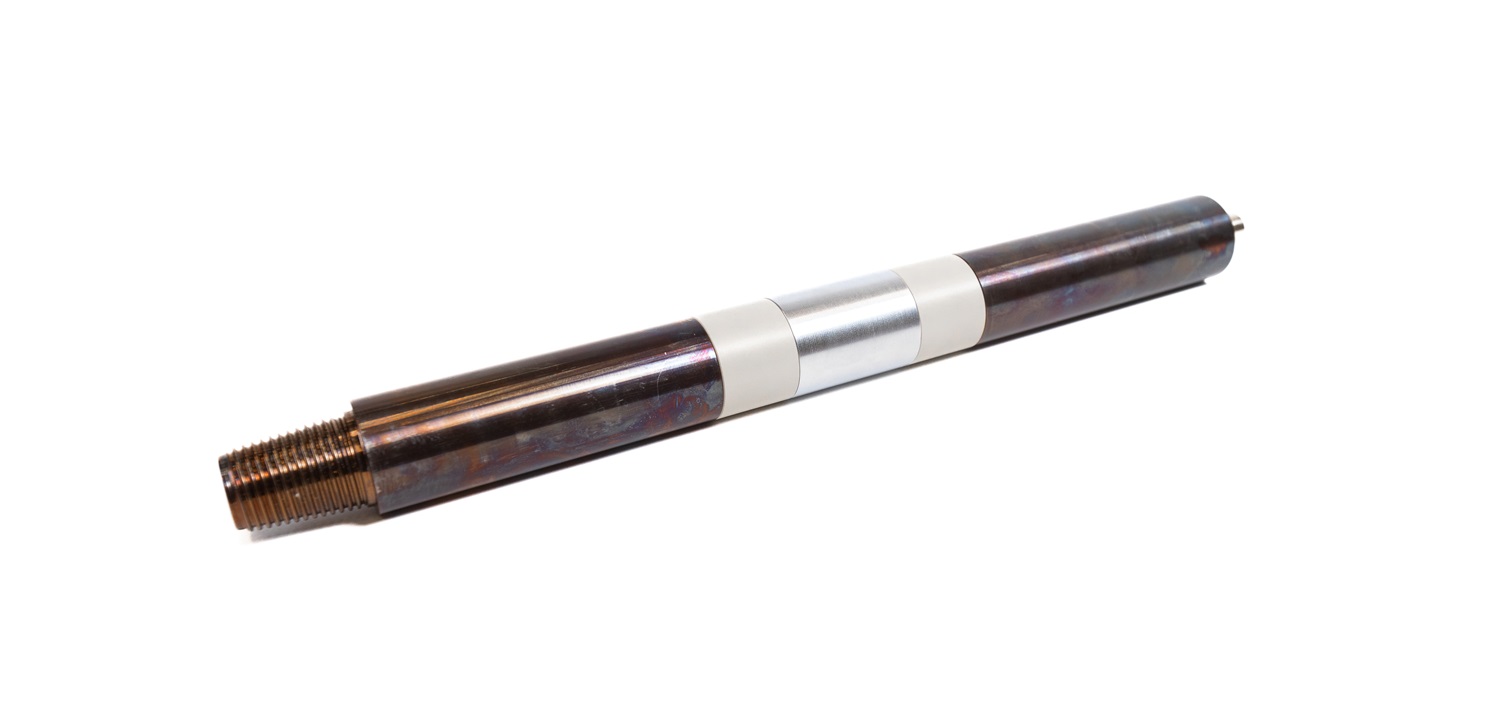
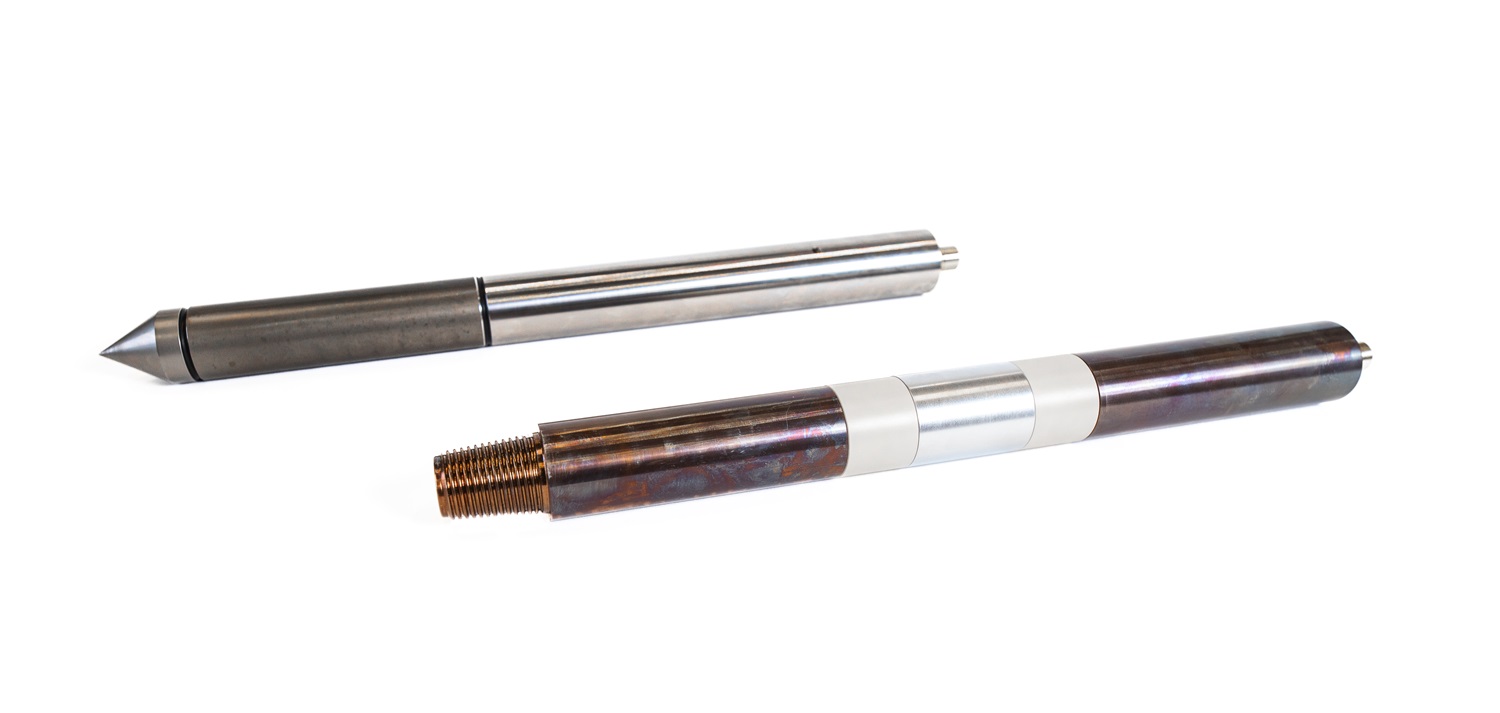
The Icone Thermal Module provides an innovative solution for measuring soil thermal conductivity (λ, W/mK) directly in-situ, saving time, reducing costs, and improving the reliability of results. By eliminating the need for expensive and time-consuming laboratory testing, it also avoids the disturbances associated with traditional soil sampling.
The flow of heat away from buried electric cables and pipelines is directly proportional to the conductivity of the surrounding soil. This is why soil thermal conductivity is important.
The Icone Thermal Module provides an accuracy > 95% at any depth in the soil below 0.5m with a measurement range 0.1 – 4 W/mK. During testing, the module remains stationary to ensure precise results. After penetration, the module is allowed to stabilize, reducing the influence of frictional heating. It is then heated by approximately 3°C (5–10 W) for 1.5–3 minutes, depending on soil conditions. Thermal conductivity is determined during this heating phase, after which penetration can continue. Natural cooling follows as heat dissipates into the surrounding soil, ensuring consistent and repeatable results.
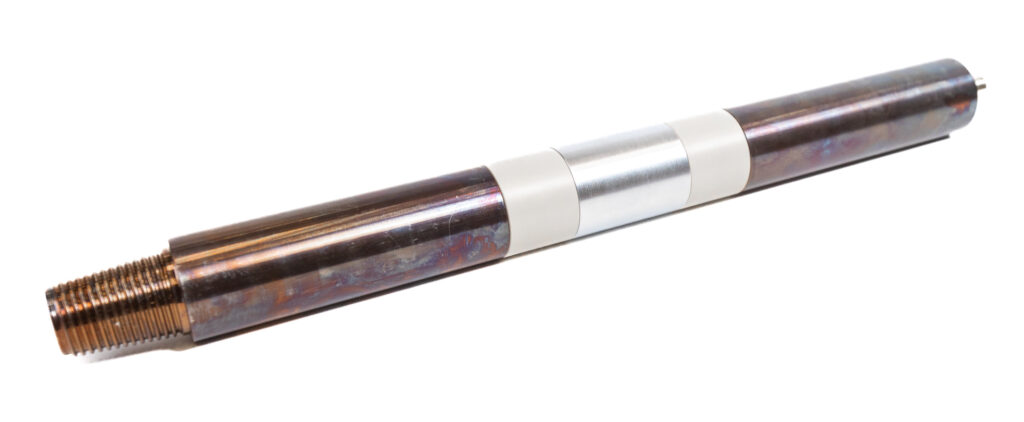
The Icone Thermal Module uses a thermal resistance-sensor based approach, overcoming limitations of traditional methods. By controlling heat flow through a defined thermal gap, it creates a larger, stable measurement window. The resulting temperature difference provides a direct measurement of soil thermal conductivity through system calibration. Under calibrated laboratory conditions, testing demonstrates around 95% accuracy and high repeatability, with Relative Standard Deviation (RSD) values typically below 2.5%, significantly improving reliability compared to conventional techniques.
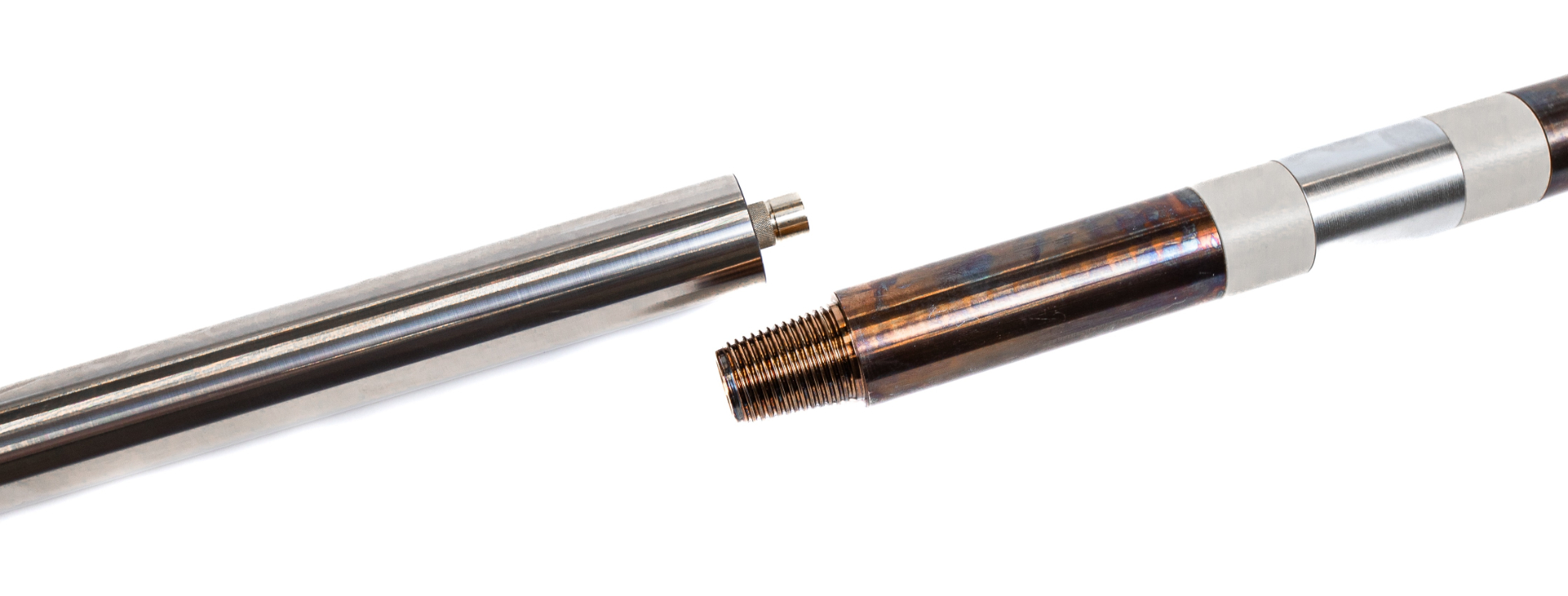
The modular click-on design allows easy integration with other Icone modules, like Seismic, Conductivity and Magneto, enabling multiple datasets to be collected in a single CPT, improving field efficiency.