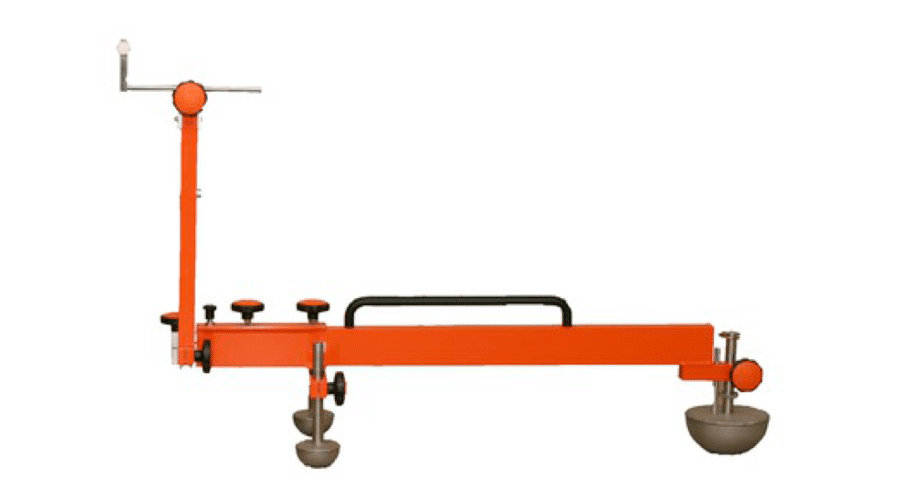
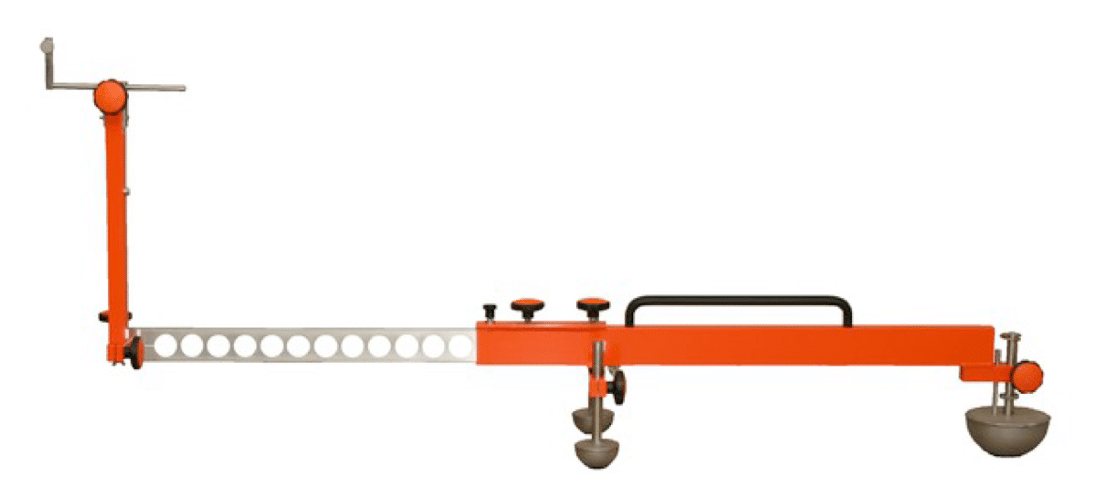
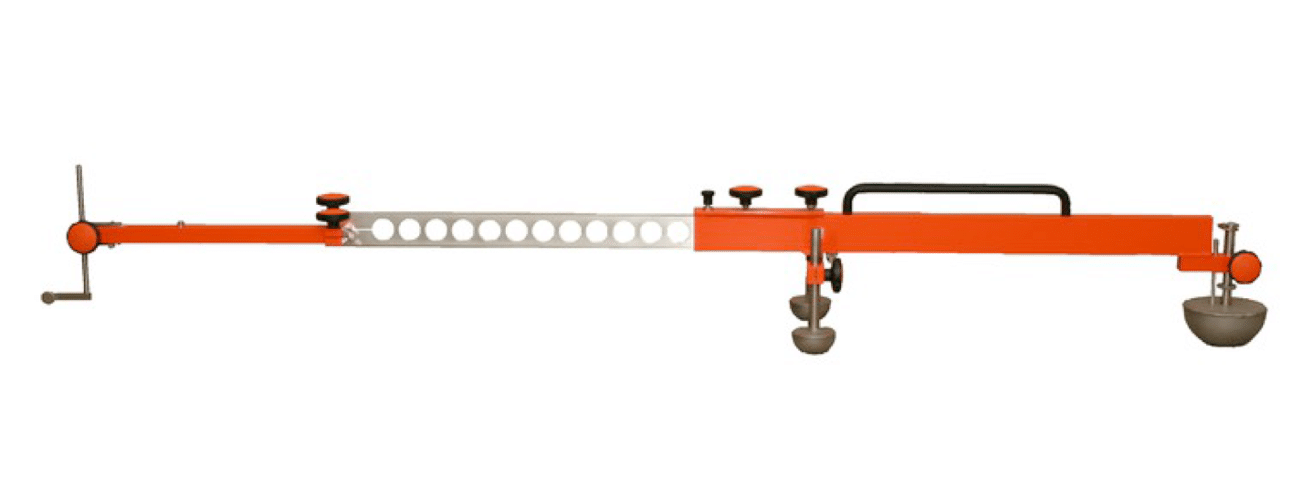
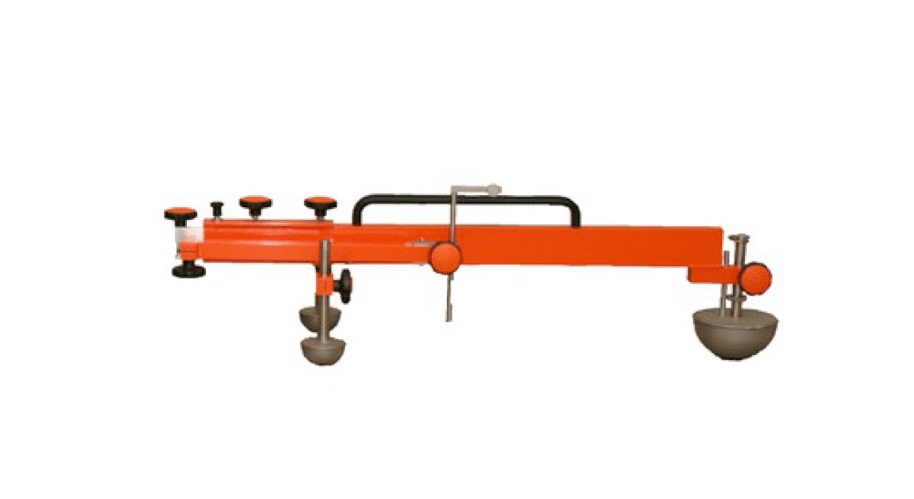
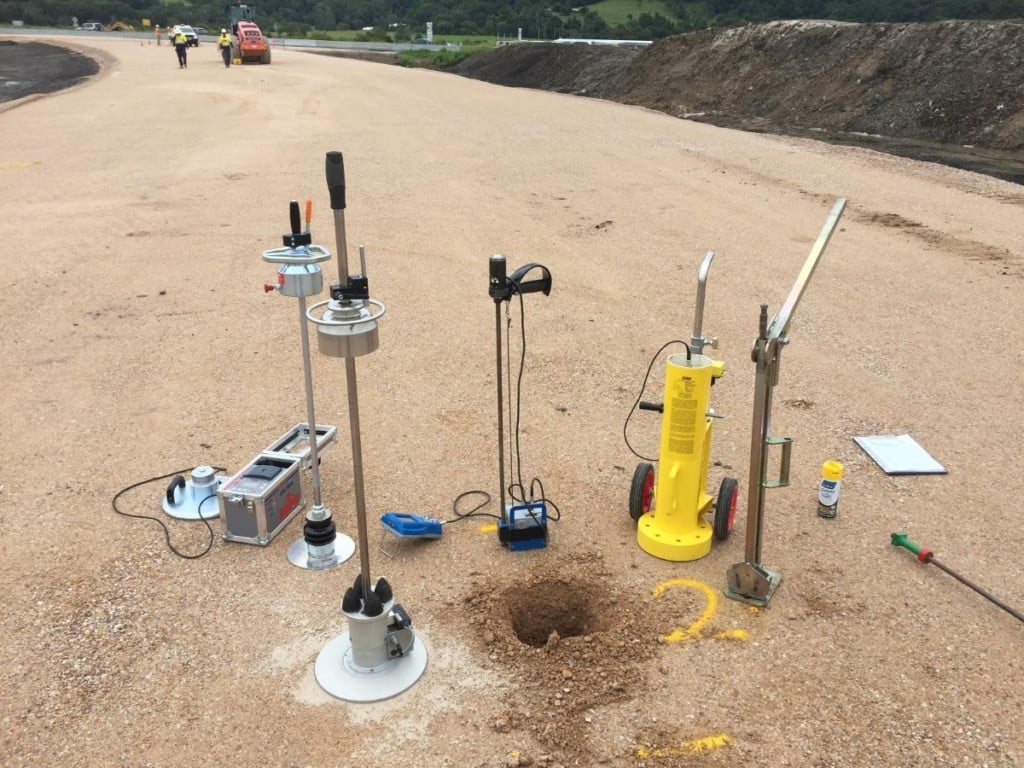
Plate Load Test / Plate Bearing Test

  • Used to determine bearing capacity, likely settlement under load and for compaction control
  • Measures the load-deflection relationship
  • Suitable for pavement, foundation and temporary works platform investigation
  • Immediate repeatable results so that on-site decisions can be made straight away
  • Meets DIN 18134 and ASTM D1195 / ASTM D1196 standards
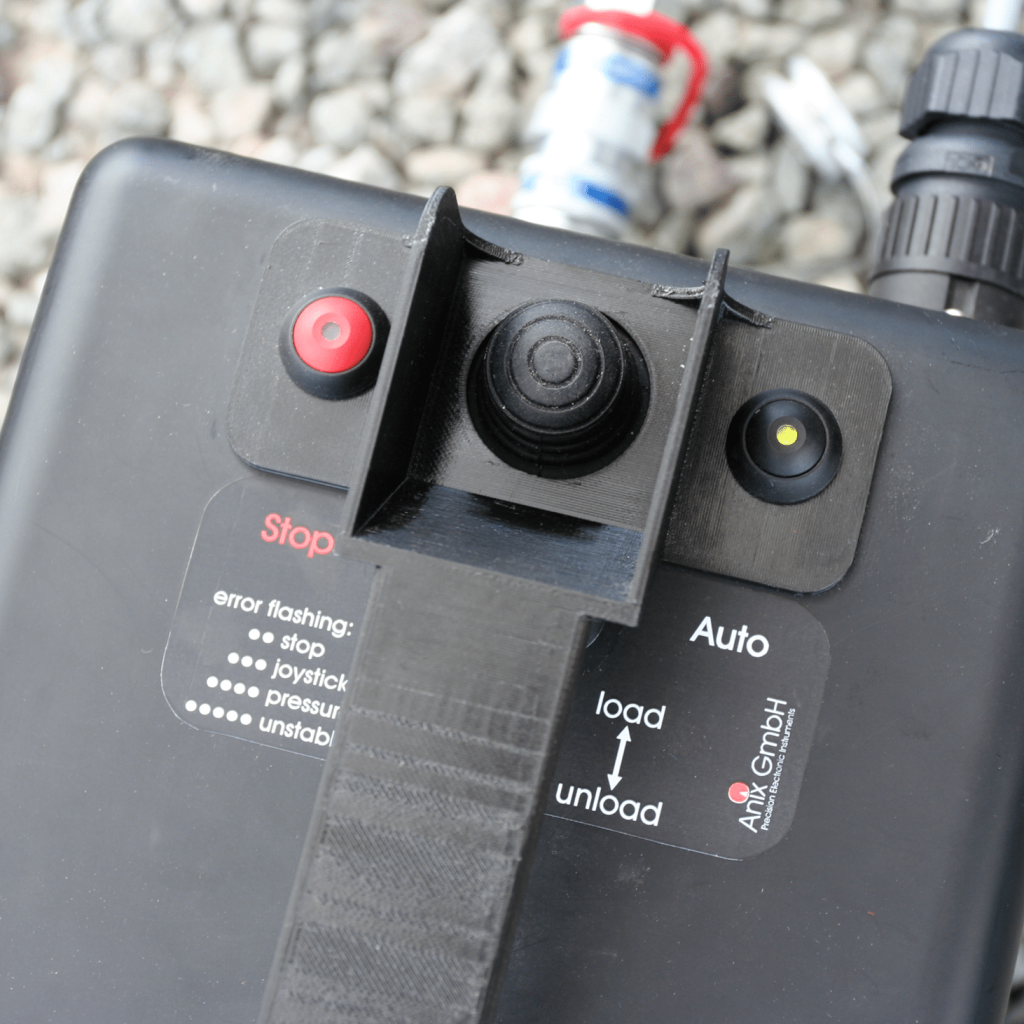
  • Automatic operation – optional – automated Plate Load Test

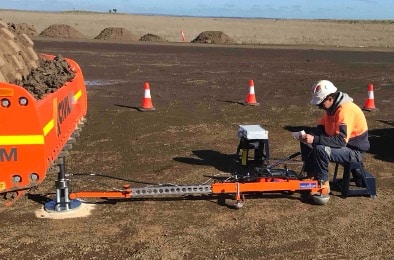
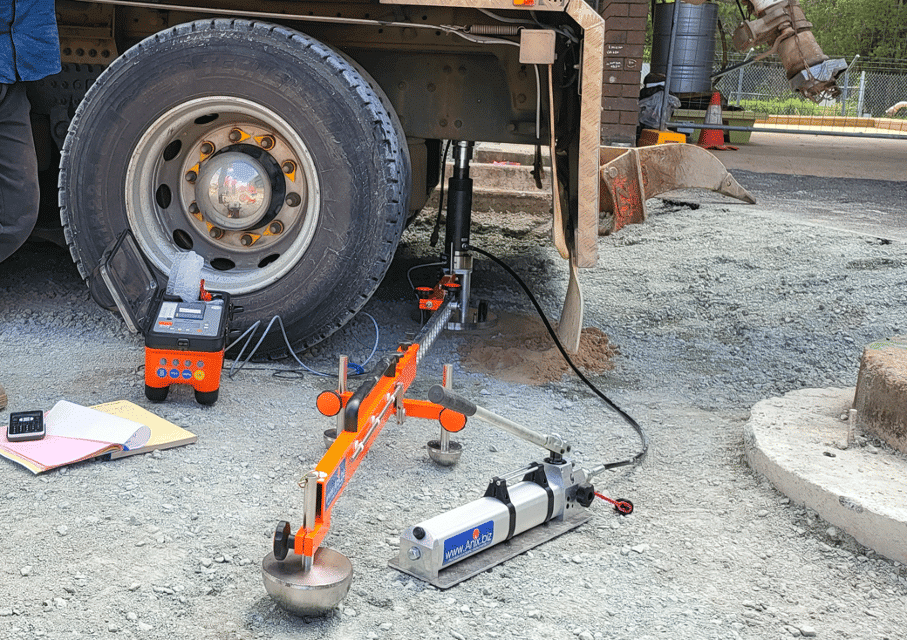
The Plate Load Test (or Plate Bearing Test) is used to determine bearing capacity, likely settlement under load and for compaction control by measuring the load-deflection relationship. The AX01 Plate Load Test enables you to assess:

  • Load-settlement (deflection) curve
  • Strain moduli of the first and the second loading cycle, Ev1 and Ev2 (an indicator for the bearing capacity of the soil under the loading plate)
  • Modulus of subgrade reaction, ks (a measure of the stiffness)
  • Ratio Ev2/Ev1 (a figure for the degree of compaction)

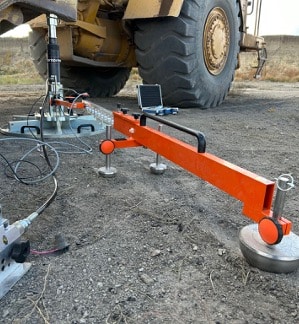
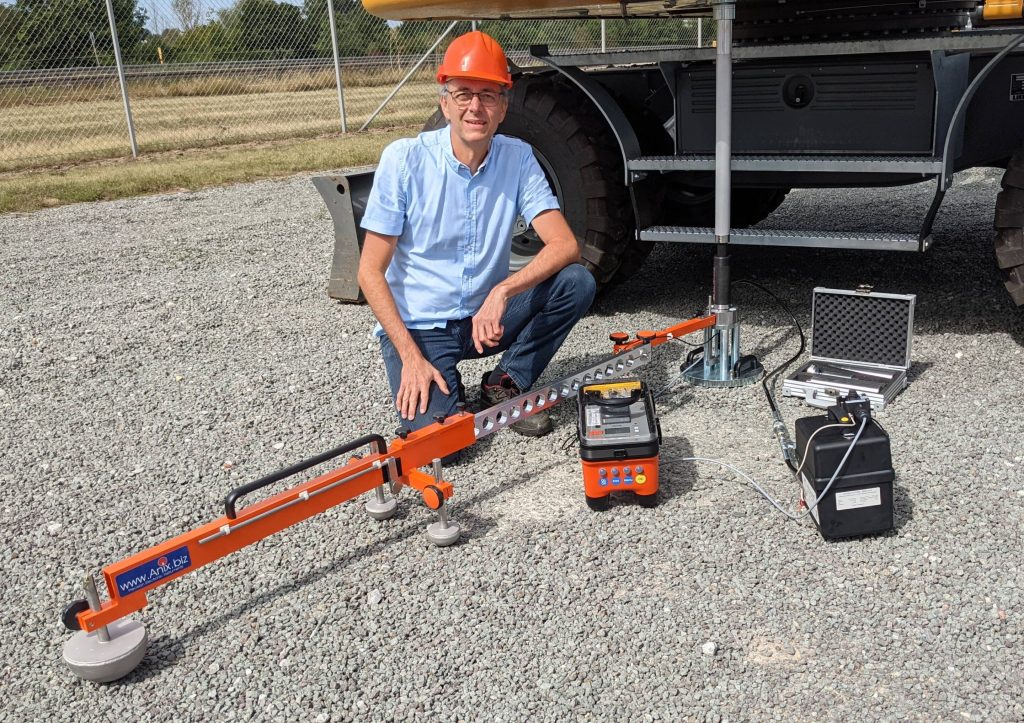
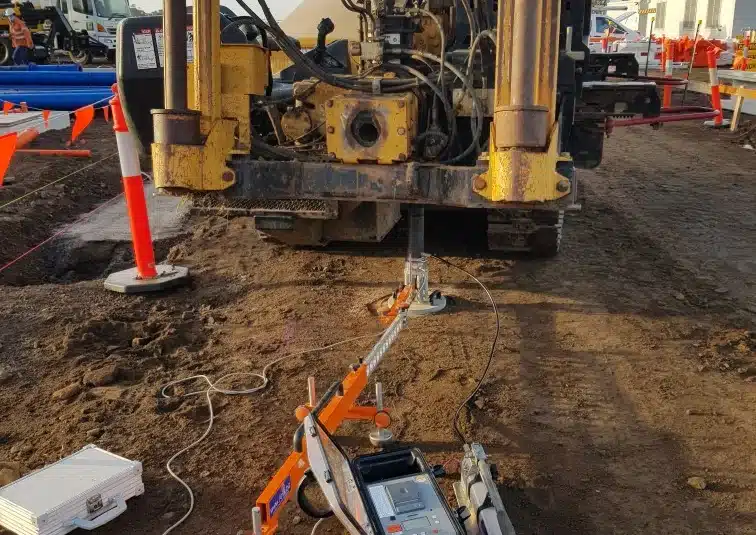
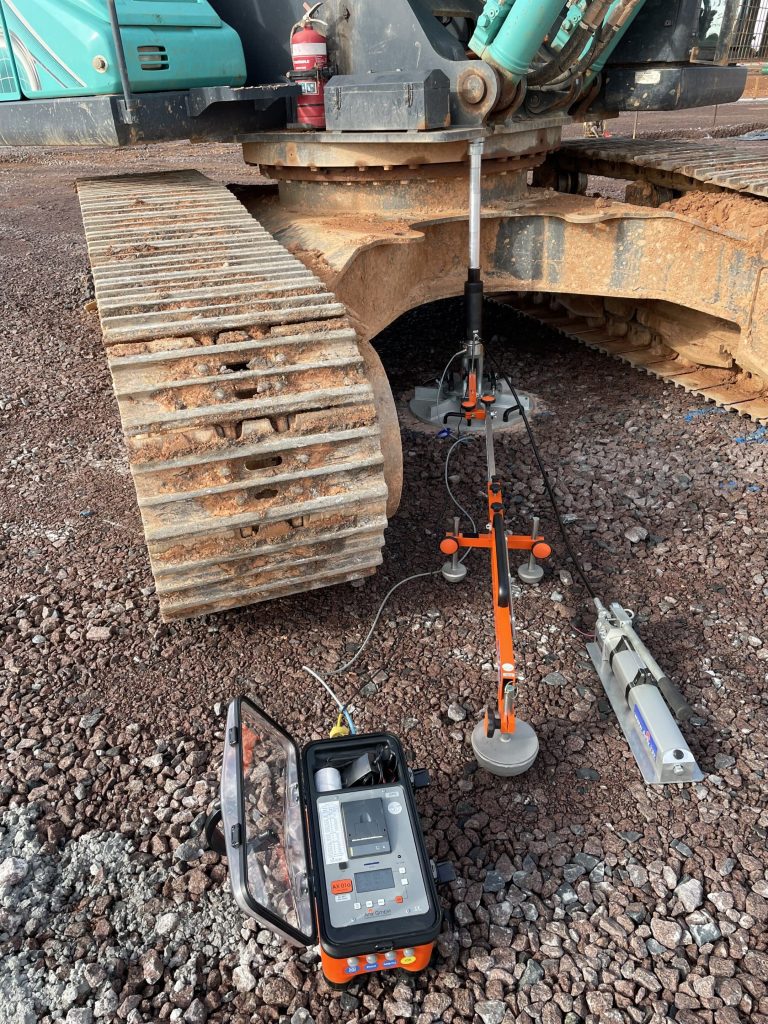
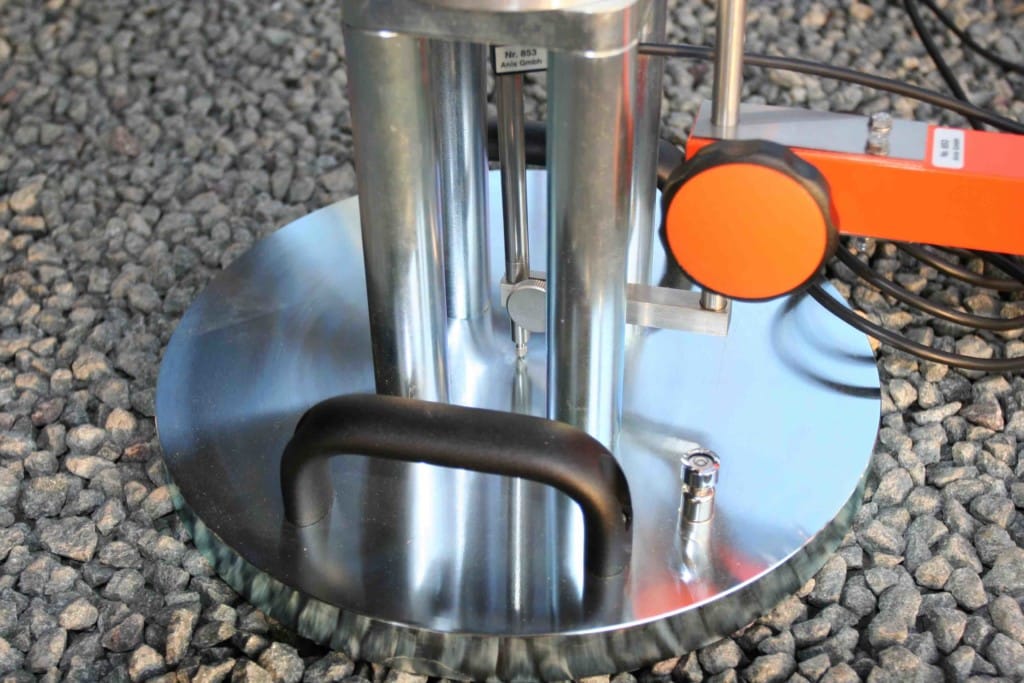
The most important part of Plate Load Testing is the integrity of the displacement measurement. That’s means no plate bending under the maximum applied load (verified), a stable rigid reference beam that is outside the zone of influence of the plate (2x plate diameter) and that doesn’t move during the test, despite the uneven ground conditions, and direct displacement measurement with instruments that don’t move during the test.
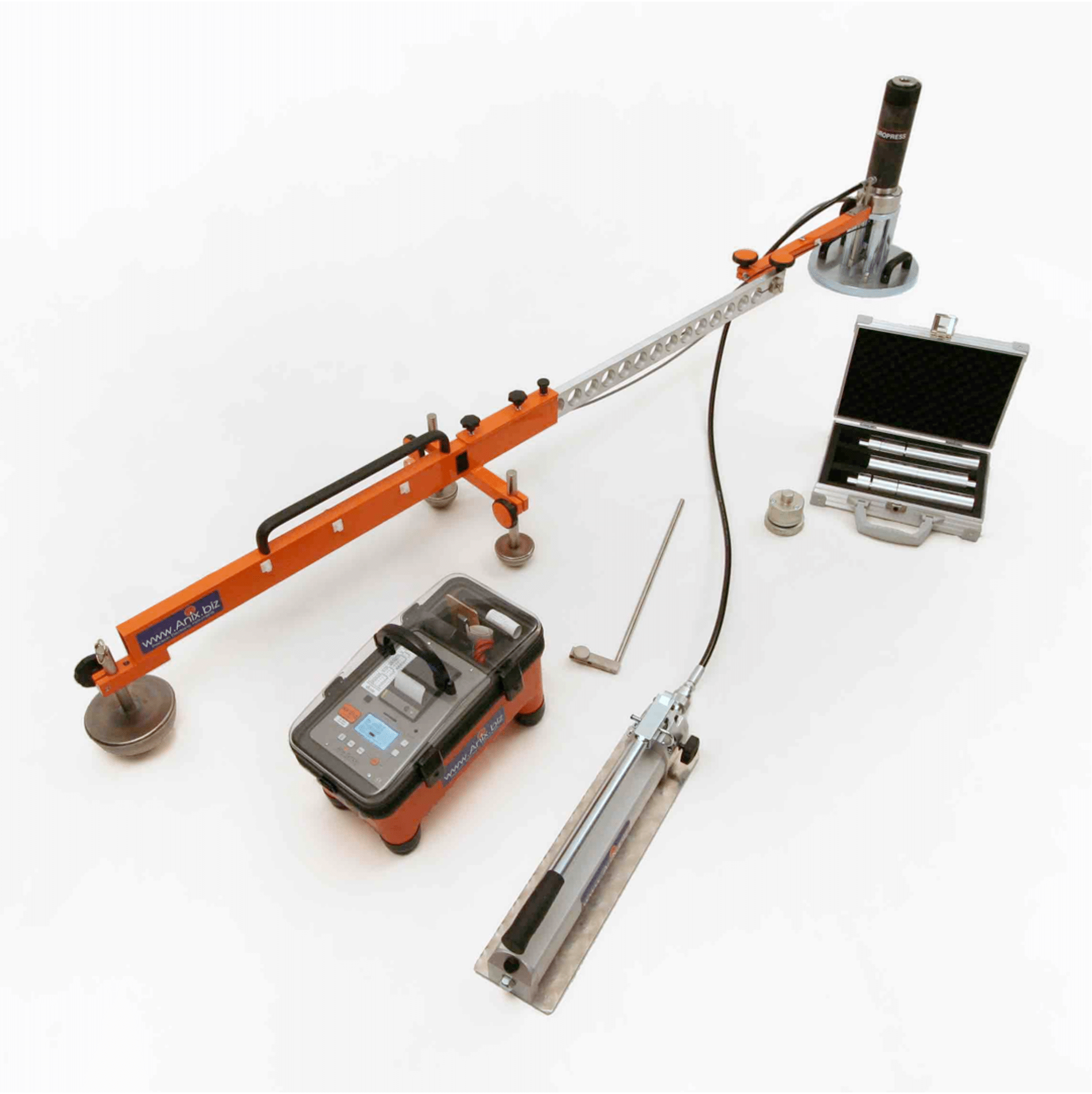
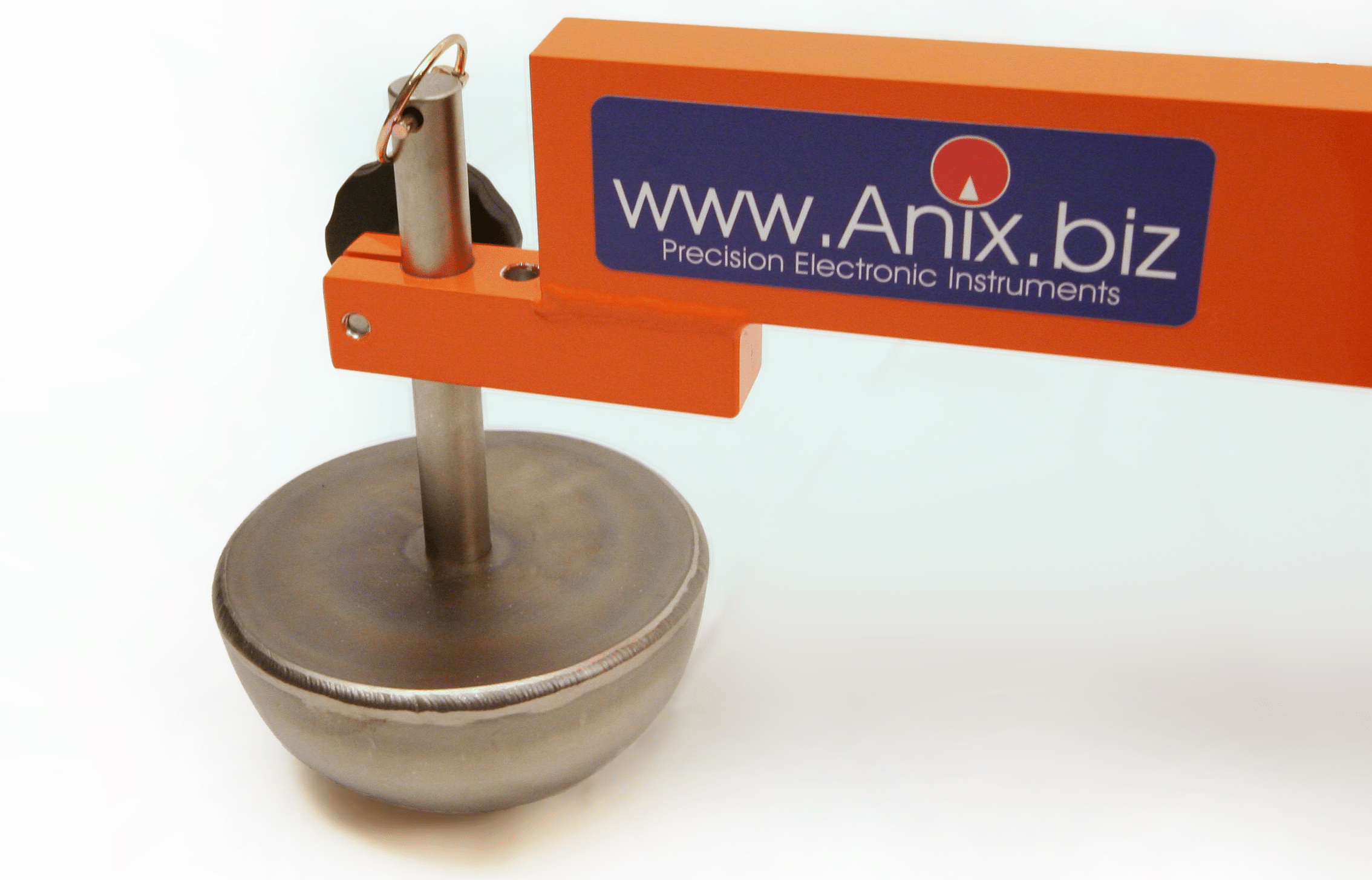
Plate Bearing Test Plate Load Test AX01 PLT New Zealand Australia Plate Load Test DIN 18134 and ASTM 1195 / ASTM 1196
Plate Load Test PLT Reference Beam Anix Load Test DIN 18134 and ASTM 1195 / ASTM 1196 bearing capacity

Bearing Capacity

Using the load-settlement curves for the second loading of the Plate Load Test, allowable and sometimes ultimate bearing capacity values can be determined. Depending on client maximum bearing capacity assessment requirements, the loading and unloading increments can be changed. The AX01 is supplied with a 300mm plate but 600mm and 762mm plates are also available. The zone of influence of the test is double the plate diameter so can be up to 1.5m.




Likely Settlement under Load

Plate Load Testing is used to measure the short term settlement of pavement base, sub base and sub grade materials, temporary works platforms or building footings under their proposed design load. The value of settlement against load is then used to check that the soil meets design load settlement criteria. The test therefore is of use to both contractors and to specifying authorities.


The AX01 Plate Load Test includes the option to change loading hold times, depending on client requirements.


Site characterisation is unarguably the most important, but also most “difficult”, component of geo-engineering. The AX01 Plate Load Test is designed to improve the quality of site characterisation and reduce the difficulties involved. The Plate Load Test is regarded as the ‘gold standard’ of surface based in situ assessments.

The AX01 Plate Load Test from Anix GmbH is designed according to DIN 18134: 2012-04 and meets ASTM D1195 Standard Test Method for Repetitive Static Plate Tests of Soils and Flexible Pavement Components for Use in Evaluation and Design of Airport and Highway Pavements / ASTM D1196 Standard Test Method for Nonrepetitive Static Plate Tests of Soils and Flexible Pavement Components for Use in Evaluation and Design of Airport and Highway Pavements.

Compaction Control

The Plate Bearing Test measures a series of deflections (for a range of applied bearing pressures) and calculates a static modulus value for each of the loading cycles (Ev1 and Ev2). Modulus is the most accurate and independent means for judging deformation (stiffness) and, thus, a material’s level of compaction. The ratio Ev2/Ev1 is an indicator of the degree of compaction.

By measuring the modulus value, Plate Load Testing provides the link between the design specification (typically resilient modulus Mr) and the actual site condition (in-situ static deformation modulus values Ev1 and Ev2).

Plate Load Testing allows you to verify and quantify the modulus parameter improvement due to placing geogrid reinforcement and stabilisation additives.

Check out the latest research on alternatives to the traditional density approach to compaction.

Advantages

The advantages of the AX01 Plate Load Test include:

  • Measuring actual foundation performance:
    • Reduce construction risk as design assumptions / parameters are directly validated
    • Increase certainty of design assumptions (reduces the risk of over design and under design)
    • Potential to refine design parameters based on on-site measurements – potentially reducing capital cost
    • Option to change loading hold times, depending on client requirements
    • Option to change loading and unloading increments, depending on client requirements
  • Faster
    • Short operation time (approx 25-30 mins per test including setup, test & results graphing), rather than 2-4 hours just to setup and do the test plus data analysis adding significant additional time
    • Provides immediate results so that on-site decisions can be made straight away.
  • Cost effective
    • One person operation
    • Automatic operation – optional
  • Improved safety
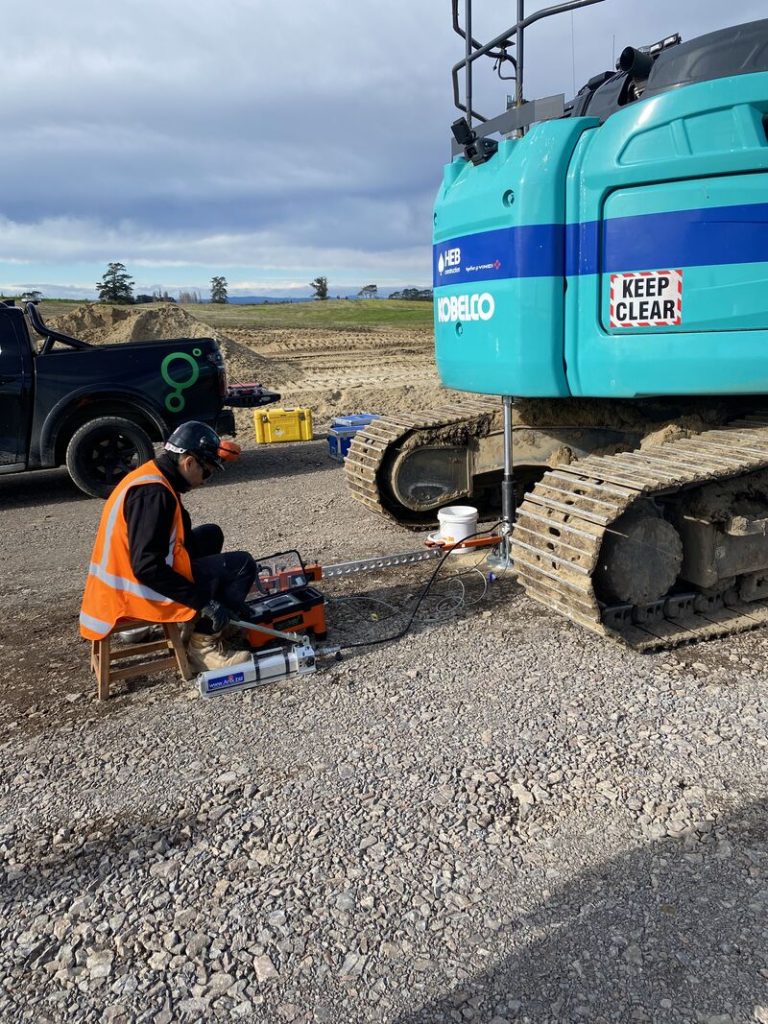
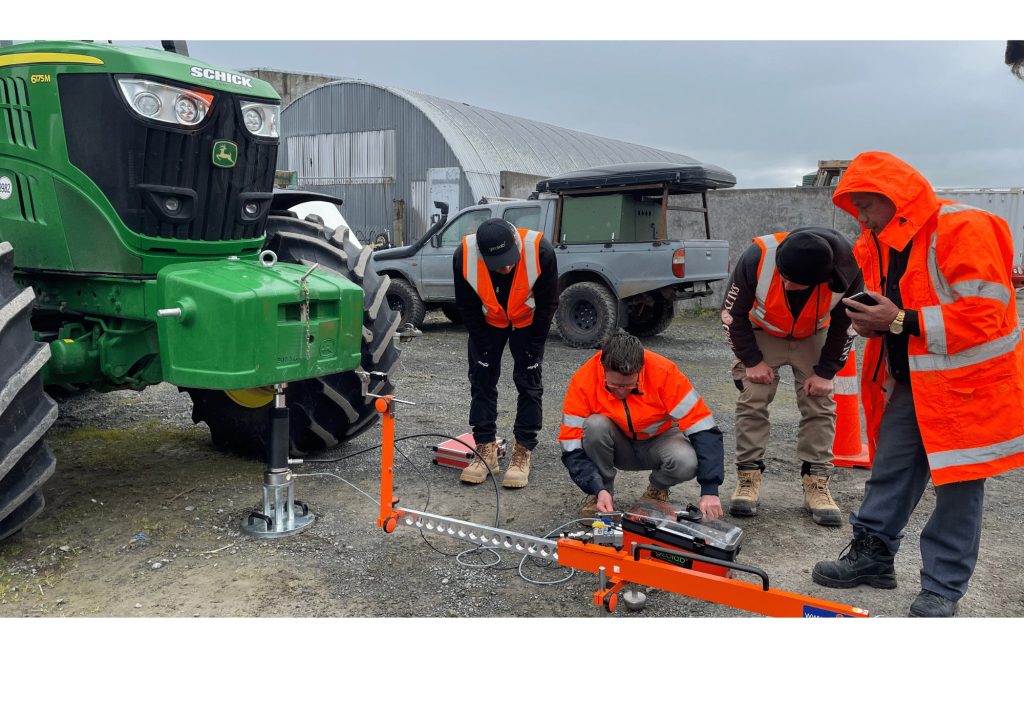
    • Safe operation as operator away from the counterweight and does not read dial gauges and record results whilst under the counterweight
  • Accurate and Repeatable
    • Results directly reflect in situ site conditions by providing ‘composite’ values that integrate moisture content, density, structure and material variation within the near surface at the time of the test
  • Non destructive
    • Surface based test, removing the need for any penetration permits
  • Without errors
    • No further data analysis or calculations required – data is analysed electronically on the spot, saving significant time
    • No further data analysis or calculations required – data is analysed electronically on the spot, saving significant time
    • Equipment is instrumented (data is automatically and accurately recorded)
  • Improved data flow and integrity
    • Results are machine produced (overcoming manual data recording, transposition or calculation errors and fictitious results)
    • GPS located and time stamped – know where and when every test is done
  • Visually presented results
    • Graphical representation of the data on the electronic box
Plate Load Test PLT Reference Beam Anix DIN 18134 and ASTM 1195 / ASTM 1196 bearing capacity
Plate-Load-Test-AX01-Loadplate
Plate Load Test AX01 Electronic Box Data Capture DIN 18134 and ASTM 1195 / ASTM 1196 bearing capacity
Plate Load Test PLT Reference Beam Anix DIN 18134 and ASTM 1195 / ASTM 1196 bearing capacity

Applications

Applications for this non destructive plate bearing test method for measuring bearing capacity and compaction control include flexible pavements, unsealed roads and mine access roads, tunnels, railway track beds, airport runway and taxiways, hard standing areas, wind farms, temporary works platforms, building foundations, pipe laying and tank farms.

For example, the Plate Load Test is used to determine whether the ground has sufficient bearing capacity to support a given structure such as temporary pads for crane outriggers or piling rigs. It is very useful for mobile crane operators and piling rig contractors to check potential settlement of crane pads or mats under full load before the mobile crane or piling rig is sited or when traversing the site. The results of a Plate Load Test will enable you to calculate the size of outrigger spreader plates or mats required, and the ground movement that can be expected.

We also have clients who require bearing capacity data but no penetration is allowed because of services e.g. on railway trackbeds.

Clients include those involved in pavement construction, pavement rehabilitation, material testing, geotechnical testing and site investigation and include road authorities, councils, asset managers, mines, engineering and construction groups, mobile crane operators and piling rig contractors, geotechnical consultancies and research organisations.

Plate-Load-Test-results-Excel-software-Ev1-Ev2-AX01-Anix-load-deflection-test

Plate Load Test (PLT) Calibration, Service and Spare Parts

Insitutek are proud to represent Anix GmbH AX01 Plate Load Test (PLT) equipment in Australia, New Zealand and the Pacific Islands and provide a very high level of client support.

We offer a complete spectrum of services including after-sale technical support, servicing, repairs, and calibrations. Our service centre is also well stocked with spare parts and consumables.

To find out more, Contact Us

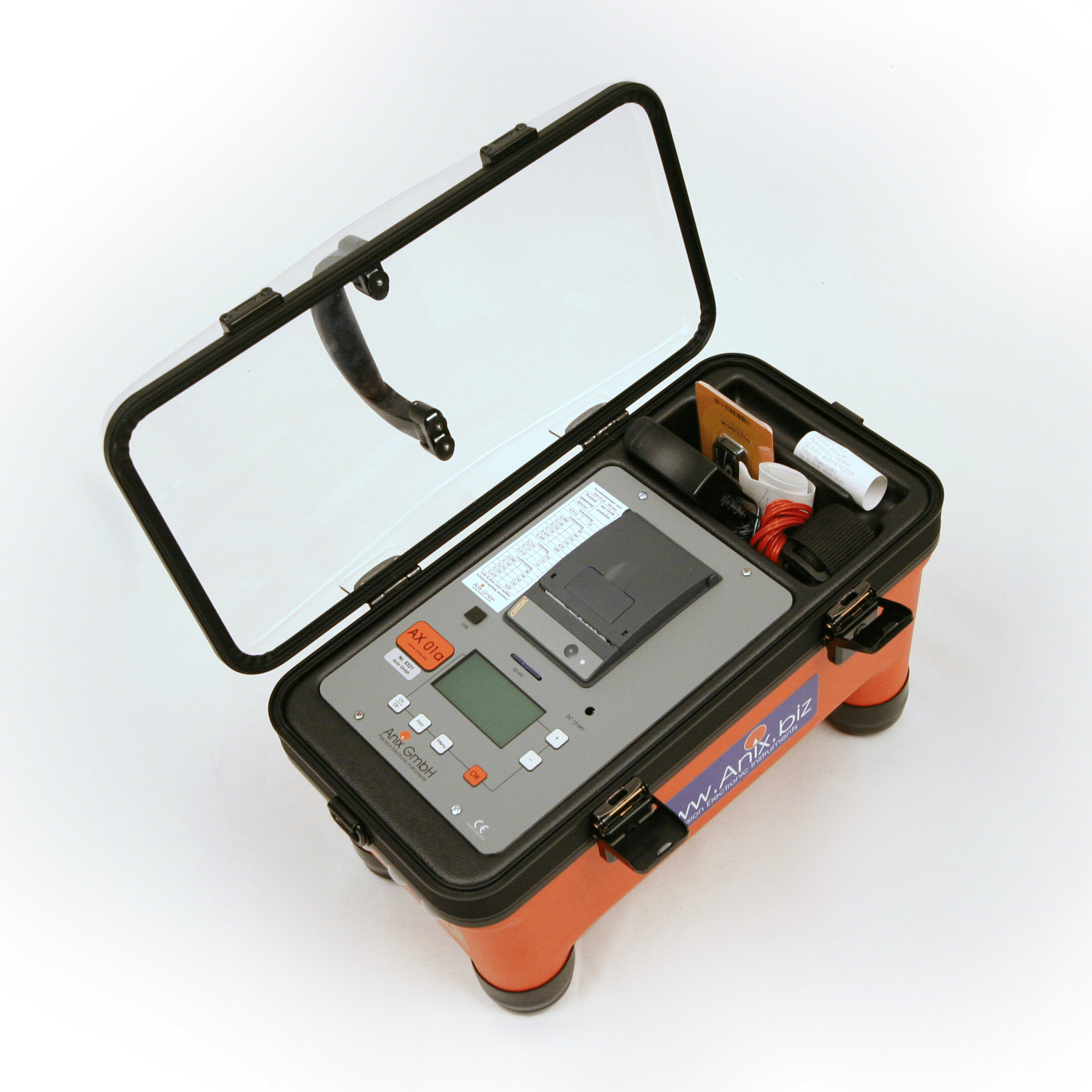
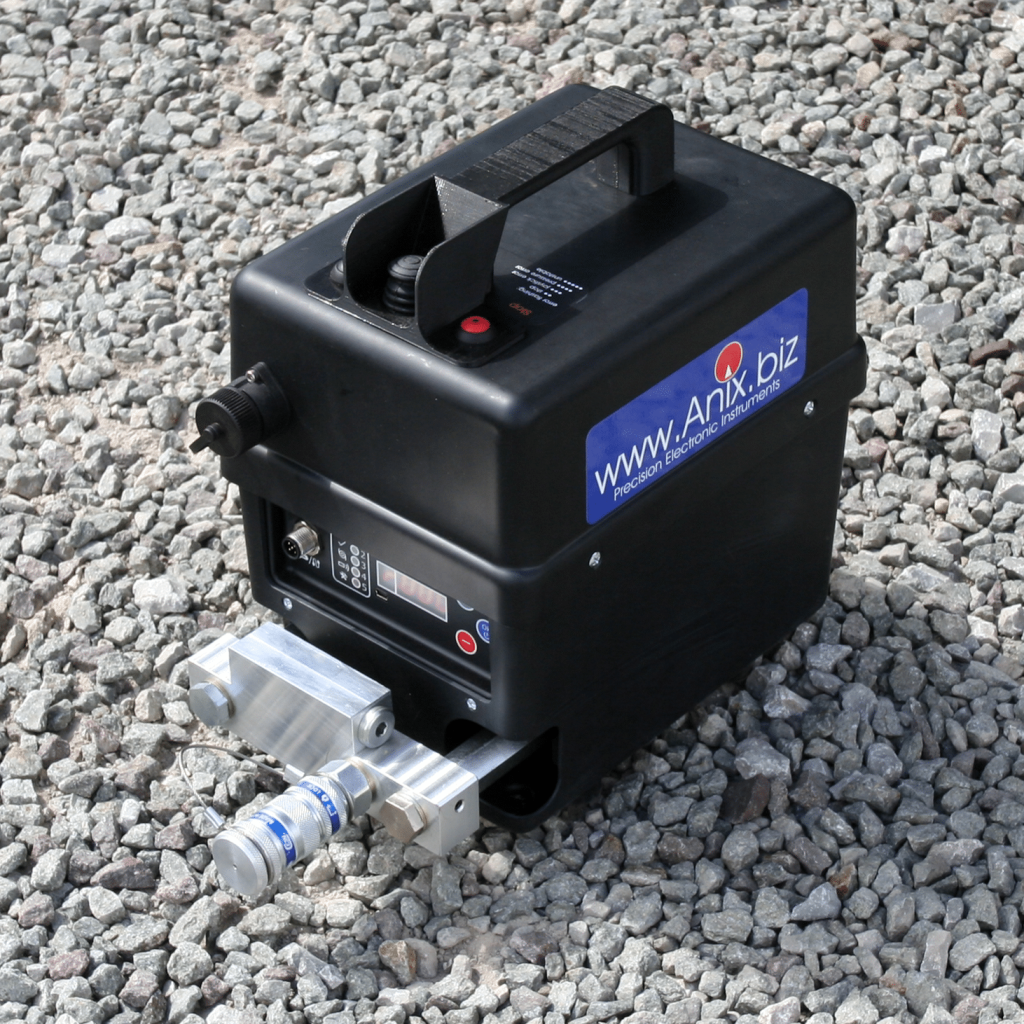
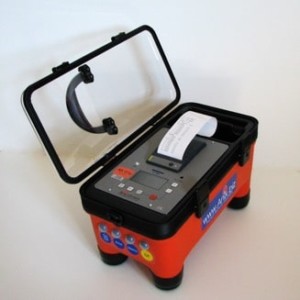
Plate Load Test electronic box Ev1 Ev2 AX01 Anix load deflection testThe Plate Load Test AX01 is the simple solution to determine the strain moduli Ev2 and Ev1 (a figure for the bearing capacity) and the ratio Ev2/Ev1 (a figure for the compaction level). The modulus is an indicator for the bearing capacity of the soil or flexible pavement under the loading plate.

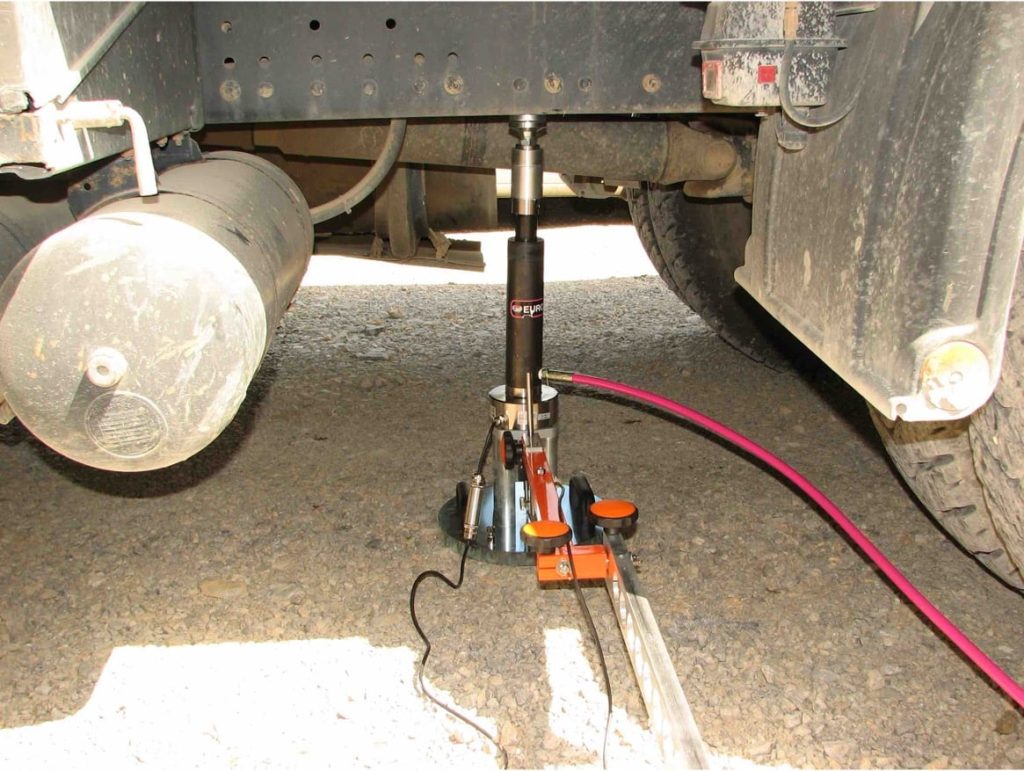
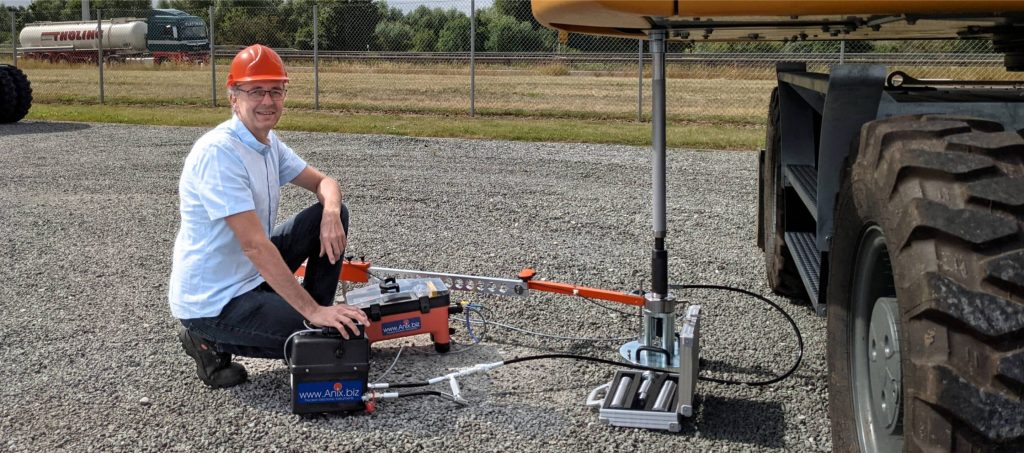
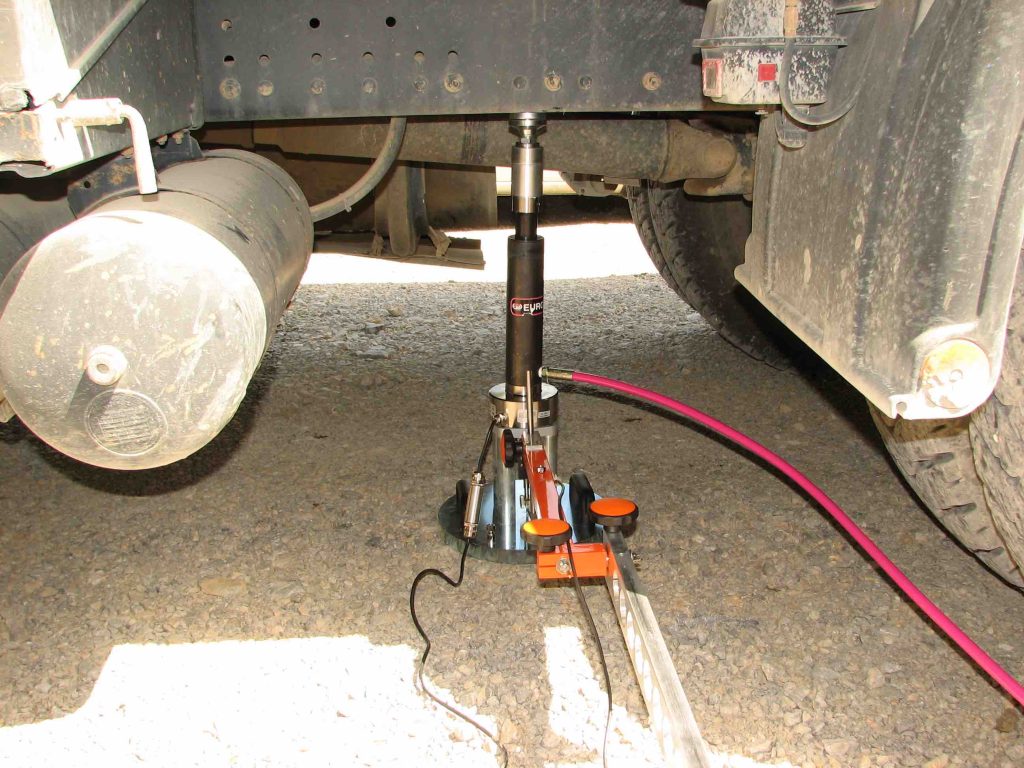
For the test, the soil is loaded and unloaded in fixed steps using a circular loading plate and a hydraulic loading device.

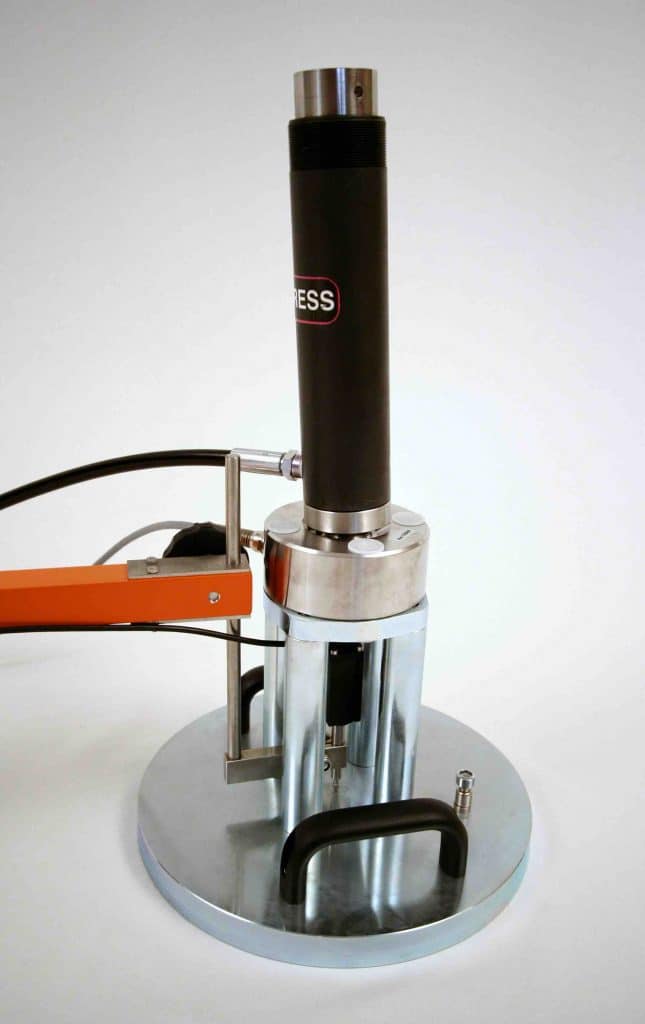
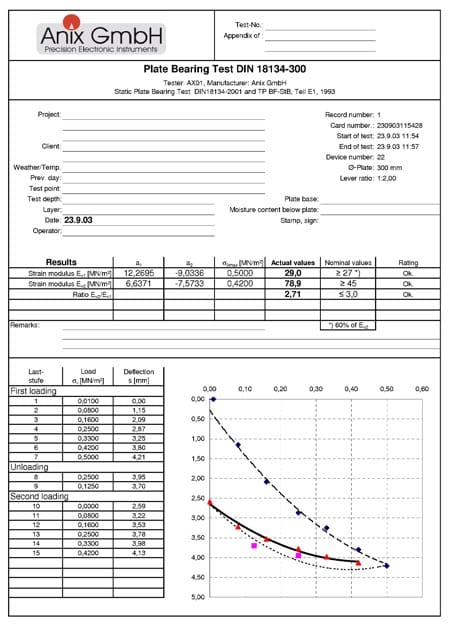
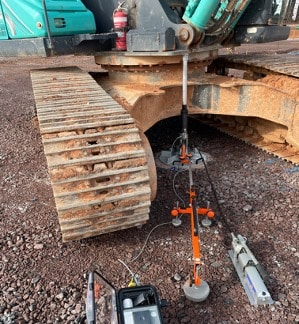
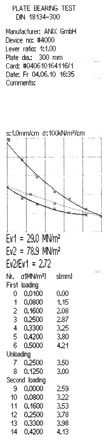
Plate Load Test results protocol Ev1 Ev2The load plate is loaded by a hydraulic jack and it’s settlement is measured at increasing load increments. During two loading cycles, different loads will be applied in steps to the loading plate using a hydraulic hand pump. For each loading step, the corresponding settlement (deflection) of the plate is recorded. The device is equipped with an electrical force sensor to record the load and an inductive displacement gauge to determine the deflection.

A graph is then plotted of settlement against bearing pressure and will show settlement at any given load. This information is used to calculate the Modulus of Subgrade Reaction, a measure of the stiffness of the subgrade known as the K value. It is expressed as load per unit area per unit of settlement e.g. KN/m2/mm or KPa/mm.

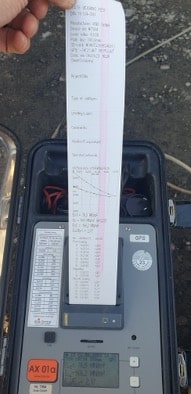
The results of the test are evaluated immediately, shown at the display, and printed with the built-in thermo printer at the road-works. The test results can also be stored on a memory chipcard. Using a chipcard reader, the results can be transferred into an MS Excel sheet on a Windows-PC for further analysis.

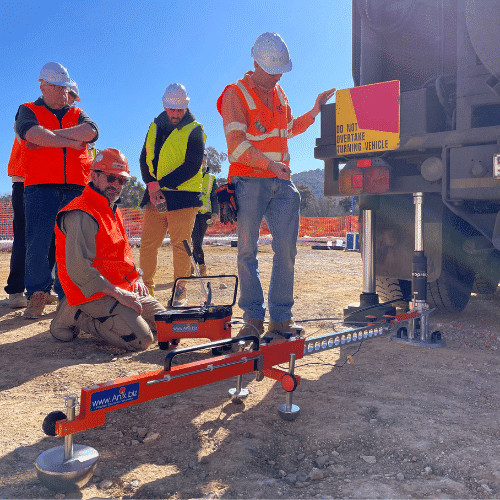
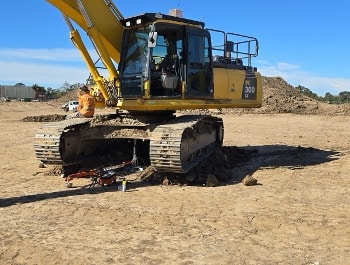
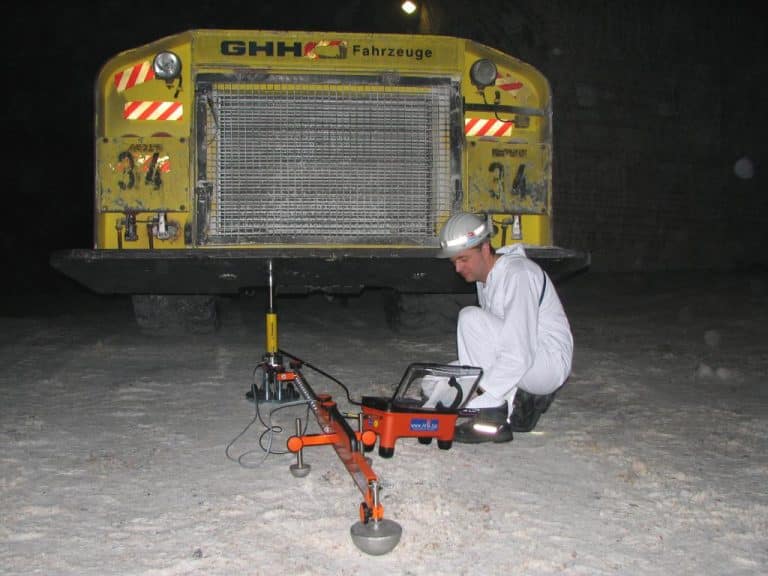
In order to perform this test, it is important to have sufficient kentledge to jack against. The counter weight could be equipment you have on site such as an excavator, roller or a truck loaded with material. The choice of plate size depends upon the required bearing pressure, depth of influence required and the available kentledge.

The AX01 Plate Load Test comes with a 300mm load plate as standard but 600mm and 762mm load plates are available. The equipment comes with a 20T hydraulic jack but a 10T jack option is also available. The maximum bearing capacities are as follows:

Plate Load Test Ax01 Maximum Bearing Capacity

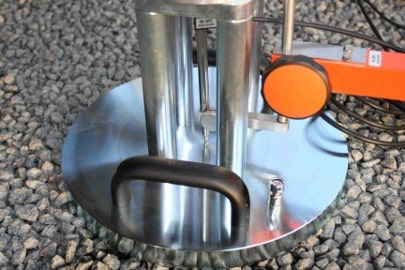
Plate Bearing Test Load Plate & Displacement Sensor Detail AX01 Anix

Static Plate Load Test / Plate Bearing Test AX01
NACOE Advanced methods for compaction quality control 2018
-
Using the Plate Load Test to Estimate Soil Modulus and Friction Angle for Temporary Gravel Platforms in New Zealand - Barounis & Philpot - Oct 2025

Using the Plate Load Test to Estimate Soil Modulus and Friction Angle for Temporary Gravel Platforms in New Zealand - Barounis & Philpot - Oct 2025

Categories: Research Papers

Published: 24/10/2025

The plate load test can be used to estimate the vertical soil modulus Ev and the angle of friction φ for temporary working platforms and gravel rafts. This paper presents the results of plate load tests that have been undertaken on seven different sites across New Zealand. The paper discusses how to execute the test and interpret Ev and φ parameters when applying the DIN 18134 standard testing methodology. The paper provides some guidance on the correct interpretation of results in relation to the NZGS Specification NZGS_0510 Earthworks, dated 15/02/2024, Version 1.0 - Final.

The paper presents the estimated friction angle using the Corke et al. (2021) method along with five other methods and compares them with the associated Ev values. The results are discussed, with emphasis on the main conclusion, which is that the Ev values do not align with the estimated friction angles. The results indicate the paradox that it is very probable to estimate acceptably high friction angles accompanied by unacceptably low Ev values when tested to 500kPa as per DIN. The paper discusses the significance of this finding and the possible causes for this incompatibility.

The paper also provides awareness of this incompatibility to designers of temporary works and gravel rafts, which is relevant for the safe performance of temporary gravel platforms and the long-term performance of gravel rafts beneath shallow foundations. It is recommended that any gravel raft platform designer should conduct plate load tests and focus on both the stiffness and capacity results.

Finally, a new hybrid plate load test (PLT) procedure is proposed where a pressure of 1400kPa is exerted upon a 300mm (12in) plate in 14 stages, measuring Ev1 and Ev2 as per the German DIN standard (EFFC/DFI, 2025).

Keywords: Plate Load Test

How to determine Modulus of Subgrade Reaction ks using the Light Weight Deflectometer

How to determine Modulus of Subgrade Reaction ks using the Light Weight Deflectometer

Categories: Research Papers

Topics: Comparative Studies between the Light Weight Defectometer and other Devices, Comparative Studies between the Plate Load Test (PLT) and other Devices, Understanding the Light Weight Deflectometer (LWD) and its Results

Published: 04/08/2025

The modulus of subgrade reaction (ks), useful for designing flexible foundations, pavements, and slabs, is defined as pressure per unit settlement (kN/m³). While traditionally measured using a 762 mm plate in static Plate Load Testing, the Light Weight Deflectometer (LWD) with a 300 mm plate can also estimate ks. To account for size differences, a correction factor of 2.22 is applied. Accurate results require homogeneous material to a depth of 1.5x the plate diameter. By plotting pressure versus deflection and interpolating to a target settlement of 0.568 mm, ks can be calculated for dynamic field conditions using LWD.

How to Determine Resilient Modulus Mr from Light Weight Deflectometer Dynamic Deformation Modulus Evd

How to Determine Resilient Modulus Mr from Light Weight Deflectometer Dynamic Deformation Modulus Evd

Topics: Comparative Studies between the Light Weight Defectometer and other Devices, Comparative Studies between the Plate Load Test (PLT) and other Devices

Published: 16/06/2025

This document outlines how to estimate the Resilient Modulus (Mr)—used in pavement design—from the Dynamic Deformation Modulus (Evd) measured by a Light Weight Deflectometer (LWD). While Evd represents stiffness under a single dynamic load, Mr reflects a material’s response to repeated traffic loading. Due to the high cost and complexity of direct Mr testing, indirect correlations using field tests like the LWD and Plate Load Test (PLT) are explored. These correlations must be used cautiously, as they are affected by factors like moisture content, density, and soil type. The document highlights recent methods such as LWD testing on Proctor-compacted lab samples to define target moduli. It also compares soil classification systems (DIN 18196 and AS1726) and provides tables linking soil types, compaction levels, and expected modulus values. While exact conversions are limited, combining field and lab data can produce reliable estimates for use in quality assurance and pavement design.

Keywords: Light Weight Deflectometer, Plate Load Test

Correlations between Ev1, Ev2 and Evd and Correlation to CBR

Correlations between Ev1, Ev2 and Evd and Correlation to CBR

Categories: Research Papers

Topics: Comparative Studies between the Light Weight Defectometer and other Devices, Comparative Studies between the Plate Load Test (PLT) and other Devices

Published: 07/01/2025

This document explores the relationships between various soil strength and stiffness parameters commonly used in geotechnical and pavement engineering: Ev1 and Ev2 (static deformation moduli from Plate Load Tests), Evd (dynamic modulus from the Light Weight Deflectometer), and the California Bearing Ratio (CBR). Each test offers insight into different aspects of soil behaviour, from small-scale material strength to large-scale structural performance. While the CBR test provides a measure of a soil's bearing capacity in a confined mold—primarily at the top 5 mm of the sample—the plate load tests (static or dynamic) assess the performance of a much larger volume of soil, capturing a more holistic view of stiffness under load.

Though no universal mathematical formula links CBR directly with Ev1, Ev2, or Evd, empirical correlations have been established through research, particularly in Germany. Pioneers like Prof. Dr. Weingart and Prof. Dr.-Ing. Floss developed reference tables and graphs suggesting relationships between these parameters for different soil types. For instance, one commonly used approximation is Ev2 ≈ 2 × Evd. These insights support more informed decision-making during earthworks and pavement design.

Keywords: Light Weight Deflectometer, Plate Load Test

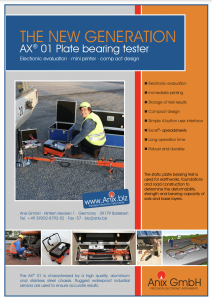
Plate Load Test Flyer Anix AX01

Plate Load Test Flyer Anix AX01

Categories: Brochures

Published: 25/08/2024

Keywords: Plate Load Test

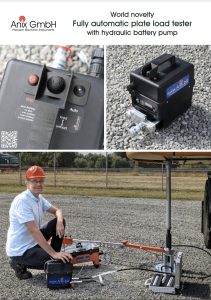
Automated Plate Load Test AX01 Brochure

Automated Plate Load Test AX01 Brochure

Categories: Brochures

Published: 25/08/2024

Keywords: Plate Load Test

ASTM D1196 D1196M 24 Standard Test Method for Nonrepetitive Static Plate Tests of Soils and Flexible Pavement Components for Use in Evaluation and Design of Airport and Highway Pavements

ASTM D1196 D1196M 24 Standard Test Method for Nonrepetitive Static Plate Tests of Soils and Flexible Pavement Components for Use in Evaluation and Design of Airport and Highway Pavements

Categories: Technical Standards

Published: 02/04/2024

Keywords: Plate Load Test

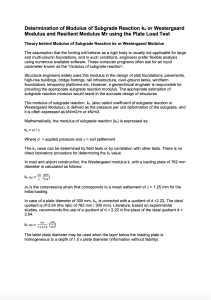
Determination of Modulus of Subgrade Reaction ks or Westergaard Modulus and Resilient Modulus Mr using the Plate Load Test

Determination of Modulus of Subgrade Reaction ks or Westergaard Modulus and Resilient Modulus Mr using the Plate Load Test

Categories: Research Papers

Topics: Comparative Studies between the Plate Load Test (PLT) and other Devices

Published: 02/01/2024

This paper outlines the methodology for determining the Modulus of Subgrade Reaction (ks)—also known as the Westergaard Modulus—and the Resilient Modulus (Mr) using the Plate Load Test (PLT), a field-based method for evaluating subgrade stiffness. The ks value, a critical parameter in the design of foundations, pavements, and temporary works, represents the pressure per unit of settlement and is typically expressed in kN/m³. While ks cannot be directly derived from initial PLT values (Ev1, Ev2), the document details how it can be extrapolated using a second-order polynomial equation in accordance with the DIN 18134 standard. For standardisation, a 762 mm diameter plate is used, with a reference settlement of 1.25 mm. If a 300 mm plate is employed, a correction factor of 2.22 is applied.

This paper also explains the distinction between Elastic Modulus (Es) and Resilient Modulus (Mr) and the relationship between them. While Es represents a one-time load-unload cycle, Mr reflects stiffness under repeated loading, making it especially relevant for pavement design.

Keywords: Plate Load Test

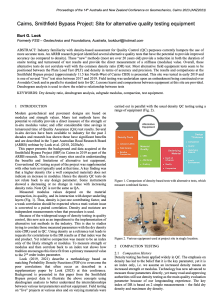
Site testing for alternative quality testing - Smithfield Bypass Project, Cairns - Burt Look - ANZGeo2023

Site testing for alternative quality testing - Smithfield Bypass Project, Cairns - Burt Look - ANZGeo2023

Categories: Research Papers

Topics: Comparative Studies – PANDA® vs other Compaction Control Methods, Comparative Studies between the Light Weight Defectometer and other Devices, Comparative Studies between the Plate Load Test (PLT) and other Devices

Published: 10/11/2023

Industry familiarity with density-based assessment for Quality Control (QC) purposes currently hampers the use of more accurate tests. An ARRB research project identified several alternative quality tests that have the potential to provide improved accuracy (as compared to density). These “new” methods (most are over 20 years old) provide a reduction in both the duration of onsite testing and turnaround of test results and provide the direct measurement of a stiffness (modulus) value. Overall, these alternative tests do not correlate well with the common density ratio (DR) test. Most alternative field equipment tests seem to be positioned between the Plate Load Test (PLT) and density in terms of accuracy and precision. The results and comparisons at the Smithfield Bypass project (approximately 11.5 km North-West of Cairns CBD) is presented. This site was tested in early 2019 and is one of several “live” test sites between 2017 and 2019. Field testing was undertaken upon an embankment being constructed over Avondale Creek and in parallel to standard tests for QC. Lessons learnt and comparisons between equipment at this site are provided. Dendrogram analysis is used to show the relative relationship between tests.

Keywords: Light Weight Deflectometer, PANDA® Instrumented DCP, Plate Load Test

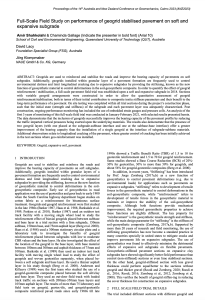
Full-scale field study on performance of geogrid reinforced stabilised pavement on soft and expansive subgrade - Amir Shahkolahi - ANZGeo2023

Full-scale field study on performance of geogrid reinforced stabilised pavement on soft and expansive subgrade - Amir Shahkolahi - ANZGeo2023

Categories: Research Papers

Published: 10/01/2023

Geogrids are used to reinforced and stabilise the roads and improve the bearing capacity of pavements on soft subgrades. Additionally, geogrids installed within granular layer of a pavement formation are frequently used to control environmental distress and limit longitudinal cracking due to expansive subgrades by providing the stiffening, known as the new function of geosynthetic material to control deformations in the soil-geosynthetic composite. In order to quantify the effect of geogrid reinforcement / stabilisation, a full-scale pavement field trial was established upon a soft and expansive subgrade in 2018. Sections with variable geogrid arrangements were constructed in order to allow the quantitative assessment of geogrid reinforcement/stabilisation; both in terms of their initial contribution to composite insitu stiffness parameters and their benefit to the long-term performance of a pavement. On site testing was completed within all trial sections during the project’s construction phase, such that the initial state (strength and stiffness) of the subgrade and each pavement layer was adequately characterised. Post construction, ongoing performance monitoring has included the use of embedded strain gauges and pressure cells. An analysis of the first 3 years of monitoring of this full-scale field trial was conducted in January-February 2021, with selected results presented herein.

The data demonstrates that the inclusion of geogrids successfully improves the bearing capacity of the pavement profile by reducing the traffic imparted vertical pressures being exerted upon the underlying materials. The results also demonstrate that the presence of two geogrid layers (with one placed at the subgrade-subbase interface and one at the subbase-base interface) offer a greater improvement of the bearing capacity than the installation of a single geogrid at the interface of subgrade-subbase materials.

Additional observations relate to longitudinal cracking of the pavement, where greater control of cracking has been initially achieved in the test sections where geo-reinforcement was installed.

Keywords: Plate Load Test

Comparison of Ev2, Evd and Ev2/Ev1 Ratio for Various Material Types

Categories: Technical Standards

Published: 03/06/2022

Keywords: Light Weight Deflectometer, Plate Load Test

An-application-of-Lightweight-Deflectometer-Portable-ICSMGE-2022

An application of Lightweight Deflectometer Portable Impulse and Variable Energy Dynamic Penetrometer PANDA DCP devices for compliance testing of performance-based rail formation - Blanchet & Doe - ICSMGE 2022

Categories: Research Papers

Topics: Comparative Studies – PANDA® vs other Compaction Control Methods, Comparative Studies between the Light Weight Defectometer and other Devices, Rail

Published: 05/05/2022

Results of compressive strength and resilient modulus measured in situ using a Variable Energy Dynamic Penetrometer (VEDP) – PANDA DCP, Light Weight Deflectometer – Portable Impulse (LWD-PI), and Plate Load Test (PLT) and laboratory Unconfined Compressive Strength (UCS) during a full-scale trial on the Australian Rail Track Corporation (ARTC) Inland Rail project. These alternative tests reduce the level of laboratory testing effort while the near real time display of results aids in construction time frames which is of particular benefit to projects in remote locations. The methods can be combined with traditional field testing methods to develop site-specific correlations and validate geotechnical parameters assumed in the design.

Keywords: Light Weight Deflectometer, PANDA® Instrumented DCP, Plate Load Test

Best Practice in Compaction Quality Assurance for Pavement and Subgrade Materials NACOE DTMR QLD P60 Y5 Final Report Lee Lacey June 2021

Categories: Research Papers

Topics: Comparative Studies – PANDA® vs other Compaction Control Methods, Comparative Studies between the Light Weight Defectometer and other Devices, Comparative Studies between the Plate Load Test (PLT) and other Devices

Published: 23/07/2021

The current industry practice relies on the use of in situ dry density ratio (DDR) to control the quality of compaction during the construction of earthworks. The main reason is because the density measurements are relatively easy to undertake during construction, and the parameter itself is precise and with limited variability.

However, this approach has two major disadvantages, namely: (i) the in situ modulus of the layers is not directly measured, and (ii) there is a significant delay between the time of undertaking the DDR measurement and the delivery of the final test results. Such a (routine) delay in the provision of test results can lead to costly rework being required by the contractor if earthworks are found to be non conforming and require remediation after the works have further progressed. To address the above issues, this National Asset Centre of Excellence (NACOE) research project investigated the viability of using alternative testing techniques to control the quality of constructing earthworks.

This five-year study investigated a range of alternative testing devices, such as the light weight deflectometer (LWD), Clegg Hammer and PANDA probe with a focus to evaluate their effectiveness in assessing the quality of the earthworks constructed. A methodology has been developed to adopt the LWD as an alternative QA method. However, the methodology is equally applicable for other similar technologies.

The report presents the final research outcomes to allow the adoption or trialling of this alternative approach in future roadwork construction projects. The final deliverables include the proposed amendments to MRTS04 General Earthworks, and a technical note that details the technical basis and approach.

Appendix A of this report, includes the Queensland Department of Transport and Main Roads (QLD DTMR) Draft Technical Note – Guidance on Use of Light Weight Falling Deflectometers (LWDs) to be Accepted as an Alternative Method for Verification of Earthworks Compaction Requirements – June 2021. This provides guidance on moving from a density based specification for compaction control to a modulus based approach to testing in the field.

The draft technical note provides guidance on implementation of Light Weight Deflectometers as an alternative compaction control method including a flow chart showing key steps for assessment/derivation of equivalent acceptance thresholds for LWD use (in lieu of traditional (density) testing minimum thresholds included in MRTS04 – General Earthworks). We believe this “How to” guide will be very useful for industry on projects across the country.

Keywords: Light Weight Deflectometer, PANDA® Instrumented DCP, Plate Load Test

ASTM D1195 D1195M (2021) Standard Test Method for Repetitive Static Plate Tests of Soils and Flexible Pavement Components for Use in Evaluation and Design of Airport and Highway Pavements

ASTM D1195 D1195M (2021) Standard Test Method for Repetitive Static Plate Tests of Soils and Flexible Pavement Components for Use in Evaluation and Design of Airport and Highway Pavements

Categories: Technical Standards

Published: 01/06/2021

Keywords: Plate Load Test

Best Practice in Compaction QA for Pavement and Subgrade Materials NACOE P60 Year 3 Report Lee, Lacey, Look & Tarr June 2020

Categories: Research Papers

Topics: Comparative Studies – PANDA® vs other Compaction Control Methods, Comparative Studies between the Light Weight Defectometer and other Devices, Comparative Studies between the Plate Load Test (PLT) and other Devices

Published: 01/06/2020

Industry’s familiarity with density-based assessments for the quality assurance (QA) of pavement layers and subgrades currently favours conventional density measurements over other field tests that have the potential to better validate design parameters achieved during construction. Although such alternative tests (e.g. Prima 100 LWD, Geogauge or PANDA probe) are not necessarily as precise as conventional density testing, the density test itself has significant limitations.

These limitations include the time required to undertake the tests and its inability to reliably assess the in situ devices evaluated in this report.

The background to Phase 3 of the study is covered in Section 2 which discusses the interim findings from Phases 1 and 2. The field testing and analysis conducted on a live construction site to evaluate the alternatives test method is summarised in Section 3. A proposed technical specification is outlined in Section 4 and conclusions and recommendations are discussed in Section 5.

Keywords: Light Weight Deflectometer, PANDA® Instrumented DCP, Plate Load Test

Advanced Methods for Compaction Quality Control - June 2018 Webinar Part 3 (Webinar Slides)

Categories: Research Papers

Topics: Comparative Studies – PANDA® vs other Compaction Control Methods, Comparative Studies between the Light Weight Defectometer and other Devices, Comparative Studies between the Plate Load Test (PLT) and other Devices

Published: 03/06/2018

Keywords: Light Weight Deflectometer, PANDA® Instrumented DCP

NACOE Advanced Methods for Compaction Quality Control June 2018 Webinar Part 2 (Webinar Slides)

Categories: Research Papers

Topics: Comparative Studies – PANDA® vs other Compaction Control Methods, Comparative Studies between the Light Weight Defectometer and other Devices, Comparative Studies between the Plate Load Test (PLT) and other Devices

Published: 02/06/2018

Keywords: Light Weight Deflectometer, PANDA® Instrumented DCP, Plate Load Test

Advanced Methods for Compaction Quality Control Part 2 Question Answers

Categories: Research Papers

Topics: Comparative Studies – PANDA® vs other Compaction Control Methods, Comparative Studies between the Light Weight Defectometer and other Devices, Comparative Studies between the Plate Load Test (PLT) and other Devices

Published: 02/06/2018

Advanced Methods for Compaction Quality Control Part 2 Question Answers

  1. How is moisture ratio taken into account?
  2. Modulus is influenced by moisture too; so, shouldn't a comparison should MDD v Modulus include consideration of moisture content?
  3. Was the moisture content/ratio taken into account when comparing the Density vs Modulus?
  4. The statistical analysis doesn't acknowledge some frustrating variables (1) – e.g. Density Ratio v Modulus not considering moisture content.
  5. What was the moisture variations within all the testing?
  6. Density Ratio can be performed within 1 day as per AS 1289 5.7.1.
  7. Most Victorian testing for earthworks is using rapid HILF method which does not normally require curing if within the test method range.
  8. He [the presenter] is referring to assigned value and not the HILF compaction.
  9. Are there any case history recorded significant numbers of PLT vs LFWD?
  10. PLT has shown vice-versa results and how can we take it PLT as reliability test?
  11. The statistical analysis doesn't acknowledge some frustrating variables (2) – e.g. density ratio v CBR not considering material type
  12. Embankments need to have a required modulus for strength as well as minimise settlement. Isn't density a measure of minimising settlement and therefore still important?
  13. A dry material with low density will have a high modulus, but is this all we care about?
  14. Slide 17 – These are awful results and not representative of road construction projects in NSW. What is the source of this data? PS. You are showing density (ratio) results and not quality test results!
  15. Slide 19 – One crucial item is the location of the test results, that is layer and GPS / Chainage and Offset! Why is this mixing?
  16. Slide 23 – If you are placing and compacting in 300 mm lifts, the LFWD and PLT will not give you reliable results as it influenced by the underlying layers. Therefore, why would you use this equipment?
  17. Slide 25 – You have only tested and analysed one formation material. How can you draw any early conclusions?
  18. Slide 29 – Work in the USA has shown the portable hand held FWD devices are susceptible to moisture content of the material being tested and have you taken this into consideration to the reliability of the test results from these devices?
  19. Slide 50 - You would have to be a brave road agency engineer to allow a contractor to use 1000 mm lifts for embankments with a 18 T padfoot roller!

Keywords: Light Weight Deflectometer, PANDA® Instrumented DCP, Plate Load Test

NACOE Advanced Methods for Compaction Quality Control – June 2018 Webinar – Part 1 (Webinar Slides)

Categories: Research Papers

Topics: Comparative Studies – PANDA® vs other Compaction Control Methods, Comparative Studies between the Light Weight Defectometer and other Devices, Comparative Studies between the Plate Load Test (PLT) and other Devices

Published: 01/06/2018

Keywords: Light Weight Deflectometer, PANDA® Instrumented DCP, Plate Load Test

Characterisation-of-in-situ-soils-based on the resilient modulus obtained using the Light Weight Deflectometer

Characterisation of in-situ soils based on the resilient soil modulus obtained using Light Weight Deflectometer (LWD) – N.Barounis & T.Smith – New Zealand Geotechnical Society – Nov 2017

Categories: Research Papers

Topics: Comparative Studies between the Light Weight Defectometer and other Devices, Comparative Studies between the Plate Load Test (PLT) and other Devices, Pavements

Published: 01/11/2017

The Light Weight Deflectometer (LWD) is a portable device that measures the onsite dynamic or resilient modulus (Evd) of subgrade soils and pavements. The LWD, which has been used extensively in Europe and the United States, has become popular for assessing the stiffness of embankments, structural fills and other earth structures. It assesses the bearing capacity, the stiffness and the compaction degree of soils that have a maximum grain size of 63mm. The LWD assessment considers the stiffness (or compressibility) characteristics of the materials under testing to a depth of 600mm below plate level. The paper presents available correlations between Evd with the static soil modulus Ev obtained from static plate load tests. It also presents how Evd can be linked with CBR and thus be useful for pavement design, but also with the subgrade reaction modulus K of the assessed soils. It also discusses the fundamental principles behind the testing along with the benefits that may arise from its use on specific applications. Such applications include the design and construction monitoring of gravel rafts, the design of pavements, engineered and non-engineered fills, landfills, MSE walls, pipelines and services, evaluation of ground improvement effectiveness and soil stiffness mapping.

The paper presents available correlations between dynamic or resilient modulus (Evd) with the static soil modulus Ev obtained from static plate load tests. It also presents how Evd can be linked with CBR and thus be useful for pavement design, but also with the subgrade reaction modulus K of the assessed soils. Applications include the design and construction monitoring of gravel rafts, the design of pavements, engineered and non-engineered fills, landfills, MSE walls, pipelines and services, evaluation of ground improvement effectiveness and soil stiffness mapping.

Keywords: Light Weight Deflectometer, Plate Load Test

Best Practice in Compaction QA for Pavement and Subgrade Materials Year 1 Report Jeffrey Lee, David Lacey & Burk Look NACOE P60 QLD DTMR, Australia Aug 2017

Categories: Research Papers

Topics: Comparative Studies – PANDA® vs other Compaction Control Methods, Comparative Studies between the Light Weight Defectometer and other Devices, Comparative Studies between the Plate Load Test (PLT) and other Devices

Published: 30/08/2017

Currently, the acceptance of construction works (e.g. earthwork embankments, subgrade and pavement granular layers) by Australian road regulatory bodies requires in situ density testing to be completed in order that a relative percentage of the laboratory-determined maximum dry density can be determined. Current earthworks specifications often rely on the assumption that there is a direct correlation between density and modulus parameters (i.e. the greater the density achieved, the higher the modulus of the compacted material). However, this assumption may not be valid and it is affected by many properties of the engineering material.

Over the last two decades, some alternative field assessment methods have been developed which either directly measure the in situ modulus or correlate with the resilient modulus. This project focuses on exploring the use of these new assessment methods. Such innovative testing methods can be grouped into the following four main categories:

  • penetration test devices
  • surface based impact devices
  • geophysical methods
  • in situ sensors.

Among these four categories, the ‘penetration test devices’ and ‘surface based impact devices’ were identified to have the potential to be adopted in TMR’s current Quality Assurance (QA) framework.

A literature review conducted in 2016/2017 highlighted that some similar international studies had been completed in recent years. Recent projects in Australia also demonstrated the advantages associated with these innovative, commercially-available field assessment techniques.

The project team attempted to rank the different QA methods using a weighted rating approach.

The traditional density test techniques were also evaluated as reference values in this assessment. The overall comparative assessment of the different QA test techniques is shown in the following table.

Keywords: Light Weight Deflectometer, PANDA® Instrumented DCP, Plate Load Test

Influence of Lightweight Deflectometer Characteristics on Deflection Measurement – D. Stamp. and M. Mooney – ASTM Geotechnical Testing Journal, Vol. 36, No. 2, pp. 216–226 – 2013

Categories: Research Papers

Topics: Understanding the Light Weight Deflectometer (LWD) and its Results

Published: 01/01/2013

The Light Weight Deflectometer (LWD) is currently not standardized; as a result, there are a number of commercially available LWD designs that yield different deflection and elastic modulus values. This proves problematic because transportation agencies are beginning to prescribe target deflections and/or elastic modulus values during earthwork construction.

This paper presents the results of a comprehensive investigation into the influence of LWD design characteristics on measured deflection. The influence of the sensor type (accelerometer versus geo- phone), sensing configuration (measurement of plate versus ground surface), LWD rigidity, and applied load pulse were investigated through field testing and finite element analysis. The investigation revealed that the sensing configuration (i.e., the measurement of plate versus ground surface response) is the predominant cause of differences between the Zorn and Prima LWD responses (deflection normalized by peak force). Vertical plate deflection exceeded ground surface deflection by 65 % to 310 % on soils and by 20 % on asphalt. The relative influences of the sensor type (accelerometer versus geophone), plate rigidity, and load pulse each led to relatively small differences (<10 %) between Zorn and Prima LWD responses. The results of this investigation illustrate that each of the two LWD configurations will always produce different deflection and elastic modulus values for the same ground conditions, and that the differences will be difficult to predict.

Keywords: Light Weight Deflectometer

Determining the deformation and strength characteristics of soil by the plate loading test (DIN18134 – 2012)

Categories: Technical Standards

Published: 01/01/2012

Keywords: Plate Load Test

Relationship between surged reaction modulus and the strain modulus obtained using a plate loading test – High Speed Rail – Dae Sang Kim & Seong Yong Park

Categories: Research Papers

Topics: Rail

Published: 01/01/2011

Plate loading tests (PLTs) have been used to evaluate the compaction quality of the railroad subgrade in Korea. Two methods to determine the design modulus are being used together; one is an unrepetitive plate loading test (uPLT) that obtains the subgrade reaction modulus (K30) and the other is a repetitive plate loading test (rPLT) (e.g. Anix AX01a) that obtains the strain modulus (Ev). There are some differences between the two methods, such as, the way in which the design modulus is evaluated, the number of loading steps, and the test procedures. Firstly, this paper compares the two test methods and summarizes the differences between them. Secondly, the relationship between the two moduli was obtained by using the results of 30 field tests of uPLT test and rPLT test carried out on the subgrade under railroad construction. The comparisons show that the two tests give large differences in stress-displacement relationship and that the correlations between the two moduli didn’t indicate a good relationship. Consequently, it was found that corrections of two the moduli for stress and strain level are needed to evaluate the relationship between the two moduli, because the stress and strain level are different when K30 and Ev2 are evaluated. Therefore, if the relationship between the two moduli is developed from the correction procedure, it will help field engineers in the management of compaction control for railway embankments.

Keywords: Plate Load Test

Intelligent Compaction for Soils and Subbase Materials – US DOT FHWA (US Department of Transport Federal Highway Authority) – Transportation Pooled Fund Program Summary

Categories: Research Papers

Published: 10/09/2010

Five single drum IC rollers (smooth drum and padfoot) were assessed from Bomag USA, Case/Ammann, Caterpillar, Dynapac, Sakai America, and Volvo.

For IC correlation analysis, in-situ tests are used to directly obtain the response of the compacted materials under various loading situations and drainage/moisture conditions. Recommended in-situ test devices for soils/ subbase/ stabilized IC are as followings:

  • Light Weight Deflectometer (LWD)
  • Dynamic Cone Penetrometer (DCP)
  • Calibrated Nuclear Moisture-Density Gauge for soils and subbase (NG)
  • Falling Weight Deflectometer (FWD)
  • Static Plate Loading Test (PLT)

Keywords: Intelligent Compaction, Light Weight Deflectometer, Plate Load Test

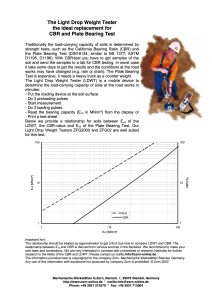
Light Weight Deflectometer (LWD) replaces CBR Indicative Graph of Ev2 vs Evd vs CBR

Categories: Technical Standards

Published: 01/01/2002

Light Weight Deflectometer (LWD) replaces CBR Indicative Graph of Ev2 vs Evd vs CBR

Keywords: Light Weight Deflectometer, Plate Load Test

Alternatives to Traditional Compaction Control Assessment – Standards and Specifications

Current earthworks specifications often rely on the assumption that there is a direct correlation between density and modulus (i.e. the greater the density achieved, the higher the modulus of the...

Three Ways To Measure Bearing Capacity For Mobile Crane And Piling Rigs Working Platforms

One of the key concerns of project managers is safety, including the risk of people getting injured or killed at site. Hence, for temporary working platforms, the need to measure...

Automated Plate Load Test – a world first from Anix

Have you ever wished your Plate Load Test equipment would operate itself? Then our static plate load test with automatically operating battery hydraulic pump is definitely something for you. :-)

Plate Load Test speeds up Wind Farm Geotechnical Testing – Case Study

We find clients are often looking for ways to improve geotechnical testing outcomes and do it more efficiently at the same time. This drives their buying decision making. Australian Soil...

A Reliable Methodology for the Determination of the Modulus of Subgrade Reaction – Case Study

Engineers appear to be fixated on soil bearing capacity as the fundamental soil parameter for foundation design worldwide, with the assumption that the footing will behave as a rigid body....

Assessment of Compaction Quality Control Methods – NACOE P60 Best Practice Research

The acceptance of earthwork and unbound pavement construction in Australia currently relies mostly on density testing and CBRs for Quality Assurance (QA). Though its National Asset Centre of Excellence (NACoE)...

AX01 Plate Load Test now ASTM compliant

We are pleased to let you know that the AX01 Plate Load Test is now compliant with the ASTM International standards. The Plate Load Test is normally used to measure...

Top 10 trends in Site Investigation and Geotechnical Testing

We find our clients are increasingly demanding more accurate and more representative results that provide better insight on what’s going on below the surface when they are designing or constructing...

Alternative Testing Methods for Quality Assurance – ARRB Research

The acceptance of earthwork and unbound pavement construction in Australia currently relies on density testing and CBRs for Quality Assurance (QA). Though its National Asset Centre of Excellence (NACoE) research...

Plate Load Testing on wind farms made efficient – Case Study

The Plate Load Test is an excellent insitu site investigation field test used to determine the ultimate bearing capacity of the ground and the likely settlement under a given load....

Comparative Studies between the Plate Load Test (PLT) and other Devices

Best practice in compaction quality assurance for pavement and subgrade materials – National Asset Centre of Excellence (NACOE) – Queensland Department of Transport and Main Roads and the Australian Road Research Board (ARRB) – P60

The acceptance of earthwork and unbound pavement construction in Australia currently relies mostly on density testing and CBRs for Quality Assurance (QA).

Though its National Asset Centre of Excellence (NACoE) research program, Queensland’s Department of Transport & Main Roads sponsored a vital ARRB research project to update test methods acceptable for use for QA of pavement and subgrade materials. This state-of-the-industry study assessed test methods that have the potential to:

(a) reliably provide a direct measure of the strength or in-situ modulus value; and
(b) offer significant time savings in turnaround time of test results.

Methods evaluated included Light Weight Deflectometer’s (LWD’s), PANDA® Instrumented DCP, Clegg Hammer, DCP and Plate Load Testing (PLT). Specifically, the devices evaluated included the Zorn Light Weight Deflectometer, the Anix Instrumented Plate Load Test and PANDA® Instrumented DCP.

Alternative Testing Methods for Quality Assurance NACoE Light Weight Deflectometer PANDA DCP Clegg

In earthworks testing, using density ratios is applied widely in quality control. There are currently many different measuring devices which can provide a more accurate measurement of design parameters (strength or stiffness) and can provide a more direct route for parameter assessment (i.e. limit need for any inclusion of generic relationships).

Comparisons of density with alternative in-situ testing show the latter provides significant benefits to the industry. Accuracy is not the same as precision, and industry’s reliance on density places an emphasis on precision rather than accuracy, data usability or timeliness of results.

This research has found density measurements are, although precise, not very accurate due to poor correlation with the results of other modulus or strength-based tests.

Presenters:

You will find a summary of the Best practice in compaction quality assurance for pavement and subgrade materials research.

The most important Technical Standards for values required for the Deformation Modulus, in Germany, are:

  • “Zusätzliche Techni­sche Vertragsbedingungen und Richtlinien für Erdarbeiten im Straßenbau” (Additional Technical Terms of Contract and Guidelines for Earthworks in Road Construction) ZTV E-StB 09,
  • “Zusätzliche Technische Vertragsbedingungen und Richtlinien für Aufgrabungen in Verkehrsflächen” (Additional Technical Terms of Contract and Guidelines for Excavations in Traffic Areas) ZTV A-StB 97/06
  • “Zusätzliche Technische Vertragsbedingungen und Richtlinien für den Bau von Schichten ohne Bindemittel im Straßenbau” (Additional Technical Terms of Contract and Guidelines for the Construction of Courses without Binder in Road Construction) ZTV SoB-StB 07.

In accordance with ZTV E-StB, quality control is carried out according to a statistical test plan. In this method, the statistical distribution of the inspection criterion being examined is determined within an inspection lot on a random sampling basis. The decision as to whether the inspection lot is accepted or rejected is made on the basis of the results of the random sampling.

This method can be applied to any kind of ground.

The application of this method is particularly advisable in the following cases:

  • with large inspection lots
  • with inspection lots for which the uniformity of the compaction is to be evaluated
  • with inspection lots on which test procedures requiring little time are used and whose results are available immediately

The statistical method should also be used for sample compactions.

In the statistical method, one inspection lot is assessed each time. An inspection lot is a layer of compacted ground that has been processed under uniform conditions and for which there is a uniform requirement. The area of the inspection lot should be precisely specified.

The test is carried out on a random sampling basis in which the position of the test points in the testing area is to be determined by means of a random selection process. The scale of the random sampling (n) depends on the size of the inspection lot.

The arithmetic average ( ) and the standard deviation (s) are calculated on the basis of the results (xi) of the random sample.

In the case of a 10% minimum quantile TM (degree of compaction, deformation modulus), the quality number Q is generated on the basis of  and s (3).

At the acceptance of the construction work, the inspection lot will be accepted if Q≥k, where k is the acceptability constant in accordance with Table 1; otherwise the inspection lot will be rejected. It must then be brought into a condition that meets the requirements by the contractor. In the case of a rejection, the entire area of the inspection lot must be rejected.

Table 1: Scale of random sampling and acceptability constant for a single plan for the inspection of variables depending on the size of the inspection lot 

Size of inspection lot


Area [m²]

Length of utility trench


Length per m of trench depth

Scale of random sampling n Acceptability constant k
up to 1000


over 1000 to 2000

over 2000 to 3000

over 3000 to 4000

over 4000 to 5000

over 5000 to 6000

up to 100


over 100 to 200

over 200 to 300

over 300 to 400

over 400 to 500

over 500 to 600

4


5

6

7

8

9

0.88


0.88

0.88

0.88

0.88

0.88

The requirements mentioned below refer to the 10% minimum quantile TM in accordance with ZTV E-StB.

In the case of a road surface for heavy to medium traffic on a frost-proof subgrade or subbase, a deformation modulus of at least Ev2 = 120 MN/m² is required on the formation level. For light traffic, a deformation modulus of at least Ev2 = 100 MN/m² is required.

In the case of a frost-susceptible subgrade or subbase, a deformation modulus of at least Ev2 = 45 MN/m² must be proven on the formation level.

In the case of a frost-susceptible subgrade or subbase, Ev2 ≥ 70 MN/m² must be the case on the formation level after professional soil improvement has been carried out.

In accordance with ZTV E-StB, the static plate loading test can be used as a substitute for determining the degree of compaction in accordance with Table 2 for coarse-grained soils and mixed-grained soils with a fine grain proportion of less than 15 % (m/m).

For allocation to the degree of compaction, the deformation modulus Ev2 must adhere to the lower limit given in Table 2, while the ratio Ev2/Ev1 must adhere to the upper limit given in Table 2.

If the Ev1 value has already reached 60% of the Ev2 value given in Table 2, higher Ev2/Ev1 ratios are also permitted.

Table 2:    Standard values for allocation of the static deformation modulus Ev2 and the ratio Ev2/Ev1 to the degree of compaction DPr for coarse-grained soils

Soil group Static deformation modulus Ev2 [MN/m²] Ratio


Ev2/Ev1

Degree of compaction Dpr [%]
GW, GI ≥100


≥80

≤2.3


≤2.5

≥100


≥98

GE, SE, SW, SI ≥80


≥70

≤2.3


≤2.5

≥100


≥98

For base courses without binder, the following applies in accordance with SoB-StB:

In the case of roads of German construction classes SV, I to IV, on a formation level with Ev2 ≥ 45 MN/m² a deformation modulus of Ev2 ≥ 120 MN/m² must be achieved on the frost protection layer.

On roads of German construction classes V and VI, the required value is Ev2 ≥ 100 MN/m.

On gravel and crushed stone base courses, the ratio of the deformation moduli Ev2/Ev1 must not be greater than 2.2 if a degree of compaction DPr ≥ 103 % is stipulated. With a degree of compaction DPr < 103 %, Ev2/Ev1 must be ≤ 2.5.

Ev2/Ev1 ratios higher than 2.2 or 2.5 are permitted if the Ev1 value is at least 0.6 times the required Ev2 value.

In the case of roads of German construction classes SV, I to IV the following deformation modulus Ev2 must be achieved on frost protection layers with Ev2 ³ 120 MN/m² depending on the thickness of the base course without binder:

  • on gravel base courses: ≥20 cm: Ev2 ≥150 MN/m² and ≥25 cm: Ev2 ≥180 MN/m²
  • on crushed stone base courses: ≥15 cm: Ev2 ≥150 MN/m² and ≥20 cm: Ev2 ≥ 180 MN/m²

In the case of roads of German construction classes V and VI, the following deformation modulus Ev2 must be achieved on frost protection layers with Ev2 ≥ 100 MN/m² depending on the thickness of the base course without binder:

  • on gravel base courses: ≥20 cm: E v2 ≥120 MN/m² and ≥25 cm: E v2 ≥ 150 MN/m²
  • on crushed stone base courses: ≥15 cm: E v2 ≥120 MN/m² and ≥20 cm: E v2 ≥150 MN/m²

Unlike with ZTV E-StB, these required values are not the 10% quantile but rather minimum values for which deviations should be evaluated as follows:

  • With fewer than five individual values, each of the individual values must be equal to or exceed the required minimum values.
  • With five or more individual values per inspection lot, one individual value in each case may fall below the required minimum value for the deformation modulus by no more than 10%.
  • The permitted deviations only apply, however, if these individual values relate to the five measurement locations that are closest to each other in each case.

Other supported standards include:

  • DIN 18134:2012-04, Baugrund – Versuche und Versuchsgeräte – Plattendruckversuch, Deutschen Institut für Normung (Germany) – describes how to set up and carry out the plate loading test
  • CNR BU 146 1992-12, determinazione del MODULO DI DEFORMAZIONE, Consiglio Nazionale delle Ricerche (Italy)
  • ÖNORM B4417:1979-12, Erd- und Grundbau; Untersuchung von Böden; Lastplattenversuch, Austrian Standards Institute (Austria)
  • SN 670 317b:1998, Plattendruckversuch, Norme Suisse (Switzerland)
  • TSC 06.720:2003, MERITVE IN PREISKAVE – DEFORMACIJSKI MODULI VGRAJENIH MATERIALOV, REPUBLIKA SLOVENIJA (Slovenia)
  • NF P94-117-1:2000-04, Portance des plates formes – Module sous chargement statique à la plaque, Norme française (France)
  • BS 1377 Part 9:1990-08 Methods for test for soils for civil engineering purposes. In-situ tests, British Standards + HD 25 PAVEMENT FOUNDATIONS (UK)
  • UNE 103808:2006-02, Ensayo de placa de carga, Asociación Española de Normalización y Certificación (Spain)
  • Standaardbestek 250 – Hoofdstuk 14.16, Samendrukbaarheidsmodulus (Belgium)
  • Aflevering Proefmethodes – Hoofdstuk 50.01, Samendrukbaarheidsmodulus (Belgium)
  • MSZ 2509-3:1989, Útpályaszerkezetek teherbíró képességének vizsgálata, Magyarország (Hungary)
  • VVMB 606 – Bestämning av bärighetsegenskaper med statisk plattbelastning Sammanfattning (Sweden)

Credentials for Anix AX01 Plate Load Test

The Anix AX01 Plate Load Test series has been in production since 2004. A number of units are used in high speed railway construction in China.

To find out more, Contact Us.

The Anix AX01 Plate Load Test is manufactured by Anix GmbH of Meitzendorf, Hintern Hecken, 139179 Barleben, Germany www.anix.biz

Anix GmbH logo

What is the AX01 plate diameter?

The AX01 is supplied with a 300mm plate but 450mm, 600mm and 762mm plates are also available.

What other names is the Plate Load Test known by?
  • Static load plate bearing tester
  • Static plate bearing test
  • Plate bearing test
  • Plate bearing tester
  • Static plate test
  • Static plate bearing test
  • Static plate load test
  • Plate Load Test
  • PLT
  • AX01
  • Anix
What is the AX01 hydraulic jack capacity?

The AX01 is supplied with a 20 Tonnes (200kN) capacity jack but a jack with 10 Tonnes (100kN) capacity is also available.

What is Ev1, Ev2 and the relationship to Evd

Ev1 – static deformation modulus or strain modulus of the first loading cycle for the bearing capacity from the Plate Load Test


Ev2 – static deformation modulus or strain modulus of the second loading cycle for the bearing capacity from the Plate Load Test


The ratio Ev2/Ev1 is a figure for the compaction level when testing using the Plate Load Test


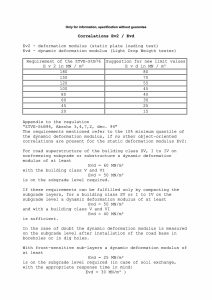
Ev2 and Evd relationship – the relationship between the strain modulus Ev2, measured by the static Plate Load Test, and the dynamic deformation modulus Evd, measured with the Light Weight Deflectometer, depends on the kind of soil and the degree of compaction.

Experience shows that the ratio Ev2/Evd lies in the range 1.0 to 4.

For densely compacted soils Ev2/Evd ~ 2.3

On average the following relation between the dynamic deformation modulus Evd, and the strain modulus Ev2, can be used:

This relation does not hold for limiting values.

You can find more here.

Trusted by our clients

Trusted by our partners

Insitutek Blogs