PANDOSCOPE® - Cone Resistance + Down Hole Imagery

  • PANDOSCOPE® – Coupling of cone resistance vs depth profile with very high quality down the hole imagery (video & photos)
  • Rapid image analysis including estimation of the soil grain size distribution (PSD) and water content allows a qualitative characterisation of soil
  • PANDOSCOPE® is used to calibrate Ground Penetrating Radar (GPR) data and to provide more information in problem areas.
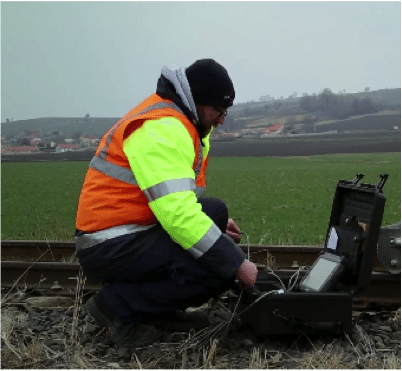
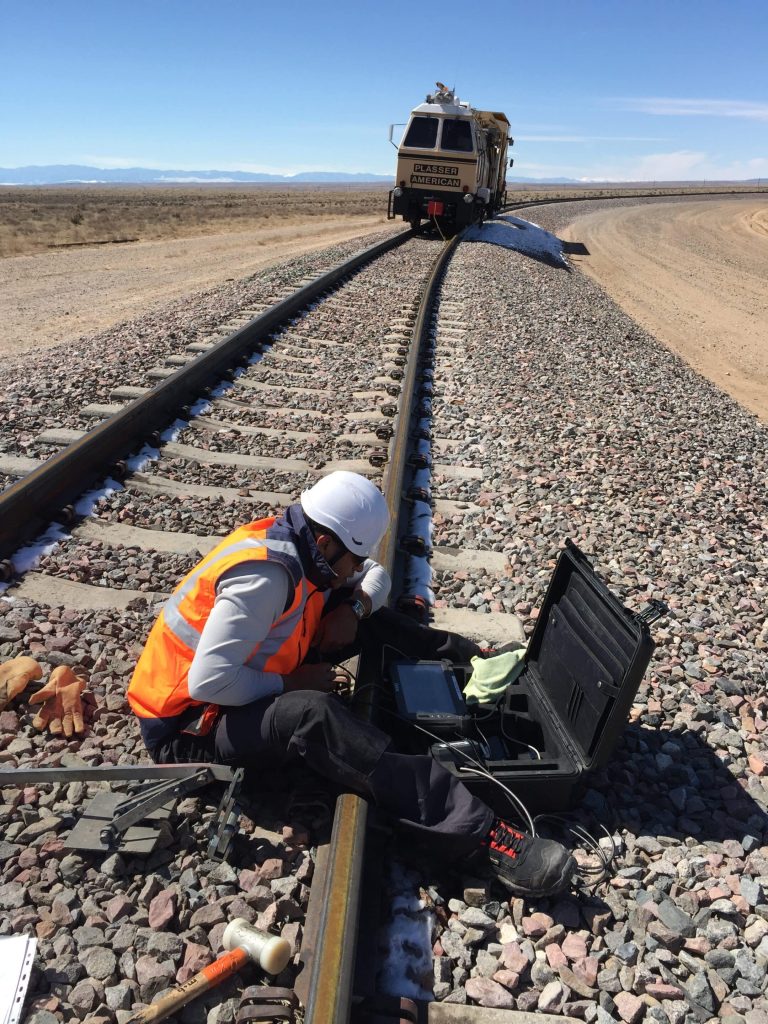
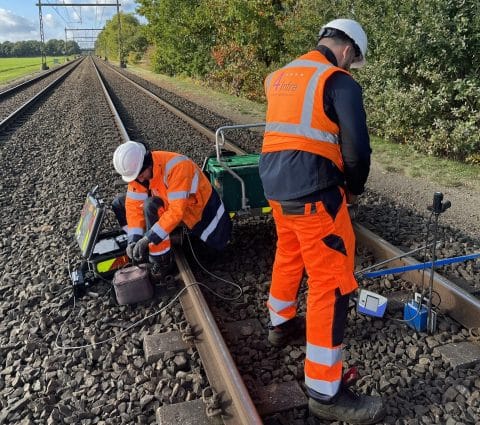
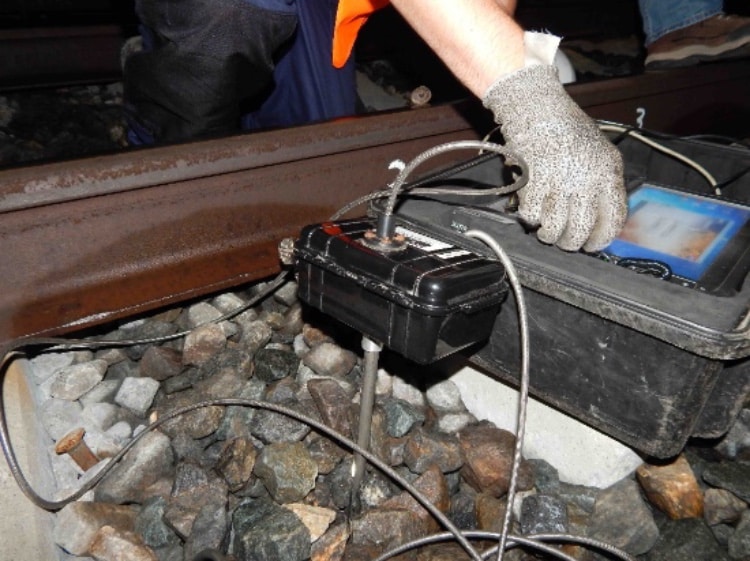
  • Non-destructive rail track ballast assessment (ballast fouling) and Condition monitoring of the formation (rail track substructure layers)
  • Other PANDOSCOPE® applications include tunnels and underground space condition assessment, pavement investigations and concrete segregation.

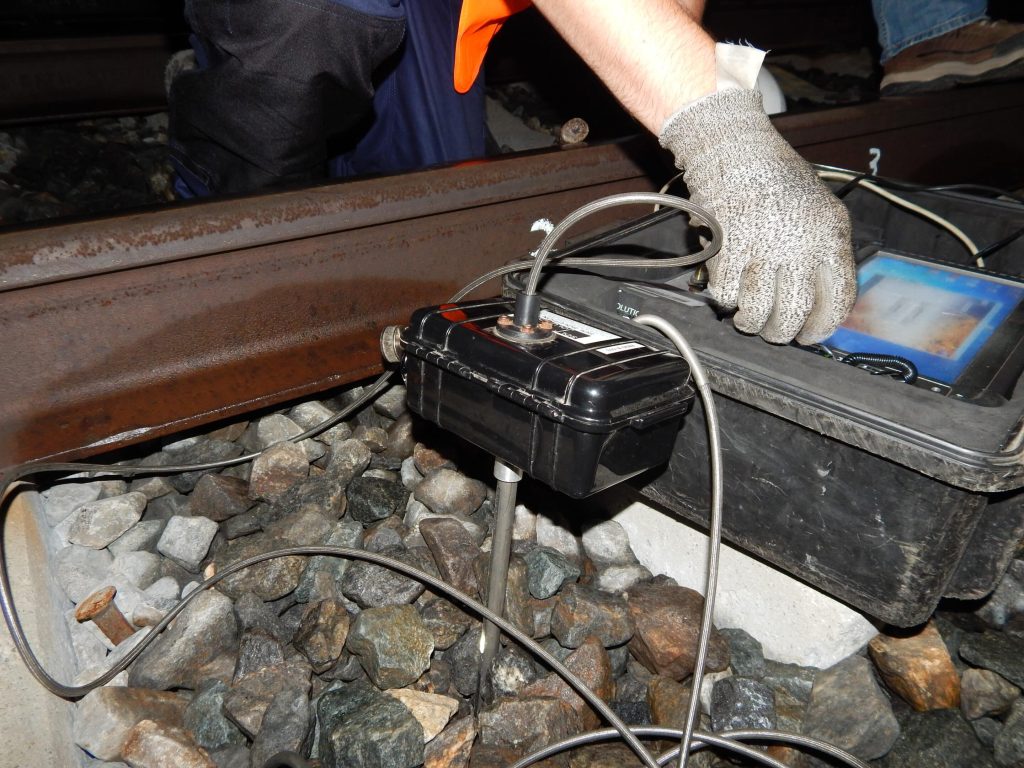
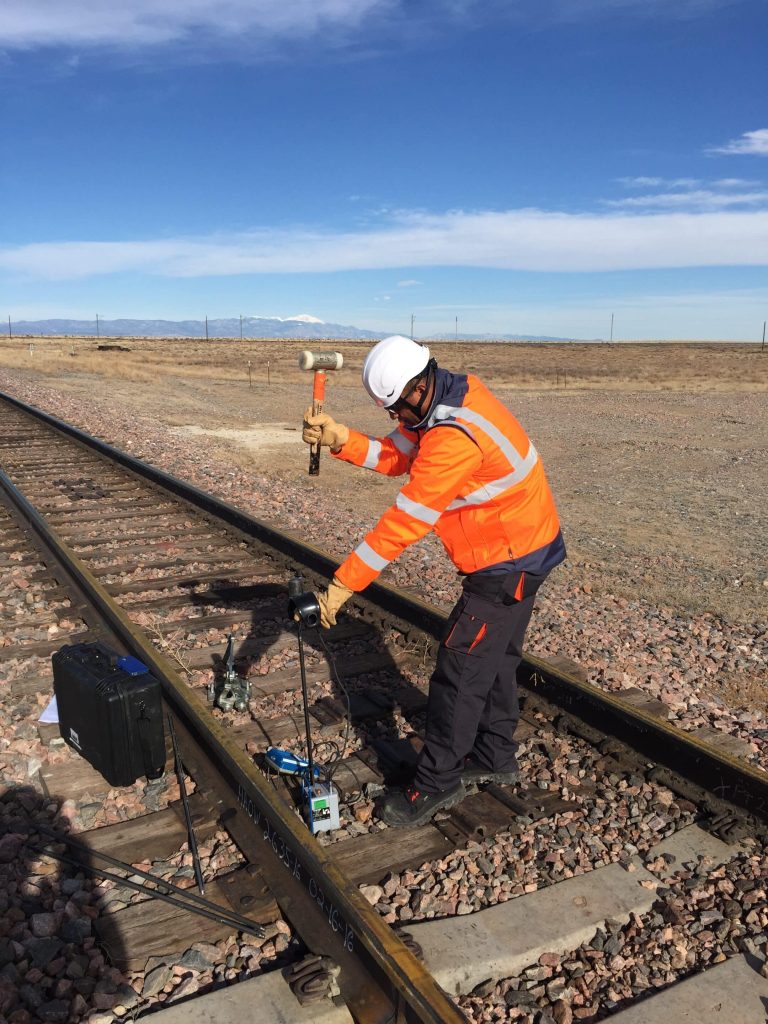
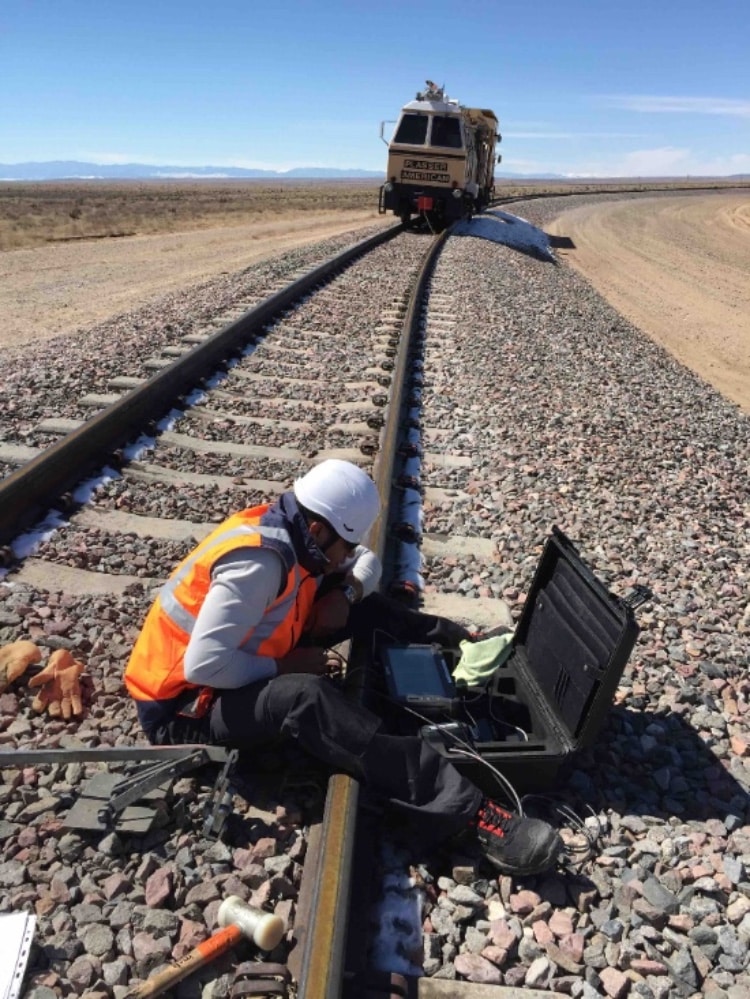
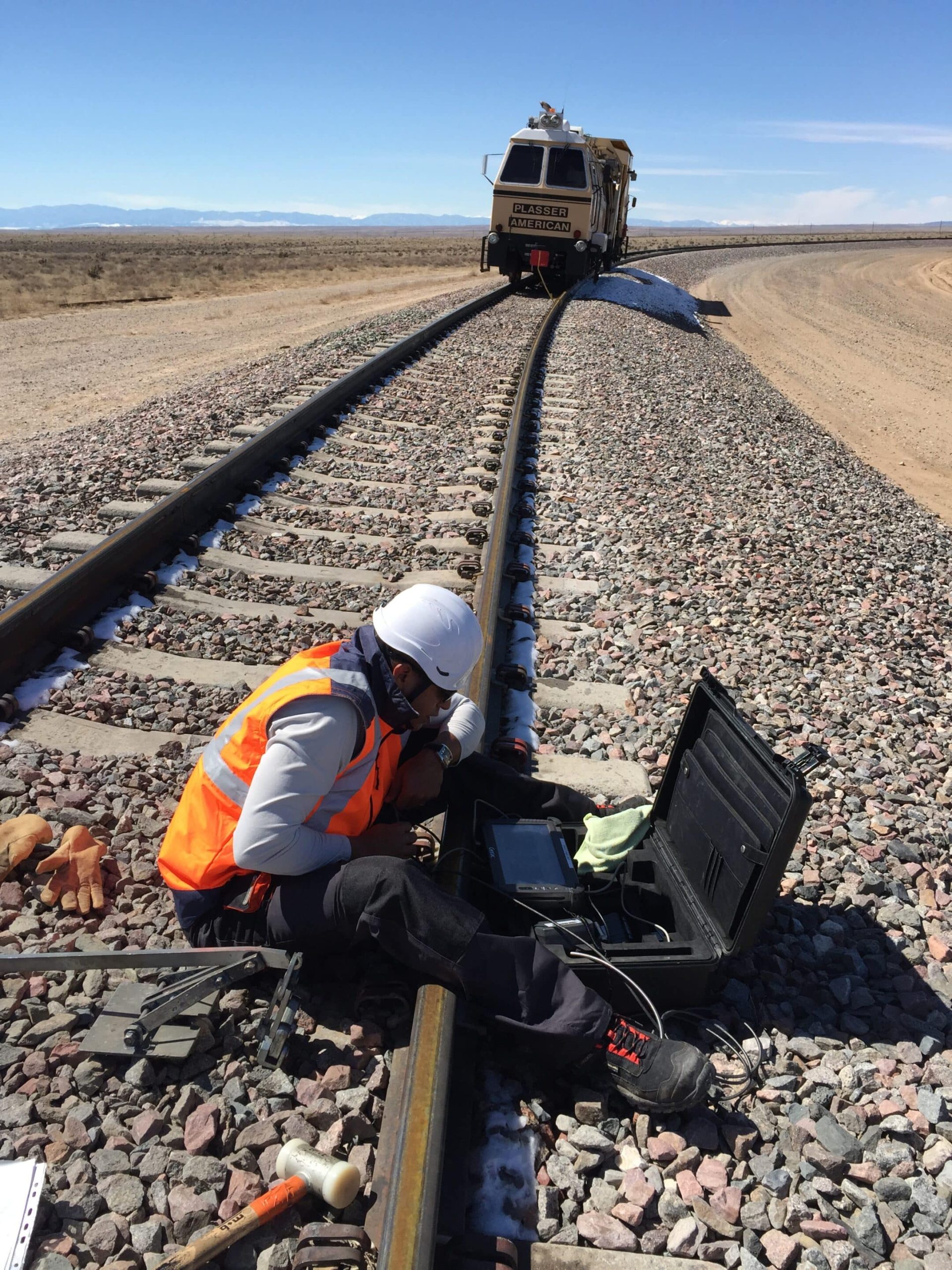
The PANDOSCOPE® couples the cone resistance vs depth profile from the PANDA Instrumented Variable Energy DCP with very high quality down the hole imagery collected by the insertion of a tiny camera into the same hole, called Geoendoscopy. The combined system is referred to as the PANDOSCOPE®. The PANDA®, PANDOSCOPE® and Geoendoscopy are all systems developed by Sol Solution. Find out more about how it works.

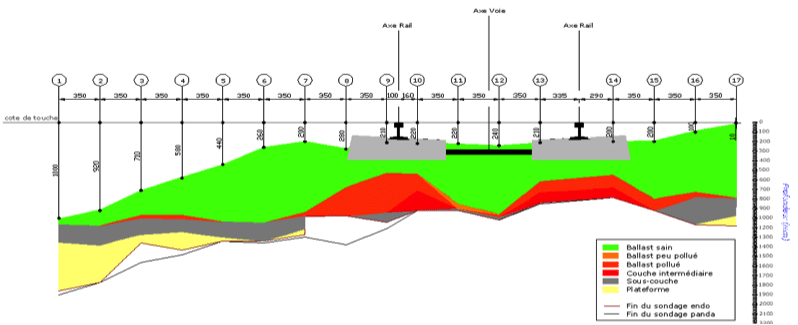
Once the PANDOSCOPE® data has been processed, the results can be presented.

The PANDOSCOPE® enables you to identify changes in layer stiffness, layer thickness, water content, condition (e.g. ballast fouling) and the estimation of the particle size distribution (PSD) or Granulometry.
Applications

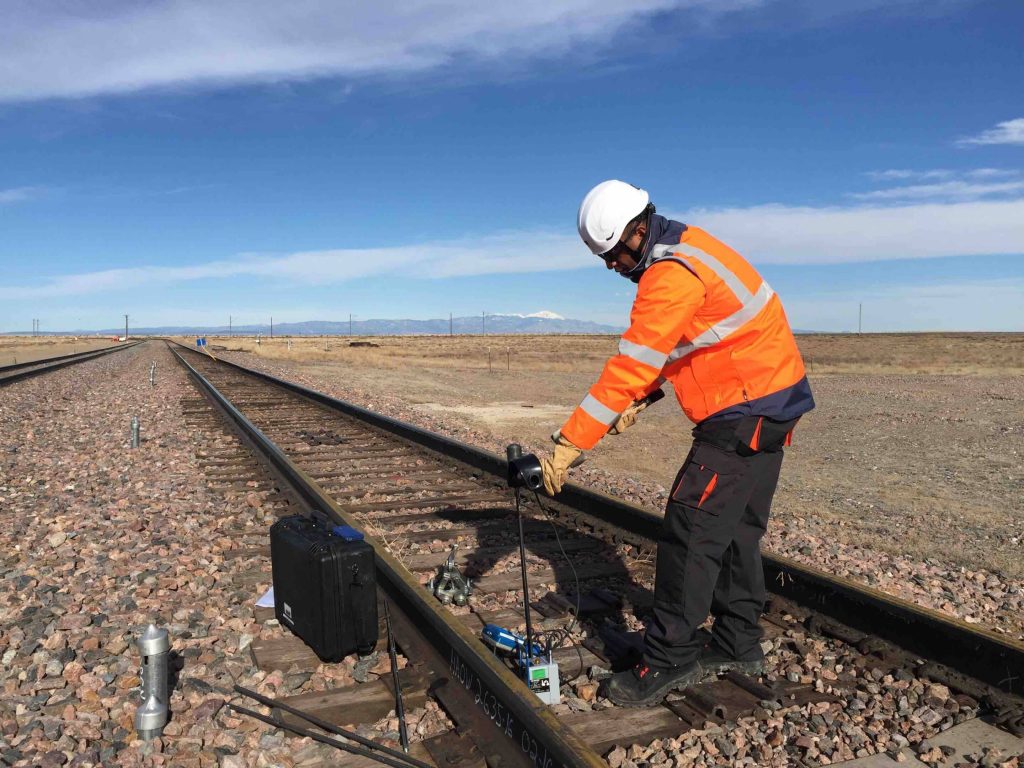
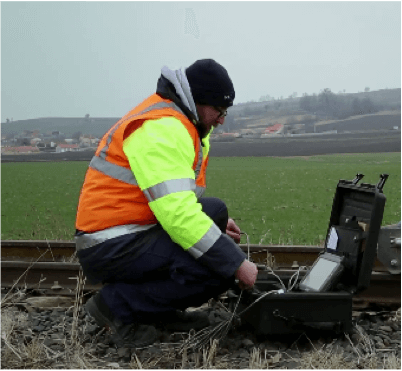
  • Rail – Non-destructive rail track ballast assessment (ballast fouling) and condition monitoring of the formation (rail track substructure layers). PANDOSCOPE® testing is also used to calibrate Ground Penetrating Radar (GPR) data and to provide more information in problem areas.
  • Pavement Investigations – In a very non-intrusive way, forensic examination of below pavement condition is possible, providing both stiffness data and also very high quality imagery allows a qualitative characterisation of the soil. This is very insightful for premature failure investigations.
  • Tunnels and underground space condition assessment – when you want to get insight below ground behind a wall in a tunnel or underground space, the PANDOSCOPE® can provide valuable insights. The ability to test at angles makes this a very versatile method.
  • Concrete segregation – using the Geoendoscopy, insight can be gleaned about any segregation that may have occurred during concrete placement and establish concrete homogeneity and particle distribution. This quick and low disturbance method allows quantification of any segregation automatically within structures and relies on the use of geoendoscopy and the automatic image processing techniques.
PANDOSCOPE Phase 1 Strength vs Depth Cone Resistance
PANDOSCOPE Phase 2 Geo-endoscope Down Hole Imagery

PANDOSCOPE® Calibration, Service and Spare Parts

  • Insitutek are proud to represent Sol Solution PANDOSCOPE® in Australia, New Zealand and the Pacific Islands and provide a very high level of client support. We offer a complete spectrum of services including after-sale technical support, servicing, repairs, and calibrations. Our service centre is also well stocked with spare parts and consumables. To find out more, Contact Us.

The PANDOSCOPE® is a coupling of the PANDA® Instrumented Dynamic Cone Penetrometer (DCP) (tip resistance vs depth profile) and Geoendoscopy (imagery from down boreholes) combined with sophisticated data presentation and analysis software.

The PANDA® Instrumented Dyamic Cone Penetrometer (DCP) involves driving a variable energy cone penetration device into the ground to collect the strength (and modulus by correlation) profile with depth. Condition monitoring of the ground layers is accomplished through insertion of a camera into the same hole, called Geoendoscopy. The combined system is referred to as the PANDOSCOPE®. The PANDA®, PANDOSCOPE® and Geoendoscopy are all systems developed by Sol Solution.

PANDOSCOPE S_27-03-16_XXXXXX_1_006_P_v2

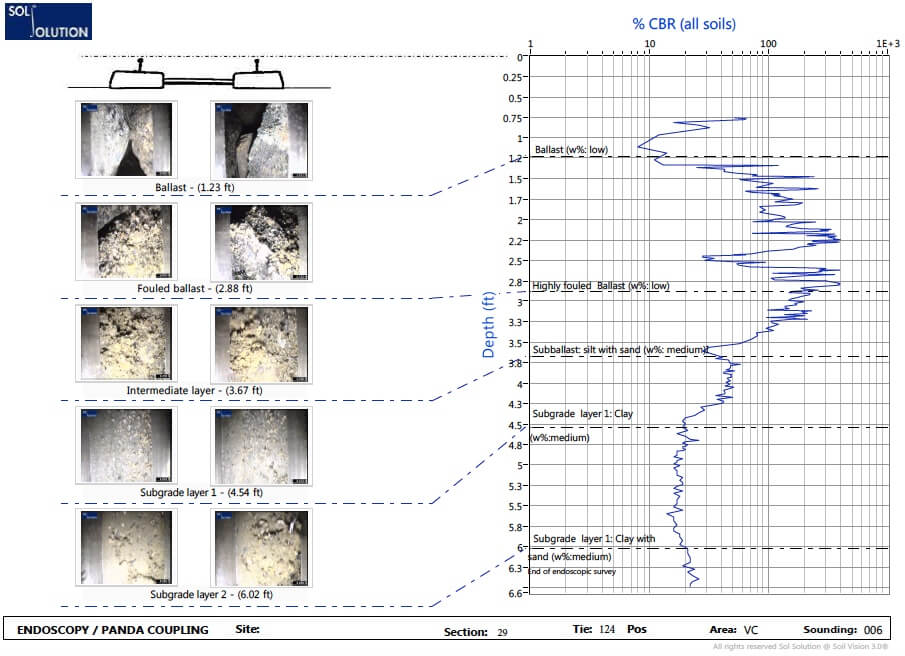
Once the PANDOSCOPE® data has been processed, the results can be presented.

The right hand chart shows the Penetrogram of the PANDA® cone resistance according to depth. In this example, the left hand window shows the stratigraphy of the layers (thickness, nature and hydrous state).

PANDA® Instrumented Dynamic Cone Penetrometer (DCP)

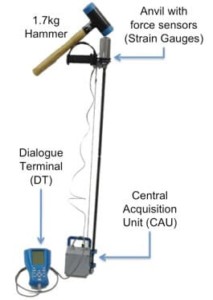
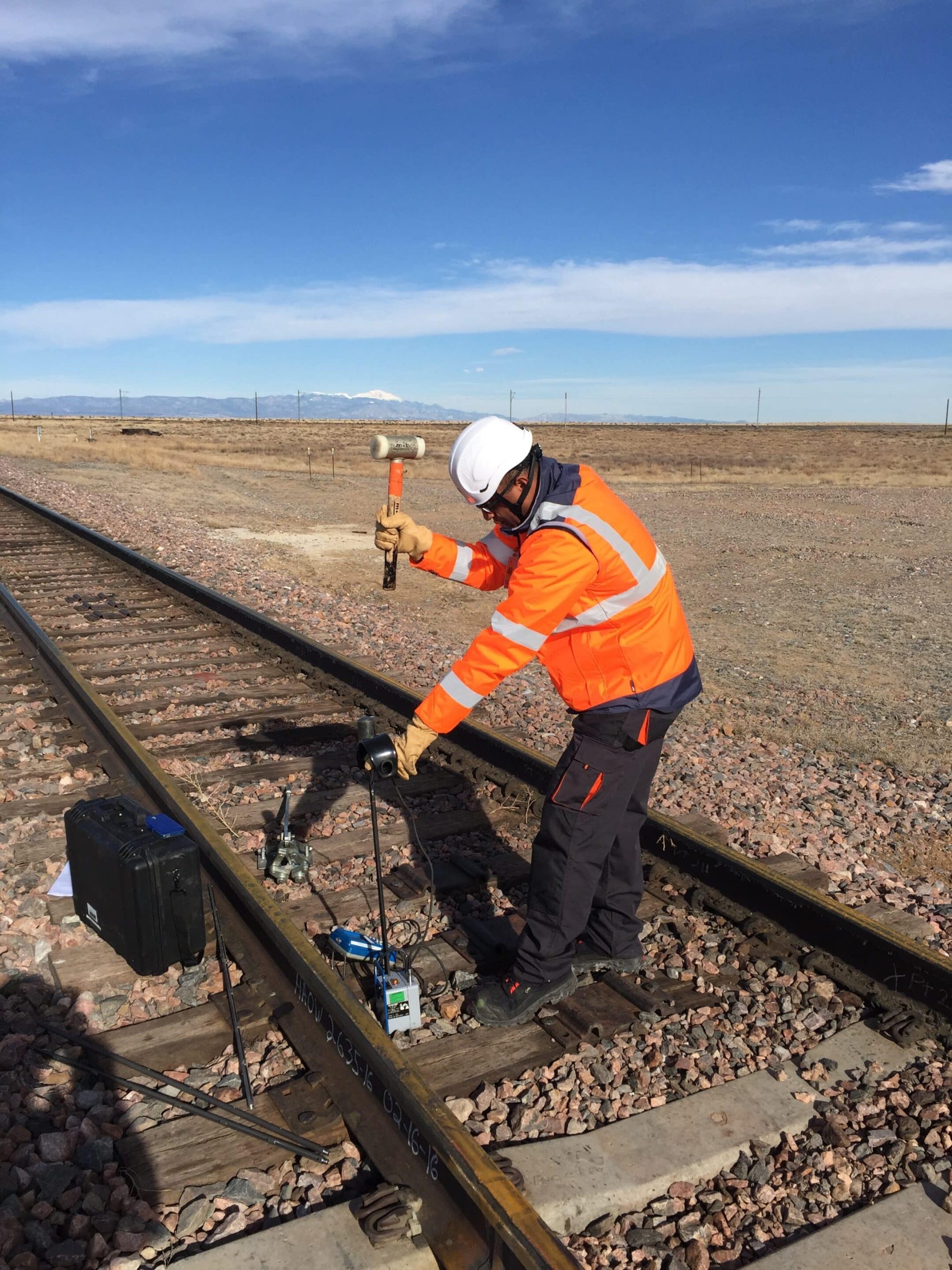
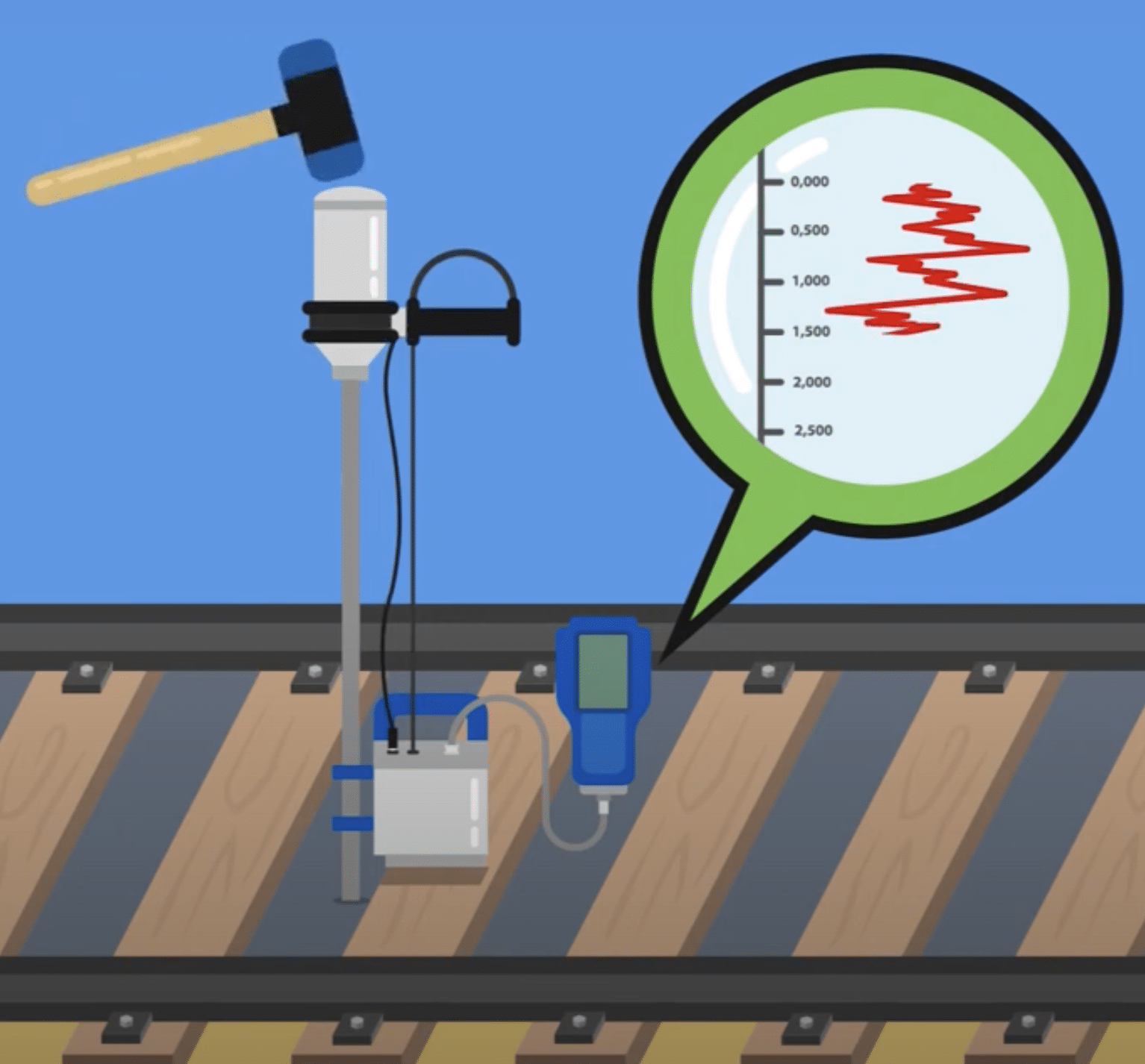
 PANDA Instrumented Dynamic Cone Penetrometer (DCP) SchematicThe PANDA® test is an instrumented variable energy dynamic penetration test. The tests consists of driving a set of steel rods equipped with a conical tip of 2cm2 cross-section through the material by hammering an Anvil with a standardised hammer. At each hammer blow, the energy is measured in the anvil with strain gauges.

Sensors measure simultaneously the settlement or vertical displacement of the cone. All the data is transmitted to the Central Acquisition Unit. The results are displayed immediately on the Dialogue Terminal as penetrograms, graphs that show the evolution of cone resistance according to depth.

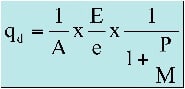
For each blow, the depth of penetration and the driving variable energy are measured to calculate the dynamic cone resistance (qd) with the corresponding depth using the Dutch Formula, shown in this figure.

  • PANDA Instrumented DCP Dutch FormulaA is the cross-sectional area of the cone
  • E is the kinetic energy fed into the system during the impact
  • e is the penetration per blow
  • P is the weight of the driven parts during impact (impact head/anvil, rods and tip)
  • M is the weight of the striking hammer

The PANDA® collects mechanical information including cone resistance (direct measurement) or CBR or other parameters with correlations. This is presented in graphical format, knows as a penetrogram.

The PANDA® is a versatile equipment with a total weight less than 20 Kg.

Geoendoscopy

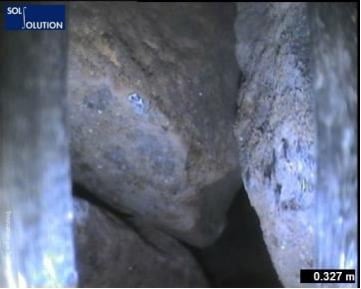
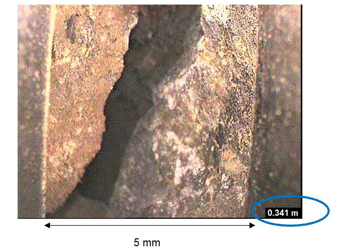
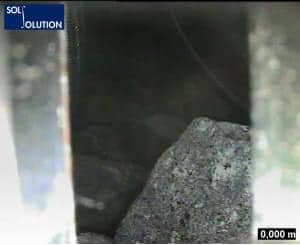
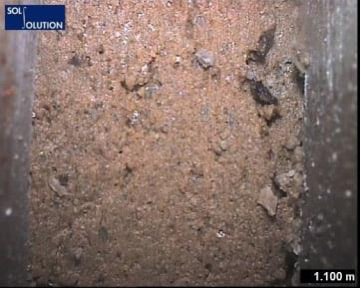
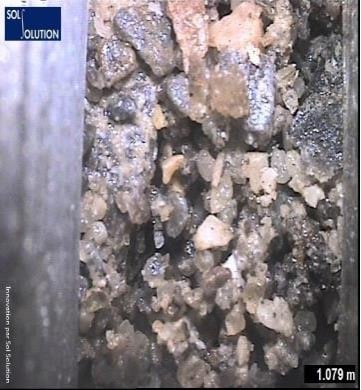
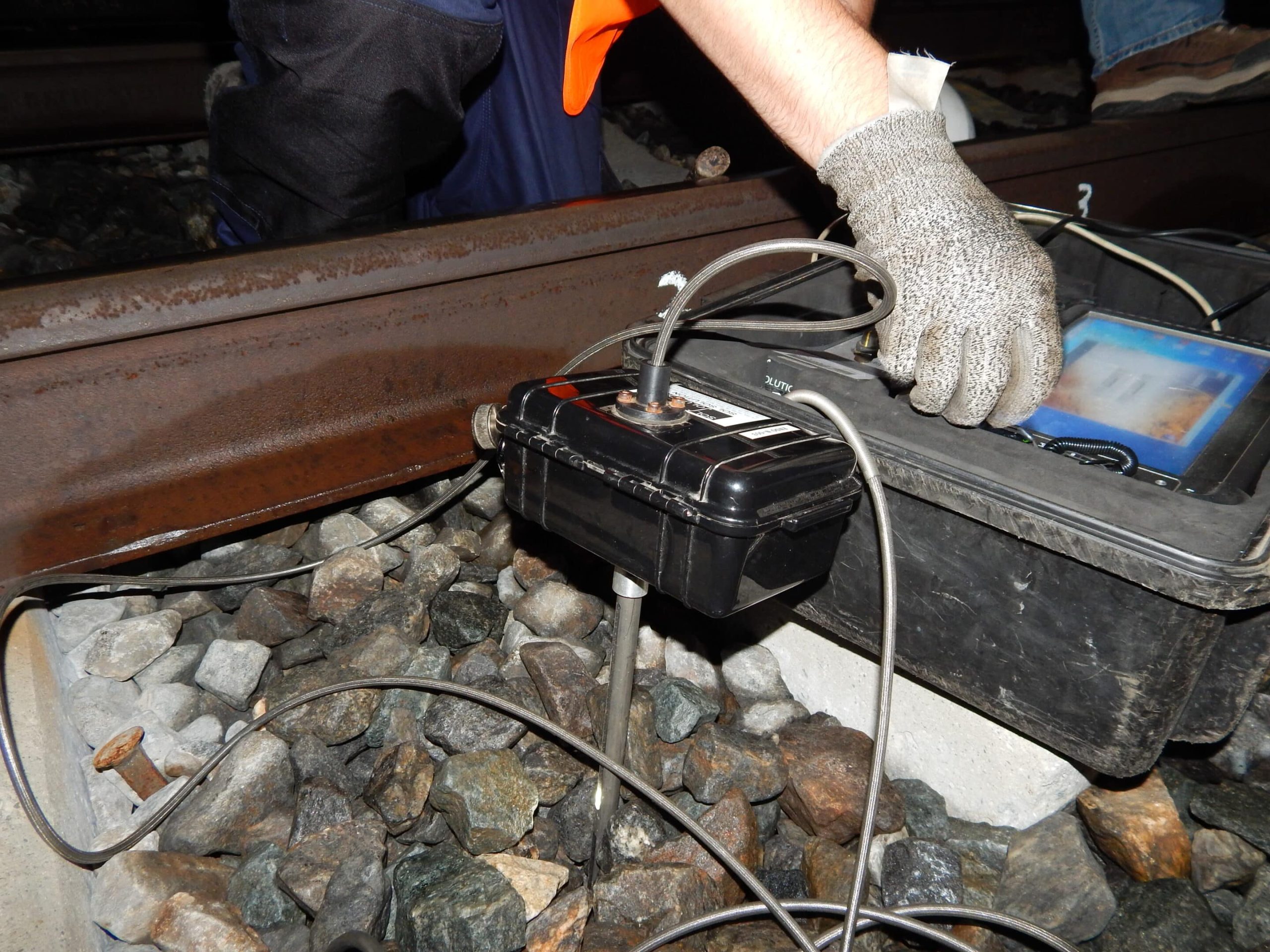
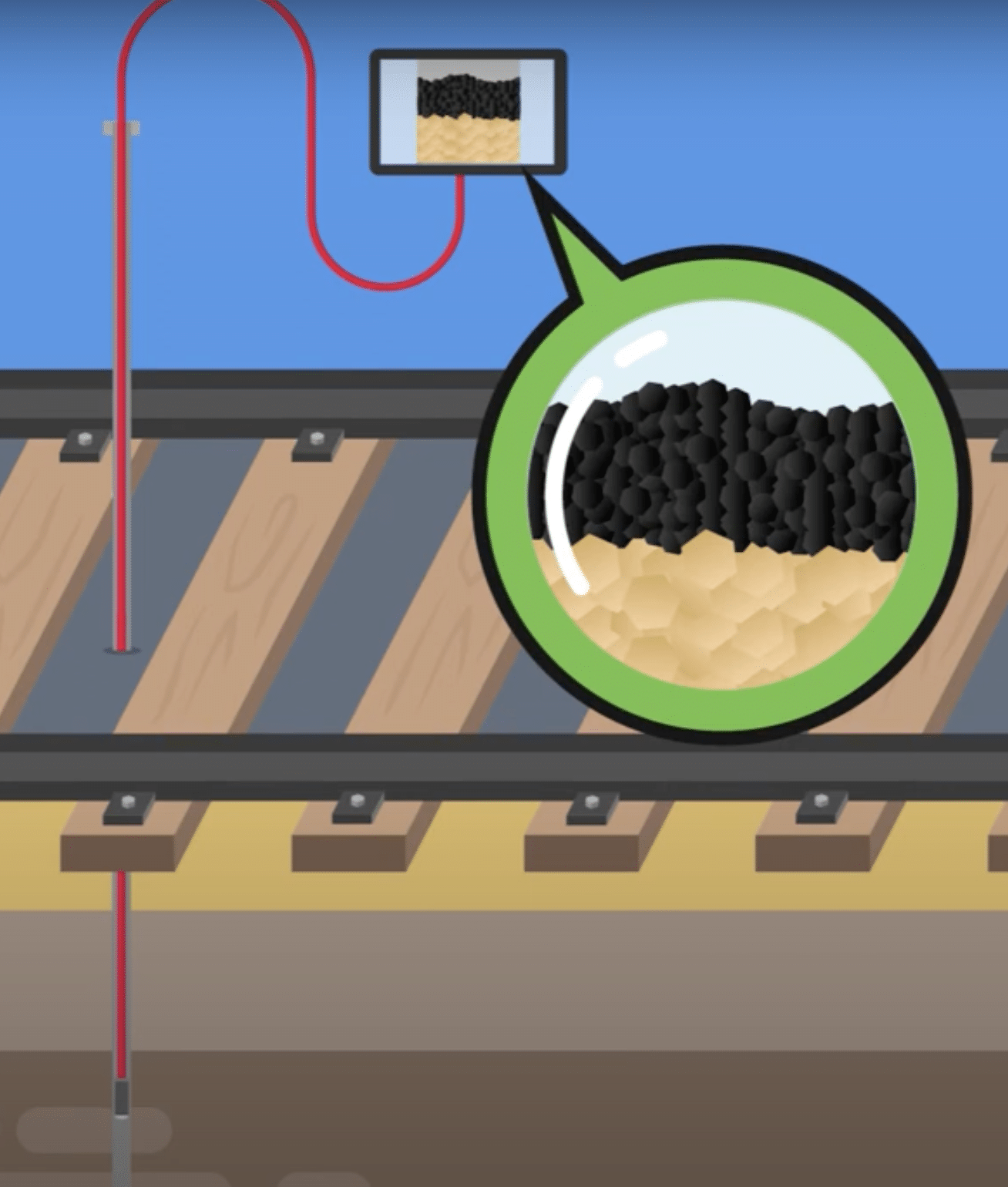
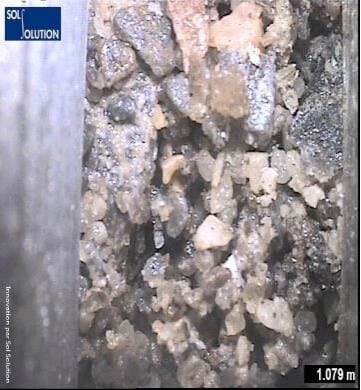
The Geoendoscopy test uses a tiny video camera (wired to a data logger with a soft cable) to observe the soil. The camera is introduced into the hole of a previously performed PANDA® DCP test (15 mm of diameter). The collection of imagery from down the hole allows a qualitative characterisation of soil.

It enables condition monitoring of the substructure layers. The layer characterisation includes layer identification, layer thickness, water content (qualitative), material condition and even the estimation of the particle size distribution (Granulometry).


-

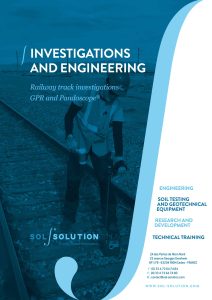
PANDOSCOPE Ballast Fouling and Rail Track Formation Profile Brochure

Categories: Brochures

Published: 01/06/2022

Keywords: Ballast & Formation Condition Assessment

Statistical analysis of cone penetration resistance of railway ballast - Gilles Saussine, Amine Dhemaied, Quentin Delforge and Selim Benfeddoul SNCF Réseau 2017

Statistical analysis of cone penetration resistance of railway ballast - Gilles Saussine, Amine Dhemaied, Quentin Delforge and Selim Benfeddoul SNCF Réseau 2017

Categories: Research Papers

Topics: Rail

Published: 01/06/2017

Dynamic penetrometer tests are widely used in geotechnical studies for soils characterization but their implementation tends to be difficult. The light penetrometer test is able to give information about a cone resistance useful in the field of geotechnics and recently validated as a parameter for the case of coarse granular materials. In order to characterize directly the railway ballast on track and sublayers of ballast, a huge test campaign has been carried out for more than 5 years in order to build up a database composed of 19,000 penetration tests including endoscopic video record on the French railway network. The main objective of this work is to give a first statistical analysis of cone resistance in the coarse granular layer which represents a major component of railway track: the ballast. The results show that the cone resistance (qd) increases with depth and presents strong variations corresponding to layers of different natures identified using the endoscopic records. In the first zone corresponding to the top 30cm, (qd) increases linearly with a slope of around 1MPa/cm for fresh ballast and fouled ballast. In the second zone below 30cm deep, (qd) increases more slowly with a slope of around 0,3MPa/cm and decreases below 50cm. These results show that there is no clear difference between fresh and fouled ballast. Hence, the (qd) sensitivity is important and increases with depth. The (qd) distribution for a set of tests does not follow a normal distribution. In the upper 30cm layer of ballast of track, data statistical treatment shows that train load and speed do not have any significant impact on the (qd) distribution for clean ballast; they increase by 50% the average value of (qd) for fouled ballast and increase the thickness as well. Below the 30cm upper layer, train load and speed have a clear impact on the (qd) distribution.

Keywords: Ballast & Formation Condition Assessment, PANDA® Instrumented DCP, PANDOSCOPE

USE-OF-VARIABLE-ENERGY-PENETROMETER-IN-PERFORMANCE-ASSESSMENT-OF-WORKING-PLATFORMS-CONSTRUCTED-WITH-LARGE-SIZE-UNCONVENTIONAL-AGGREGATES-Kazmee-Tutumluer-Haddani-Navarrete-Gourves-2016

Use Of Variable Energy Penetrometer And Geo-Endoscopic Imaging In Performance Assessment Of Working Platforms Constructed With Large Size Unconventional Aggregates – Hasan Kazmee, Erol Tutumluer, Younes Haddani, Miguel A. Benz Navarrete & Roland Gourves (June 2016)

Categories: Research Papers

Topics: Temporary Works Platforms – Mobile Crane Pad and Piling Rig Working Platforms

Published: 01/06/2016

Transportation agencies commonly use large size aggregates, often referred to as rock cap or aggregate subgrade, e.g., by Illinois Department of Transportation (IDOT), for stabilizing weak subgrades at wet of optimum moisture states. Adequate characterization of these large rocks is not possible in the laboratory with the use of standard tests. Accordingly, a cone penetration based strength index is the best field assessment tool since shear strength profile is closely linked to unbound aggregate or aggregate subgrade layer performance. To this end, an innovative variable energy dynamic cone penetration (DCP) device, popularly known as PANDA in France, was utilized in a recent Illinois Center for Transportation (ICT) research study involving the performance assessment of large size aggregates over soft subgrades. Twelve full scale working platform sections were constructed with six different types of virgin and recycled large size aggregate materials. Accelerated pavement testing (APT) was carried out on these sections to monitor the rutting progression with number of passes of a certain wheel load assembly. To evaluate layer properties and adequately relate them to rutting performance, PANDA tests were conducted along with traditional DCP soundings on the loading applied pavement test section centerlines.


A Geo-endoscopic probe was also used in the holes opened by the PANDA tests to identify layer interfaces and visually document subsurface moisture conditions. The PANDA and Geo-endoscopy testing has proven very beneficial in the performance assessment of the large size aggregate subgrade materials under simulated traffic loading.

This paper presents current detailed technical knowledge on the PANDA and Geo-endoscopy test equipment and highlights field results associated with the recent ICT project soundings conducted in the pavement working platform test sections.

Keywords: PANDA® Instrumented DCP, PANDOSCOPE

Trackbed Mechanical and Physical Characterization using PANDA Geoendoscopy Coupling - Younes Haddani, Pierre Breul, Gilles Saussine, Miguel Angel Benz Navarrete, Fabien Ranvier and Roland Gourvès (2016)

Categories: Research Papers

Topics: Rail

Published: 01/01/2016

The principal issues of the asset manager are how to prioritize maintenance/renewal works and how to provide engineering teams with reliable geotechnical data for track design on revenue service lines. Indeed, if we can master rail and sleeper specifications, railway natural trackbed remain very variable and difficult to characterize.

As a matter of fact, the knowledge of mechanical and physical properties of existing subgrade and sub ballast layers is very important for the future track design. Such data can be acquired through geotechnical tests. However, the majority of classical geotechnical tests can be difficult to carry out on revenue service lines because of existing railway constraints (limited possession times, track access, no destabilization of the track…).

Hence, this article presents a new methodology for railway track characterization using light and cost effective tests, based on the coupled use of the PANDA® dynamic penetration tests and geoendoscopy. The goal of this methodology is to provide to the asset manager key point indicator helping with the optimization of the maintenance and renewal strategy

Keywords: Ballast & Formation Condition Assessment, PANDA® Instrumented DCP, PANDOSCOPE

Unsaturated-Railway-Track-bed-Materials-Yu-Jun-Cui-2016.pdf

Categories: Research Papers

Topics: Rail

Published: 01/01/2016

Keywords: Ballast & Formation Condition Assessment, PANDA® Instrumented DCP, PANDOSCOPE

Performance Evaluations of Pavement Working Platforms Constructed with Large Sized Unconventional Aggregates

Performance Evaluations of Pavement Working Platforms Constructed with Large-Sized Unconventional Aggregates – H Kazmee & E Tutumluer, University of Illinois & D Mishra, Boise State University – 2015

Categories: Research Papers

Topics: Temporary Works Platforms – Mobile Crane Pad and Piling Rig Working Platforms

Published: 01/01/2015

Use of unconventional aggregate materials, such as primary crusher run and concrete demolition waste, have become viable for the construction of pavement working platforms over very weak and often wet subgrade soils. To this end, a research study was undertaken at the Illinois Center for Transportation to evaluate the adequacy and field performances of such large-sized aggregate materials and validate new material specifications.

A state-of-the-art image analysis technique was utilized to characterize the size and morphological properties, e.g. shape, texture and angularity of two large-sized aggregates, referred to herein as primary crusher run and crushed concrete. For the field evaluation, full-scale test sections were constructed with these large-sized aggregate materials over a very weak engineered subgrade and subjected to accelerated pavement testing. Construction quality control was achieved through in-place density and modulus measurements on conventional aggregate capping surface layers using nuclear gauge, lightweight deflectometer and soil stiffness gauge type devices. Periodic rut measurements were carried out on the pavement surface throughout the accelerated loading process using an Accelerated Transportation Loading Assembly (ATLAS). Contributions of the underlying pavement layers to the total rut accumulation was evaluated through innovative applications of ground penetrating radar (GPR), a light weight penetrometer device, known as the French Panda, as well as a geo- endoscopy probe. Layer intermixing and material migration at the aggregate subgrade and subgrade interface was found to improve the layer stiffness and pavement performance results significantly.

Keywords: PANDA® Instrumented DCP, PANDOSCOPE

New diagnosis methodology for old tunnels in service – P Bruel, P Goirand & Y Haddani – TUNNELS ET ESPACE SOUTERRAIN – No.245 – Oct 2014

Categories: Research Papers

Topics: Tunnels & Underground Spaces Condition Assessment

Published: 01/10/2014

Given the issues surrounding the long­term future of ageing underground structures, agencies responsible for these struc­tures need to optimize their maintenance policy. This involves a better evaluation of deterioration in structures and their ability to perform their function over time.

Based on geophysical testing and non­aggressive probes, this PANDOSCOPE methodo­logy offers quantitative evaluation of the condition of masonry, the state of contact between the structure and the surrounding terrain, and a description of the surrounding terrain and its variability. Based on properties obtained using this new ins­pection method, a scoring system for structures was defined in order to prioritize maintenance works.

At the same time, mo­delling work incorporating this data was performed in order to study the behaviour of the structures once the deterioration and properties measured on site had been integrated. Development and validation of this research was performed using actual structures on the RATP metro network in Paris. This paper pre­sents the whole of the fully­ developed diagnosis methodology for these structures, and its application to an actual structure.

Keywords: Ballast & Formation Condition Assessment

Railroad Subgrade Support and Performance Indicators – Research Report KTC-12-02/FR136-04-6F – Michael Henry & Jerry Rose – University of Kentucky

Categories: Research Papers

Topics: Rail

Published: 01/02/2012

The subgrade is an integral component of the track structure and its performance properties must be considered in order to effectively assess its influence on subsequent track quality. European and Asian railways are particularly advanced in implementing subgrade performance indicators into their track designs and assessments. As train speed and tonnage increase in the U.S., the evaluation and influence of subgrade performance will become even more paramount.

There are numerous means of measuring and predicting subgrade performance. Both laboratory and in-situ test methods have been used. A review of available testing methods is presented herein in the context of railroad subgrade assessment. Discussion on the applicability of each test to the American railroad industry is also included. In-situ tests likely provide the greater advantage in railway engineering because results can typically be obtained quickly, more cost effectively, and with a larger data set. Newer rail-bound, continuous testing devices, while not testing the subgrade directly, are extremely convenient and will likely become more common in the future.

Keywords: Ballast & Formation Condition Assessment, PANDA® Instrumented DCP, PANDOSCOPE

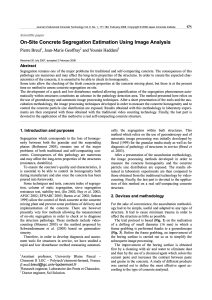
On-site Concrete Segregation Analysis using Image Analysis – Journal of Advanced Concrete Technology Vol 6 – P Bruel, J-M Geoffray & Y Haddani – Feb 2008

Categories: Research Papers

Topics: Concrete Segregation

Published: 02/02/2008

Segregation remains one of the major problems for traditional and self-compacting concrete. The consequences of this pathology are numerous and may affect the long-term properties of the structures. In order to ensure the expected characteristics of the concrete, it is essential to be able to check its homogeneity.

Some tests allow the checking of the fresh concrete properties at the concrete mixing plant, but there is at the present time no method to assess concrete segregation on site.

The development of a quick and low disturbance method allowing quantification of the segregation phenomenon automatically within structures constitutes an advance in the pathology detection area. The method presented here relies on the use of geoendoscopy and automatic image processing techniques. After a short presentation of the tools and the auscultation methodology, the image processing techniques developed in order to measure the concrete homogeneity and to control the concrete particle size distribution are exposed.

Results obtained with this methodology in laboratory experiments are then compared with those obtained with the traditional video counting technology. Finally, the last part is devoted to the application of this method to a real self-compacting concrete structure.

Keywords: Ballast & Formation Condition Assessment

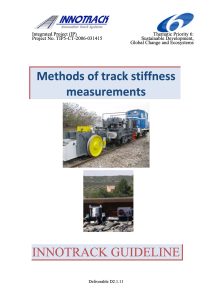
Methods of Track Stiffness Measurements – INNOTRACK GUIDELINE – Project No. TIP5-CT-2006-031415 (2006)

Categories: Research Papers

Topics: Rail

Published: 01/01/2006

Vertical track stiffness is an important parameter in railway track engineering, both from a design and maintenance point of view. This guideline presents important aspects of track stiffness as well as different measurement methods to gather stiffness information of the track.


A method called Panda, for determining local track stiffness has been used and developed. Panda is a lightweight penetrometer which determines the cone-resistance of the layers of the track substructure rapidly.

Keywords: Ballast & Formation Condition Assessment, PANDA® Instrumented DCP, PANDOSCOPE

Importance-of-geotechnical-diagnosis-in-railway-management-A-review

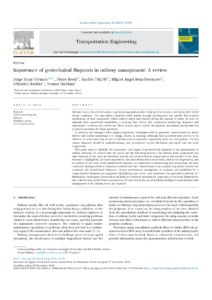
Importance of geotechnical diagnosis in railway management - a review

Categories: Research Papers

Topics: Rail

Railway tracks, like all civil works, experience degradation after being put into service, thus losing their initial design conditions. This degradation manifests itself mainly through misalignment and specific deterioration mechanisms of each component, which reduces safety and comfort during the passage of trains. In order to maintain their operational capabilities or prolong their service life, continuous monitoring, diagnosis and maintenance processes are carried out. These actions aim to restore the physical, mechanical and geometrical properties necessary for track operation.

In practice, rail managers often employ hegemonic techniques such as geometric measurements to detect defects and routine maintenance to realign, known as tamping. Although these practices have proven to be effective, in some cases they do not technically and economically competently solve the root problem. For this reason, diagnosis should be multidisciplinary and incorporate various disciplines associated with the track components.

This paper aims to highlight the importance and impact of geotechnical diagnosis in the management of railway networks. To achieve this, the Article has the following structure: (a) Railway track components: the main elements of the track are described and the role of geotechnical components in the stability of the infrastructure is highlighted, (b) Track degradation: The main deterioration of the track, such as loss of geometry, and its relation to the wear of the geotechnical elements are addressed, (c) Monitoring and monitoring: the most commonly used geotechnical inspection methods and their effectiveness in the analysis of granular material are presented, (d) Geotechnical diagnosis: Current maintenance management is analyzed and guidelines for a comprehensive diagnosis are suggested, highlighting cases where poor assessment has generated problems, (e) Maintenance techniques: Preservation methods are reviewed, stressing the importance of accurate diagnosis for their effectiveness, and (f) Future perspectives: Trends such as the use of artificial intelligence and advanced data management in the railway sector are explored.

https://www.sciencedirect.com/science/article/pii/S2666691X24000678?via%3Dihub

Keywords: PANDOSCOPE

PANDOSCOPE Implementation Partner Training – STATS and 4DG – Rail Applications

Insitu Test recently completed PANDOSCOPE® training for our WA Implementation Partners, STATS Australia and 4DGeotechnics. The PANDOSCOPE® is a coupling of the PANDA® Instrumented Dynamic Cone Penetrometer (DCP) (tip resistance...

Harsh Pilbara heavy haul rail conditions puts PANDOSCOPE® to the test

There is nothing like jumping in at the deep end! With buy in from Fortescue Metals Group, BHP and Rio Tinto, we brought together our supply partner, Sol Solution from France, and the...

Top 10 trends in Site Investigation and Geotechnical Testing

We find our clients are increasingly demanding more accurate and more representative results that provide better insight on what’s going on below the surface when they are designing or constructing...

Railway track characterization with coupled use of PANDA® DCP and Geo-endoscopy – a new technique

The PANDOSCOPE® is a ‘new' non-destructive method of railway ballast condition assessment, which uses light and cost effective tests, based on the coupled use of the PANDA® dynamic cone penetrometer (a sophisticated DCP)...

Trusted by our clients

Trusted by our partners

Insitutek Blogs