- Make better informed immediate decisions on when to re-opened the road to traffic after laying fresh asphalt, according to “Notes on re-opening asphalt pavements to traffic” (H VVA), FGSV Germany – 2022
- Determination of the elastic surface deformation and deformation modulus Evd Asphalt
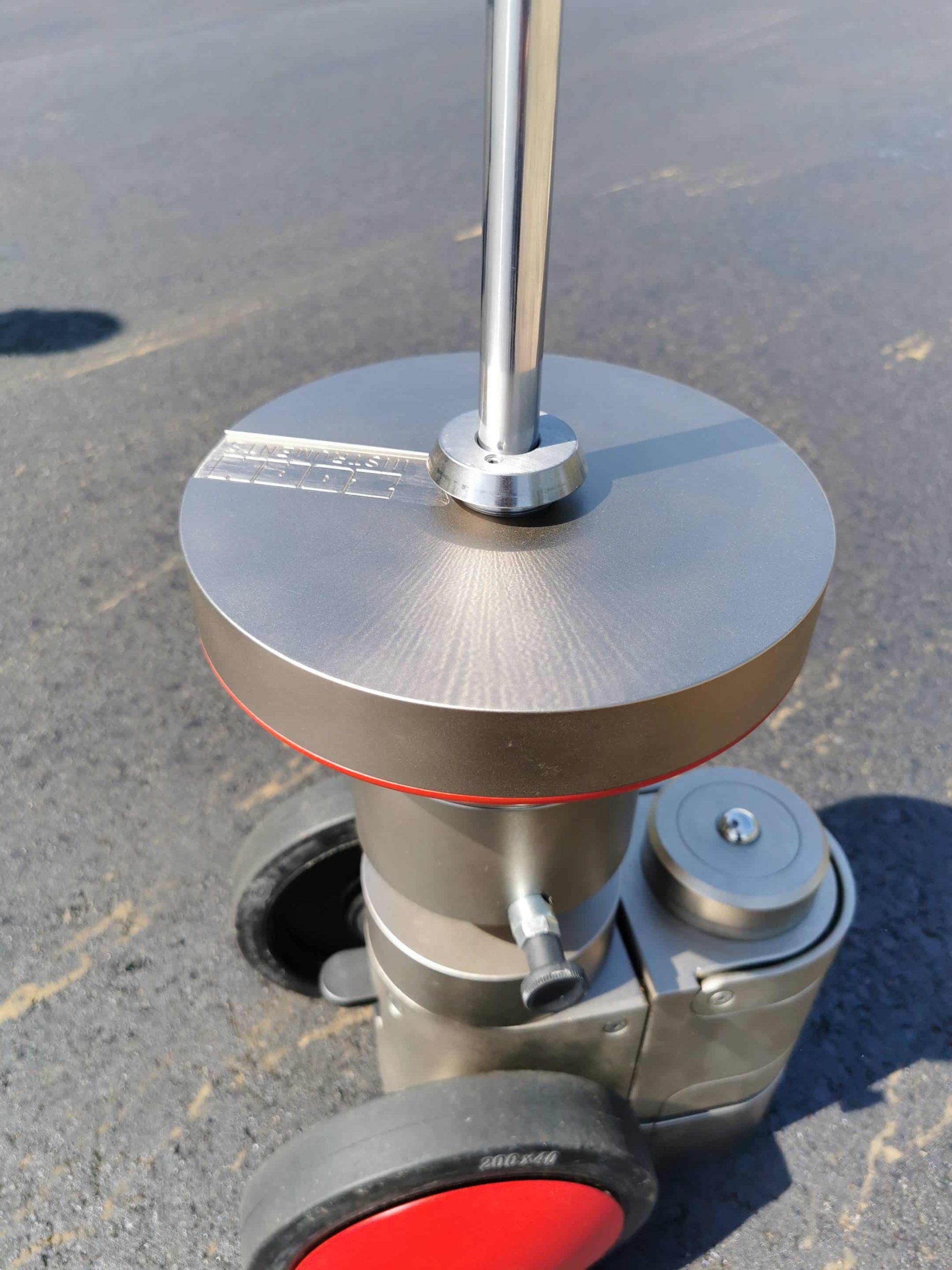
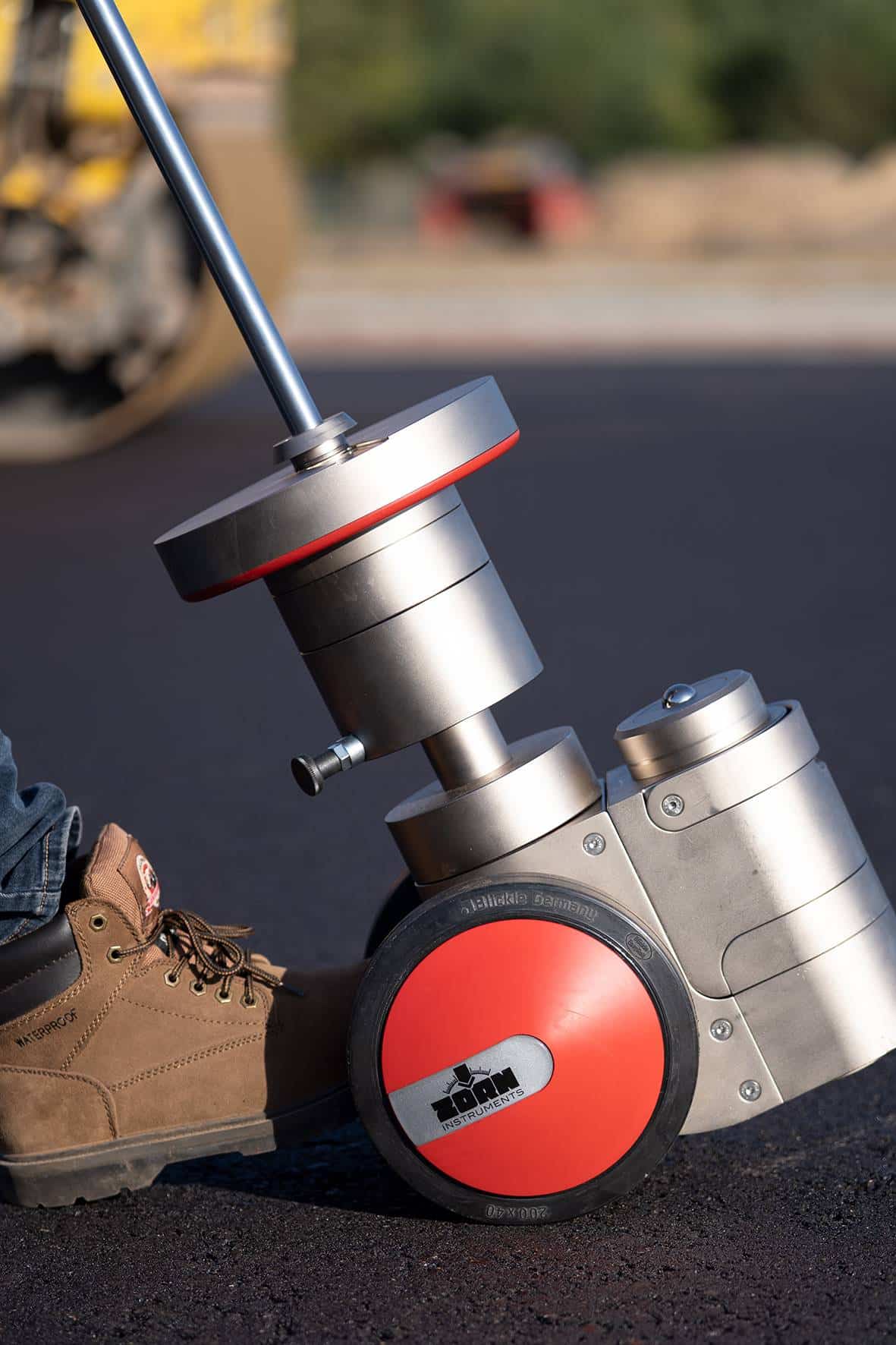
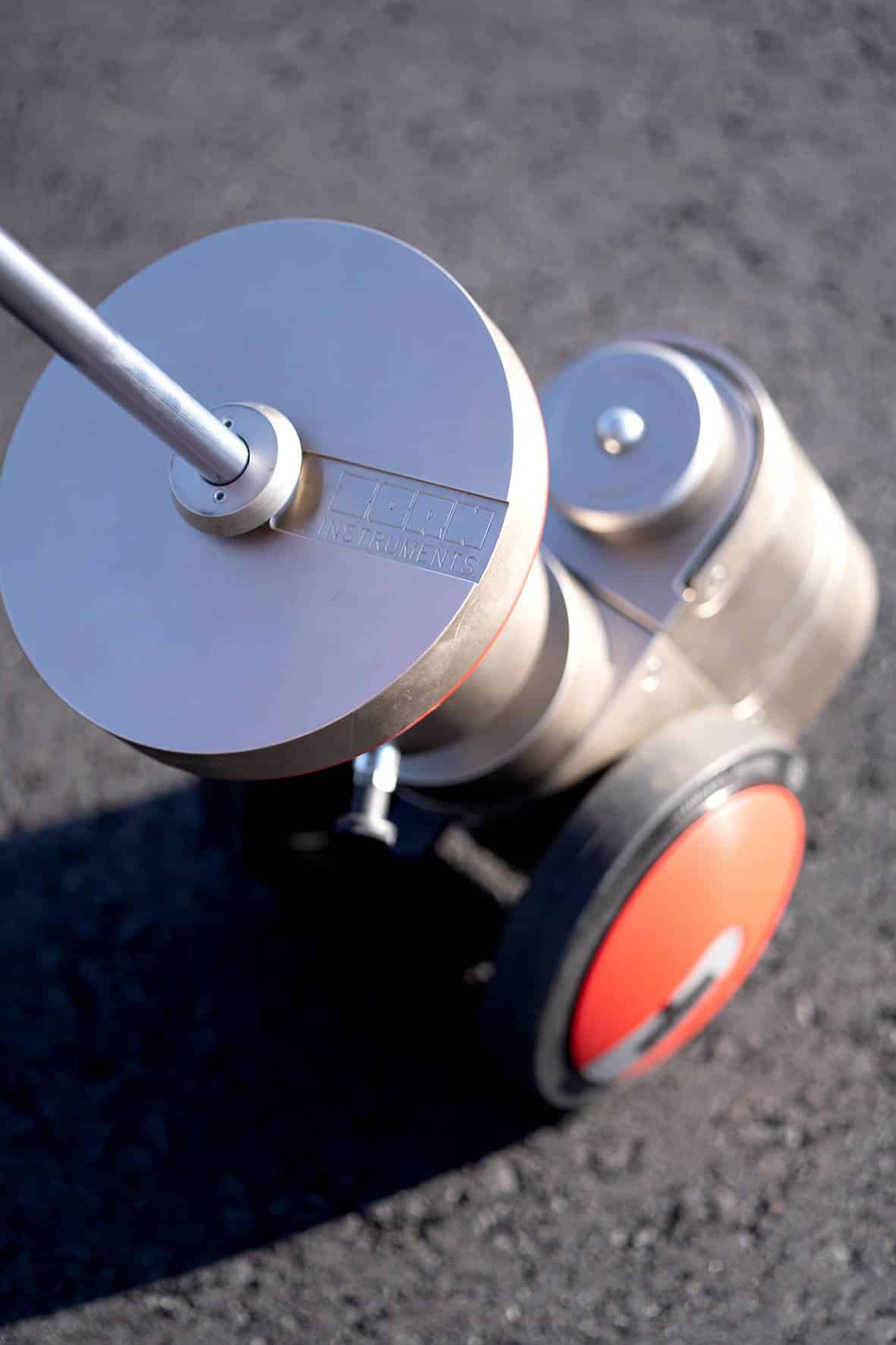
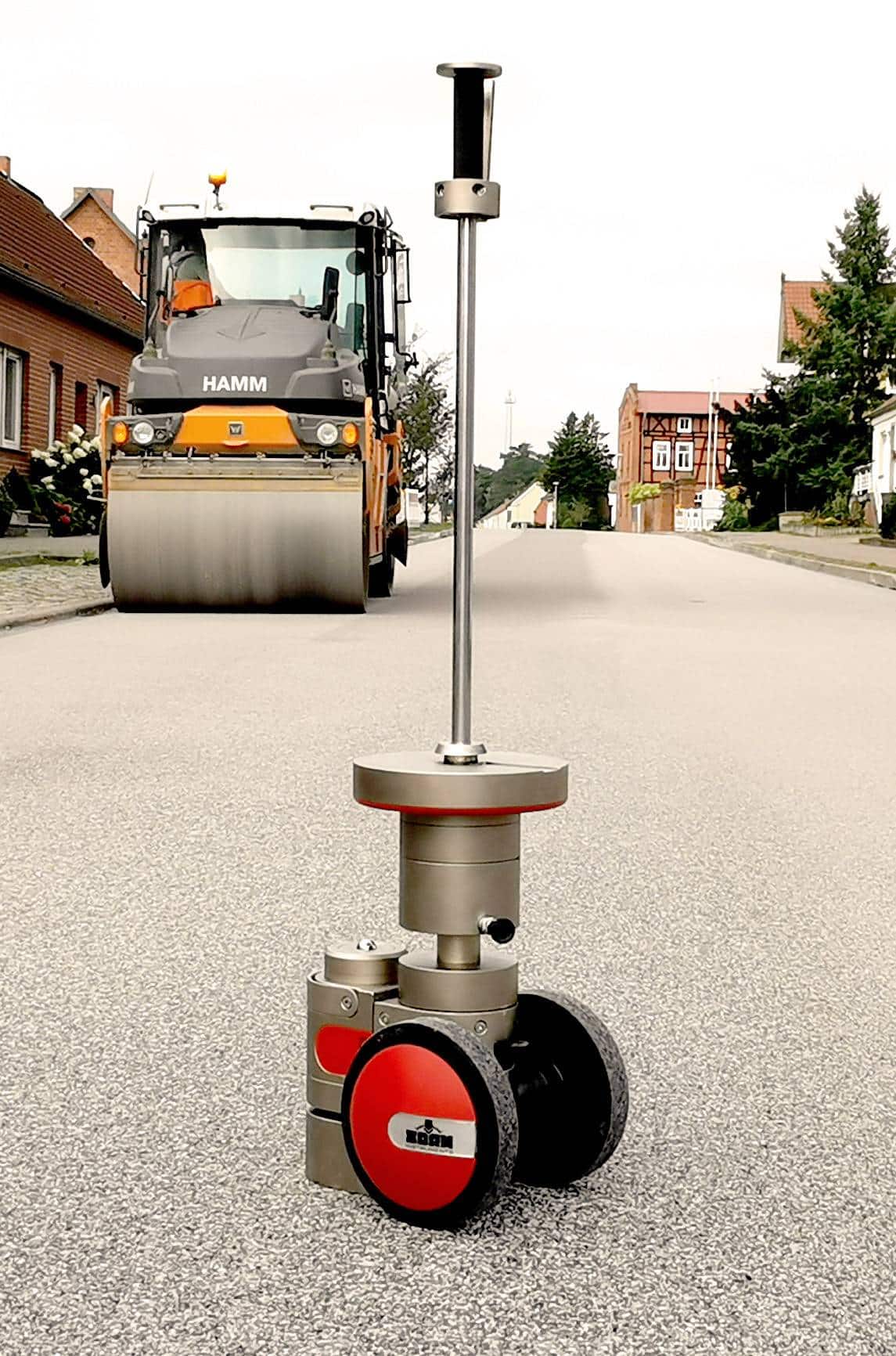
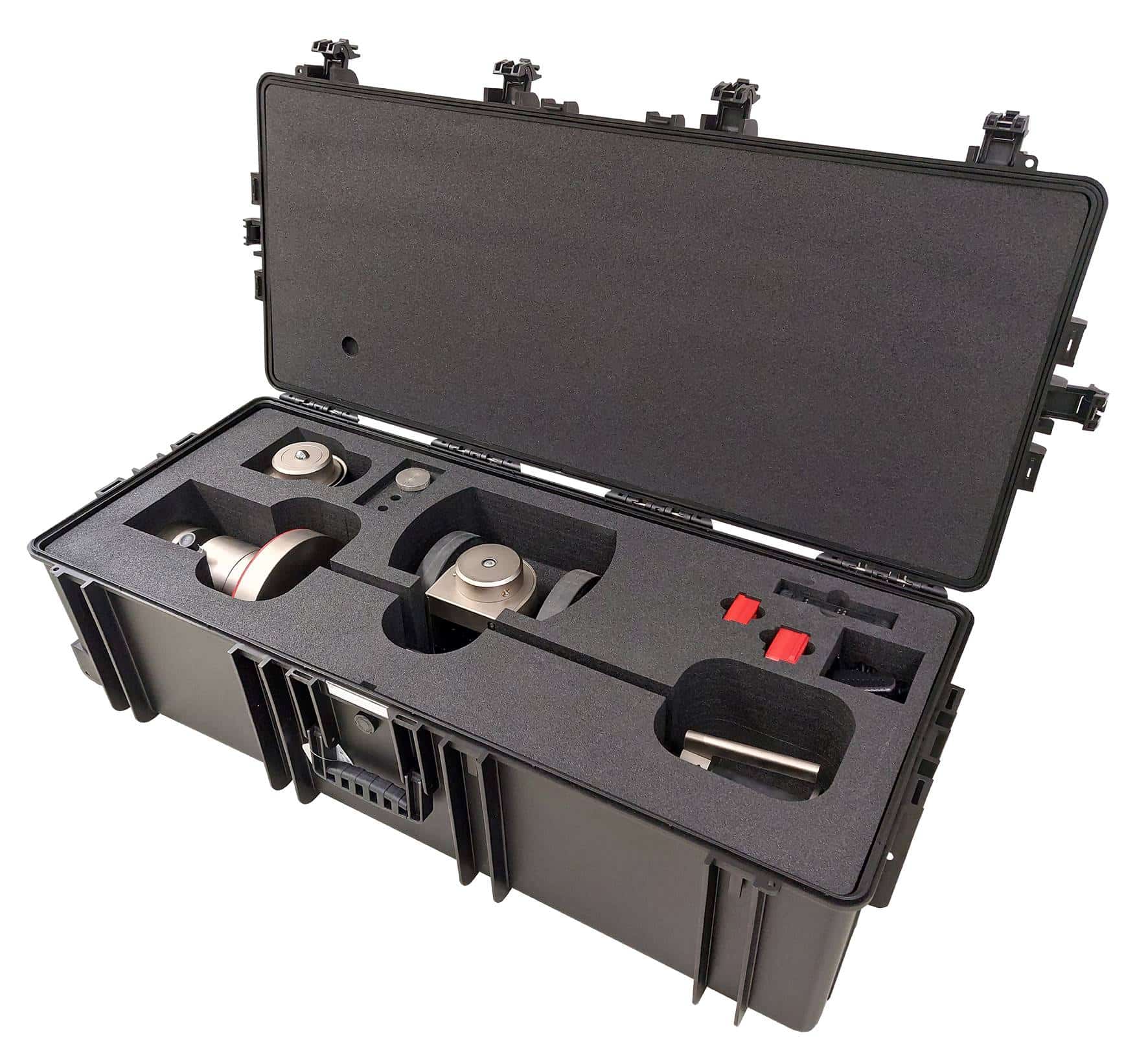
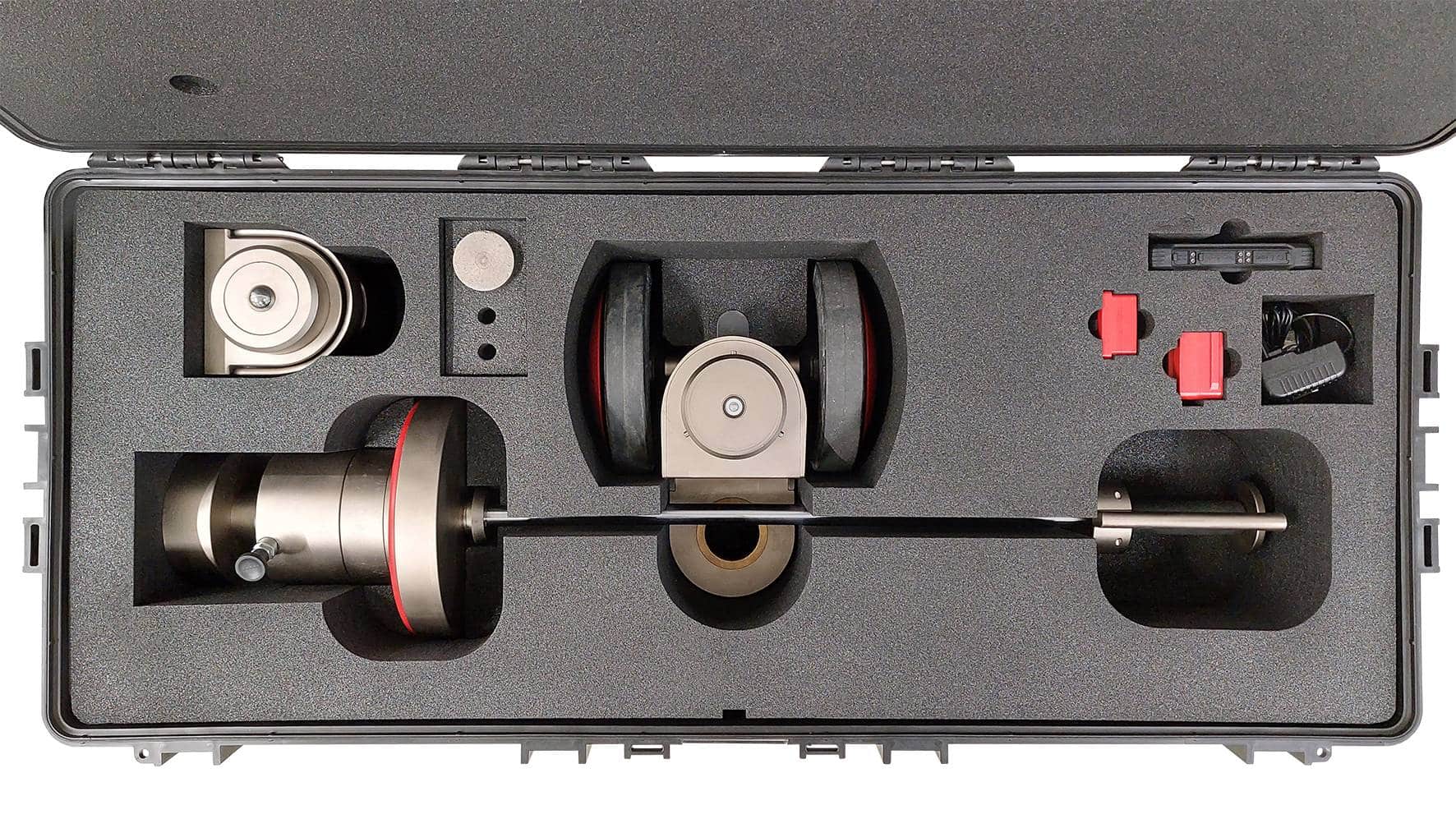
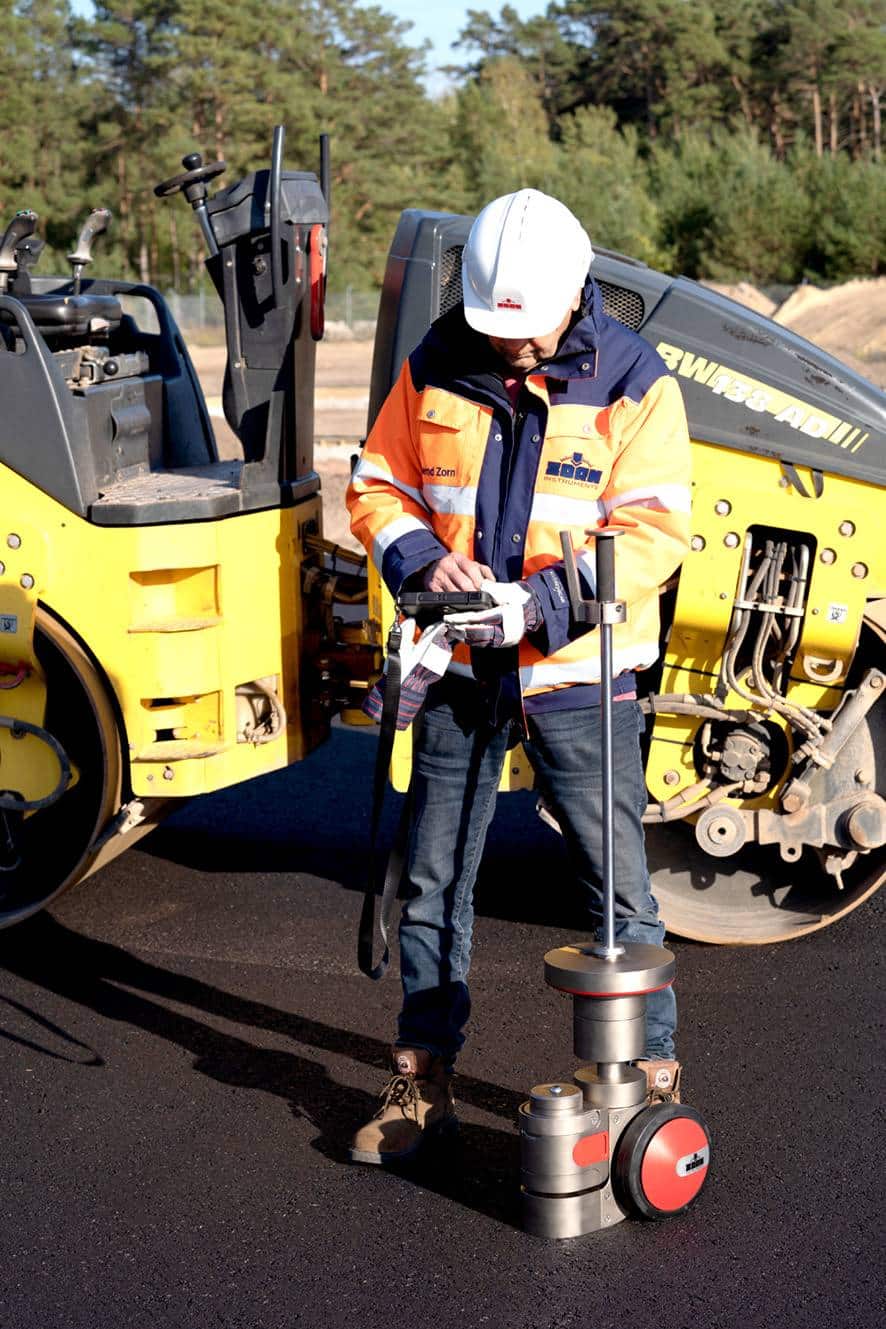
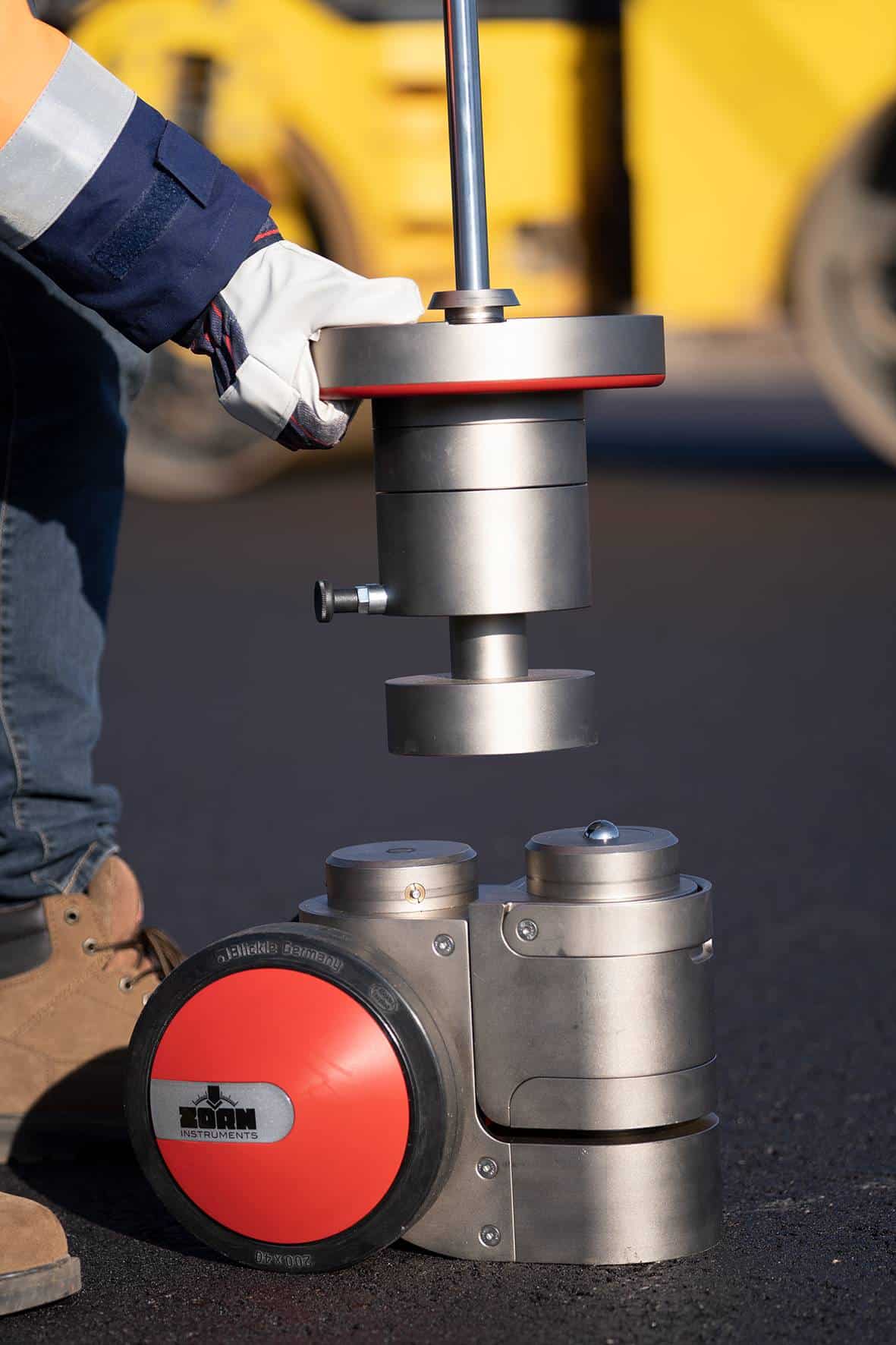
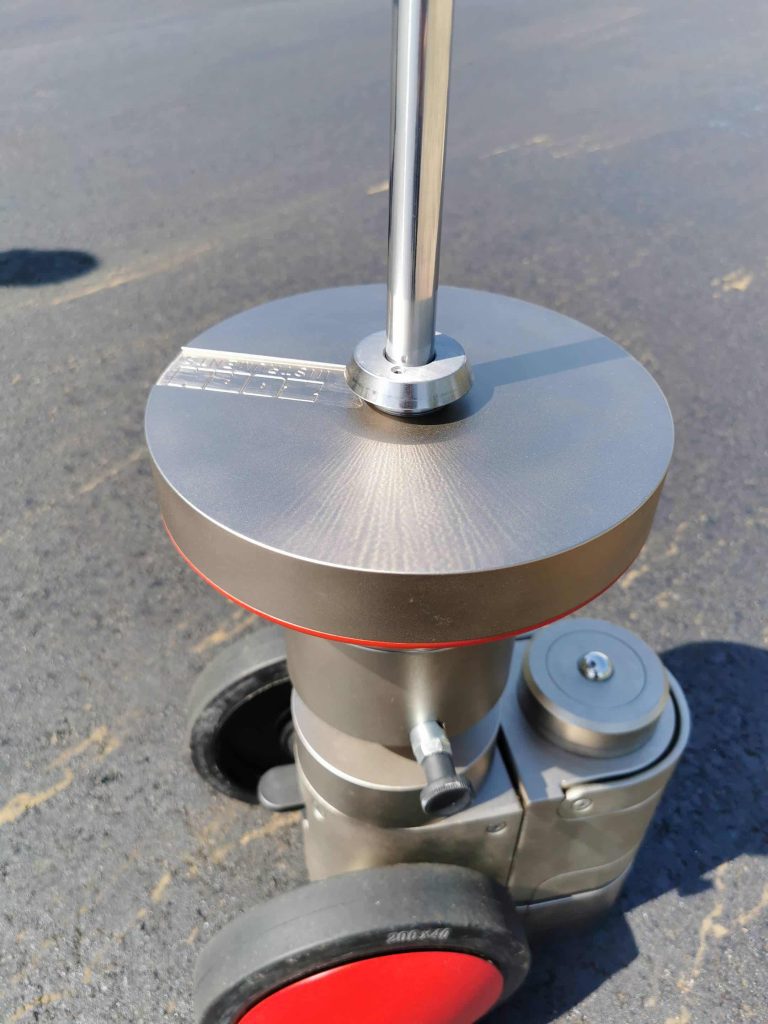
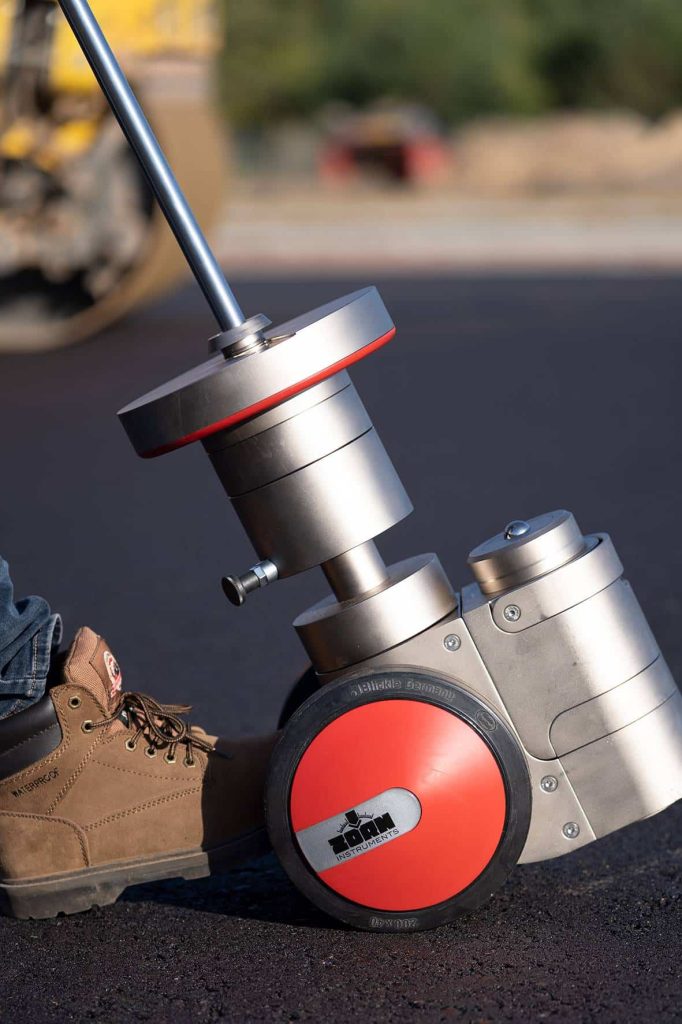
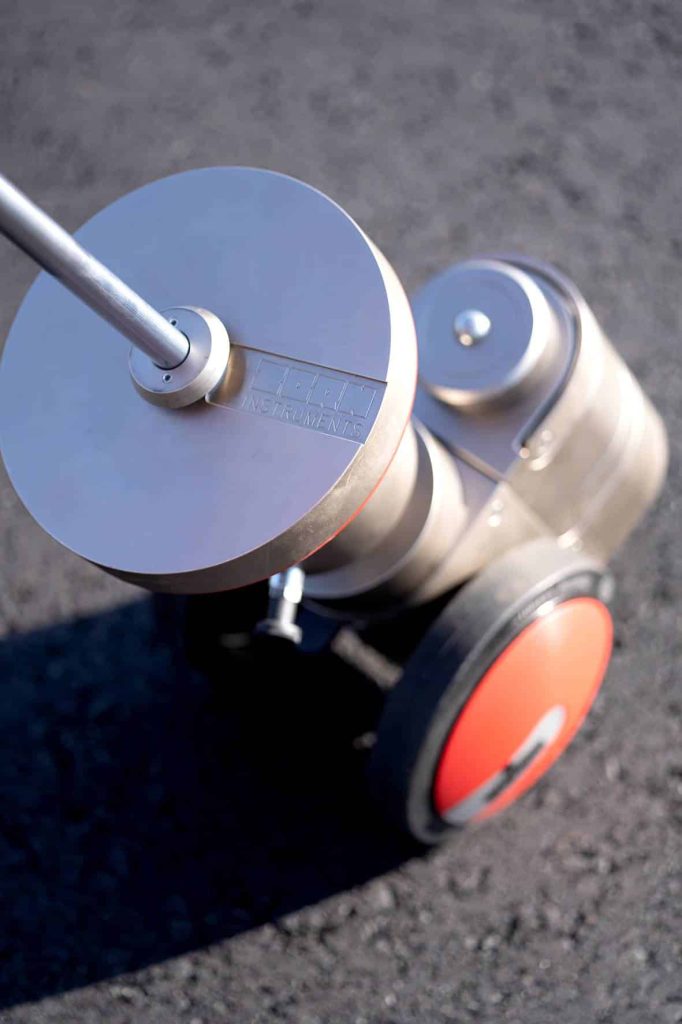
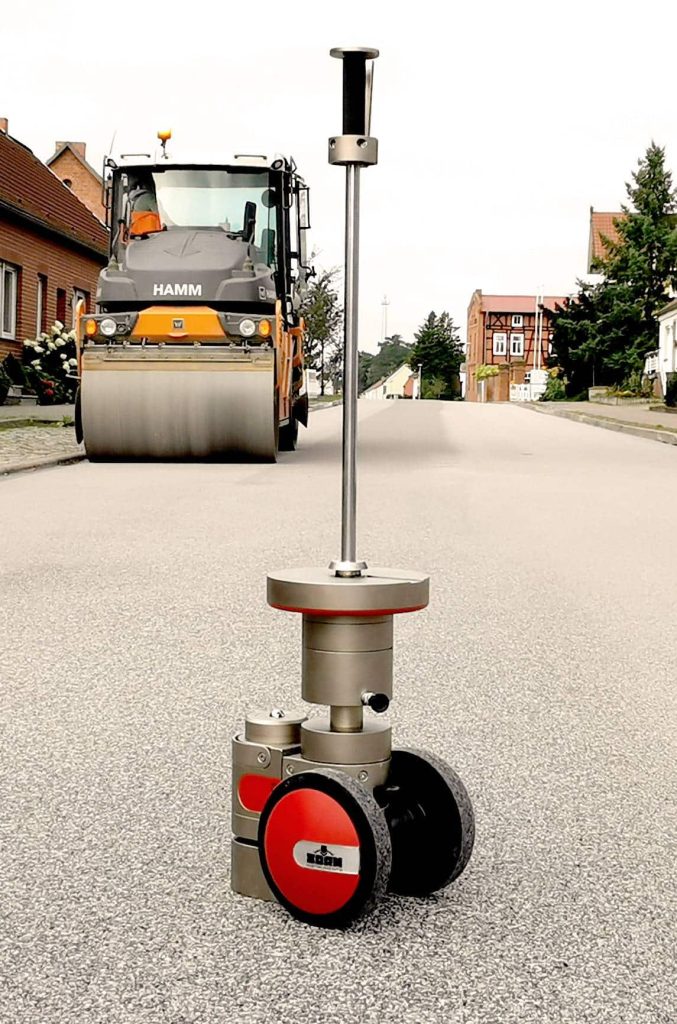
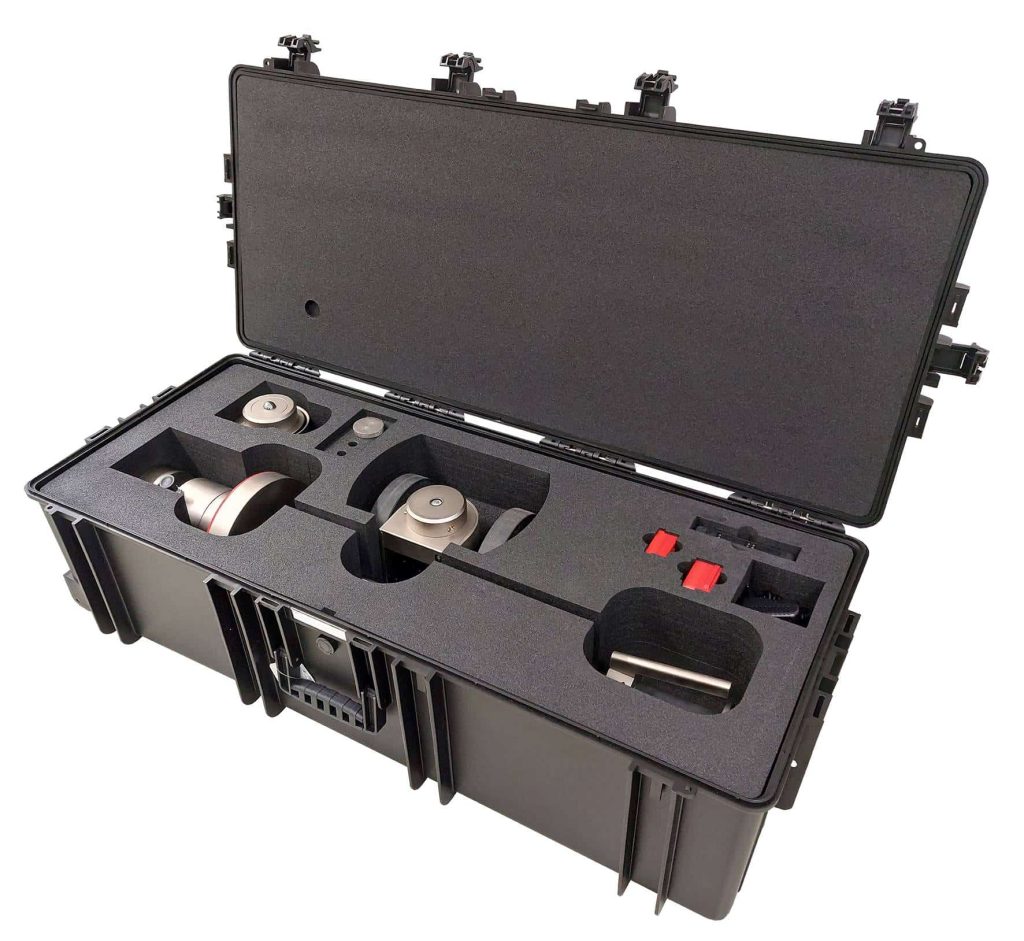
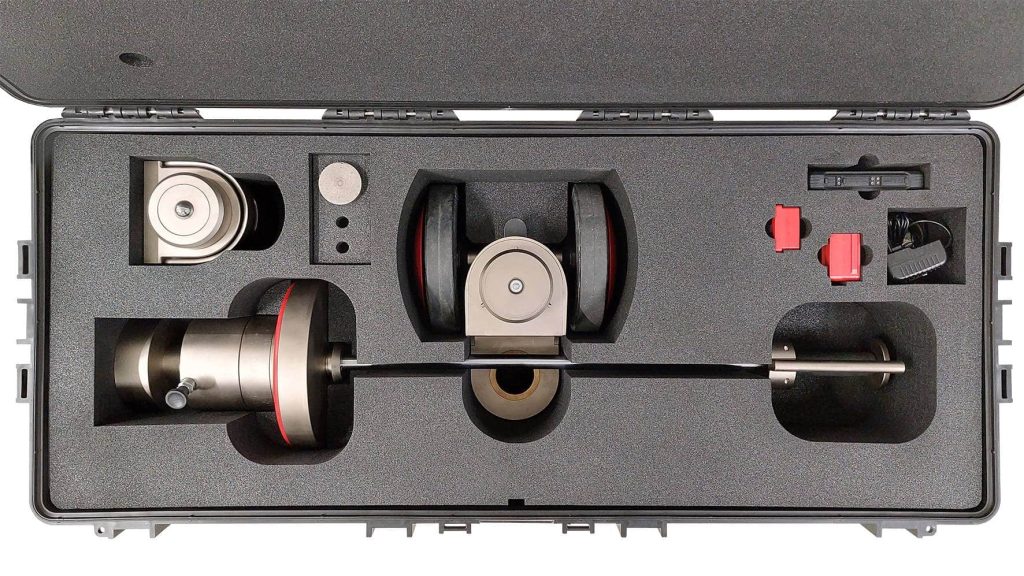
Zorn AT 2.0 Asphalt Tester
Road open test according to H VVA - Road and Transportation Research Association (FGSV) - Germany)
The objective of the ZORN Asphalt Tester (ZORN AT 2.0) is to enable an informed decision to be made to open a freshly asphalt paved road to traffic as soon as possible, whilst ensuring compliance to quality standards and that no damage will occur, due to premature traffic load.
The aim of this test is to help determine the appropriate cooling time for asphalt pavements before opening them to traffic, depending on the deformation behaviour of a freshly roller-compacted asphalt surface.
The applicable asphalt surface temperature range is ≤ 60 c.
An asphalt surface is considered safe to drive on when all specified test points have reached Avf = 100%. The test method is suitable for binder and base courses in asphalt paving.
The test can be used instead of or in addition to the known fixed cooling times (for Germany according to technical regulation ZTV Asphalt-StB, with 24 h / 36 h standard cooling periods).
Dynamic deformation modulus (Evd asphalt)
A further application for the ZORN Asphalt Tester, which is particularly interesting for research and university studies, is the determination of elastic surface deformations and a dynamic deformation modulus for asphalt (Evd asphalt).
Based on theoretical considerations of Weingart et al. , the Zorn Asphalt Tester determines the penetration depth and speed of test plungers with diameters between 12 and 50 mm under a dynamic load. Using the measured maximum penetration depth (deflection) and a set of further variables, a deformation modulus is determined.
Advantages
The advantages of the ZORN Asphalt Tester (ZORN AT 2.0) include:
- Newly laid asphalt pavements can be opened with confidence sooner
- Immediate feedback on the performance of the asphalt, without having to return to the laboratory
- Non destructive test
- Immediate, onsite evaluation of measurement results possible
- Data interpretation software allows data storage, analysis and manipulation and easy inclusion into reports
- No manual data recording (data recording / transposition errors eliminated)
- Graphical representation of the data
- Accurate repeatable results
- Operated by one person
- Test every individual layer between roller operations: wearing course, binder course and sub-surface layers can be tested with every roller pass
- Fast (2 minutes per measuring point) & safe (non nuclear) testing
- Robust design specifically for field use
The Asphalt Tester ZORN AT 2.0 from Zorn Instruments complements existing control methods, such as laboratory dynamic bending and tension tests or density control with nuclear gauges.
Asphalt Tester Calibration, Service and Spare Parts
Insitutek are proud to represent Zorn Instruments Light Weight Deflectometers (LWD’s) in Australia, New Zealand and the Pacific Islands and provide a very high level of client support.
We offer a complete spectrum of services including after-sale technical support, servicing, repairs, and calibrations. Our clients have exclusive access to the only Light Weight Deflectometer calibration and service cwntre in the Southern Hemisphere. Run by Zorn Instruments trained technicians, our service centre is also well stocked with spare parts. Our Australian based Zorn Instruments Calibration Stand and Service Centre is exclusive to Zorn clients and saves you significant down time compared to calibration and repairs overseas.
To find out more, Contact Us.

Road open test according to H VVA (FGSV Institute – Germany)
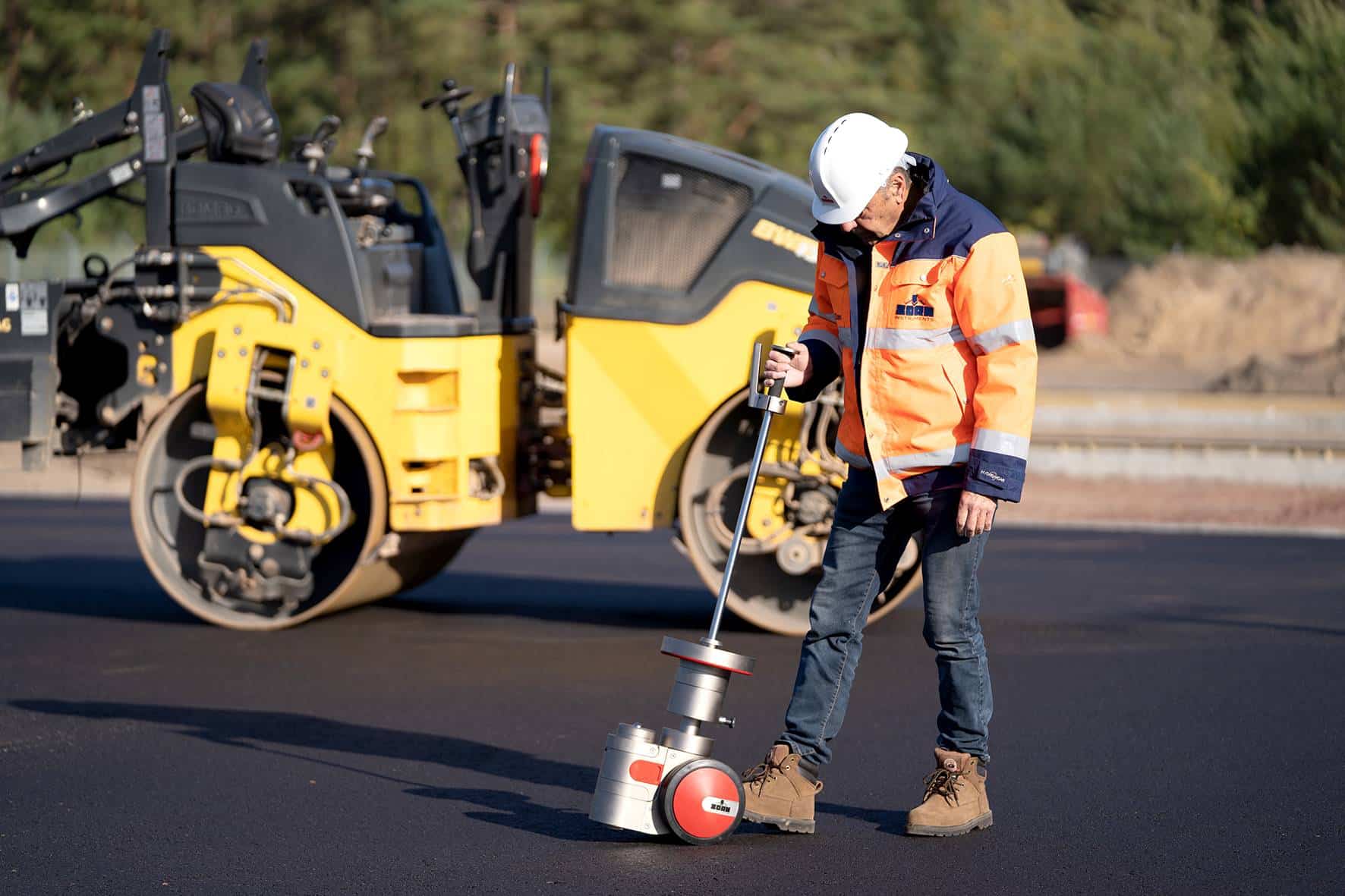
For the deformation behaviour evaluation, immediately after compaction, a test plunger (non-bevelled, flat, diameter 50 ±0.1 mm) is loaded by a falling weight with a mass of 15 kg, producing an impact force of 9.42 kN, with an impact duration of (17 ±1.5) ms. 5 consecutive load impacts are applied to the asphalt surface. Based on the resulting deflection and deflection differences, the deformation behaviour of the fresh asphalt surface can be assessed at the respective measuring point.
A release coefficient “AVF” is determined for this test by comparison of the measured mean dynamic deflection sm of the plunger with a defined reference deflection Sref.
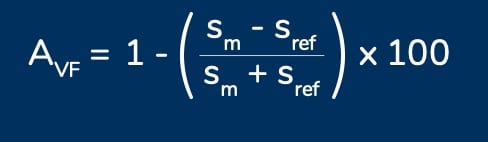
- AVF = release coefficient in %
- Sm = mean dynamic plunger deflection in mm at the measuring point
- Sref = reference deflection in mm
A total of 15 measuring points in 3 measuring stations over a distance of 100 metres from the measuring field required for a complete test.
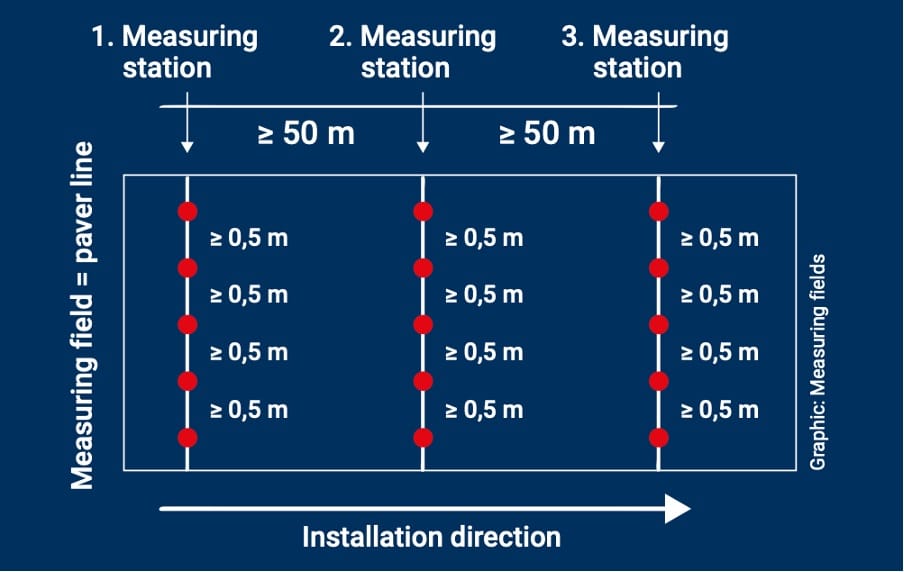
- At least three measuring stations per measuring field
- Five measuring points per measuring station
- Five load impulses per measuring point
- One load impulse provides one measured value
If all 15 measuring points show a value AVF = 100%, the road can be opened to rolling traffic.
Dynamic Deformation Modulus (Evd Asphalt)
The ZORN Asphalt Tester, can be used to determine the elastic surface deformations and a Dynamic Deformation Modulus for asphalt (Evd Asphalt).
Based on theoretical considerations of Weingart et al., the ZORN Asphalt Tester determines the penetration depth and speed of test plungers with diameters between 12 and 50 mm under a dynamic load. Using the measured maximum penetration depth (deflection) and a set of further variables, a deformation modulus is determined according to the following formula.

- Evd Asphalt = Stiffness modulus (MPa)
- μ = Poisson’s ratio (use 0.5 as the default)
- σ = Maximum contact stress (kPa)
- s = Maximum deflection (mm)
-
Asphalt Tester Brochure
Categories: Brochures
Published: 03/06/2022
Keywords: Asphalt Stiffness Test
Trusted by our clients























































































































































Trusted by our partners