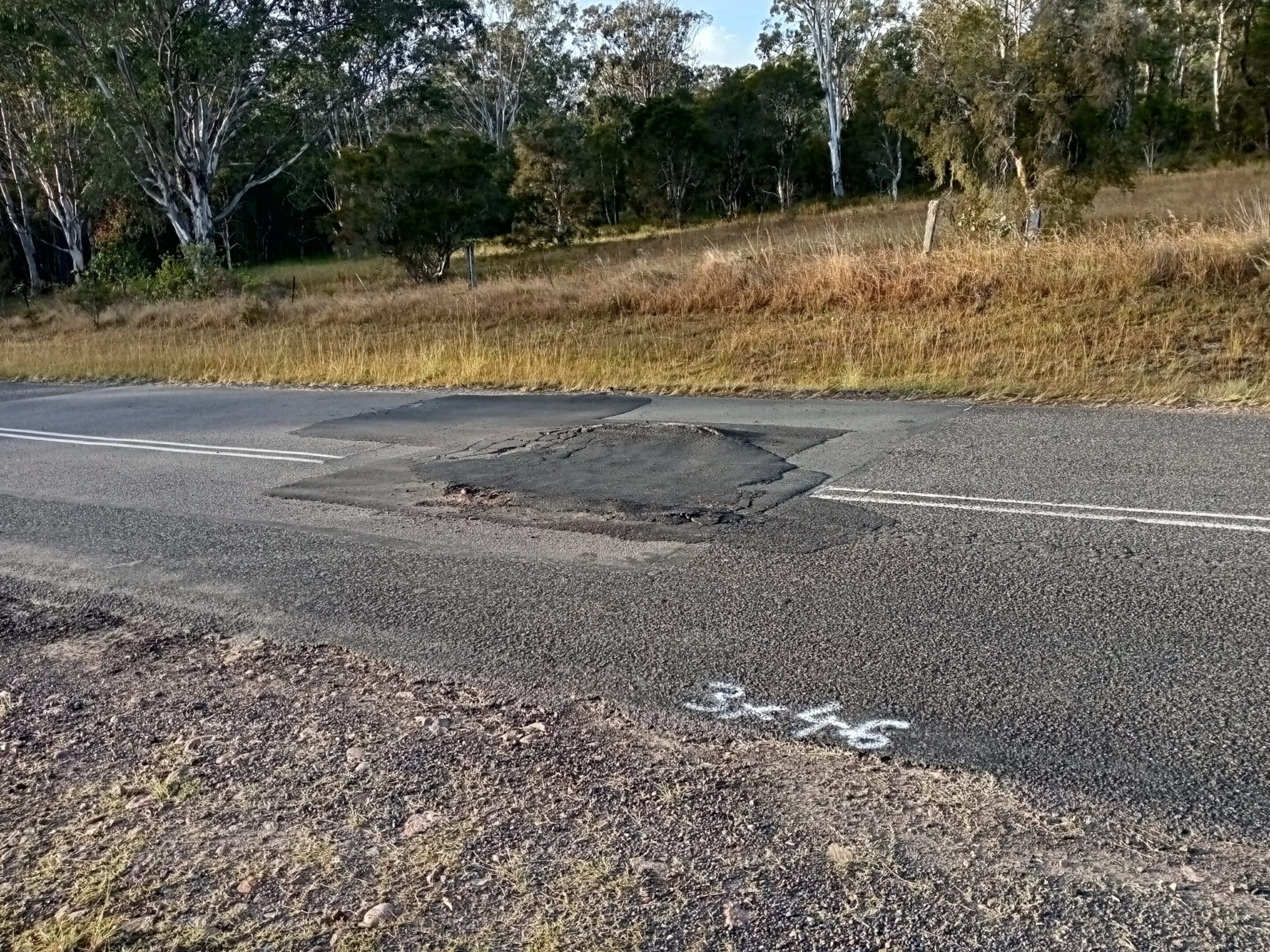
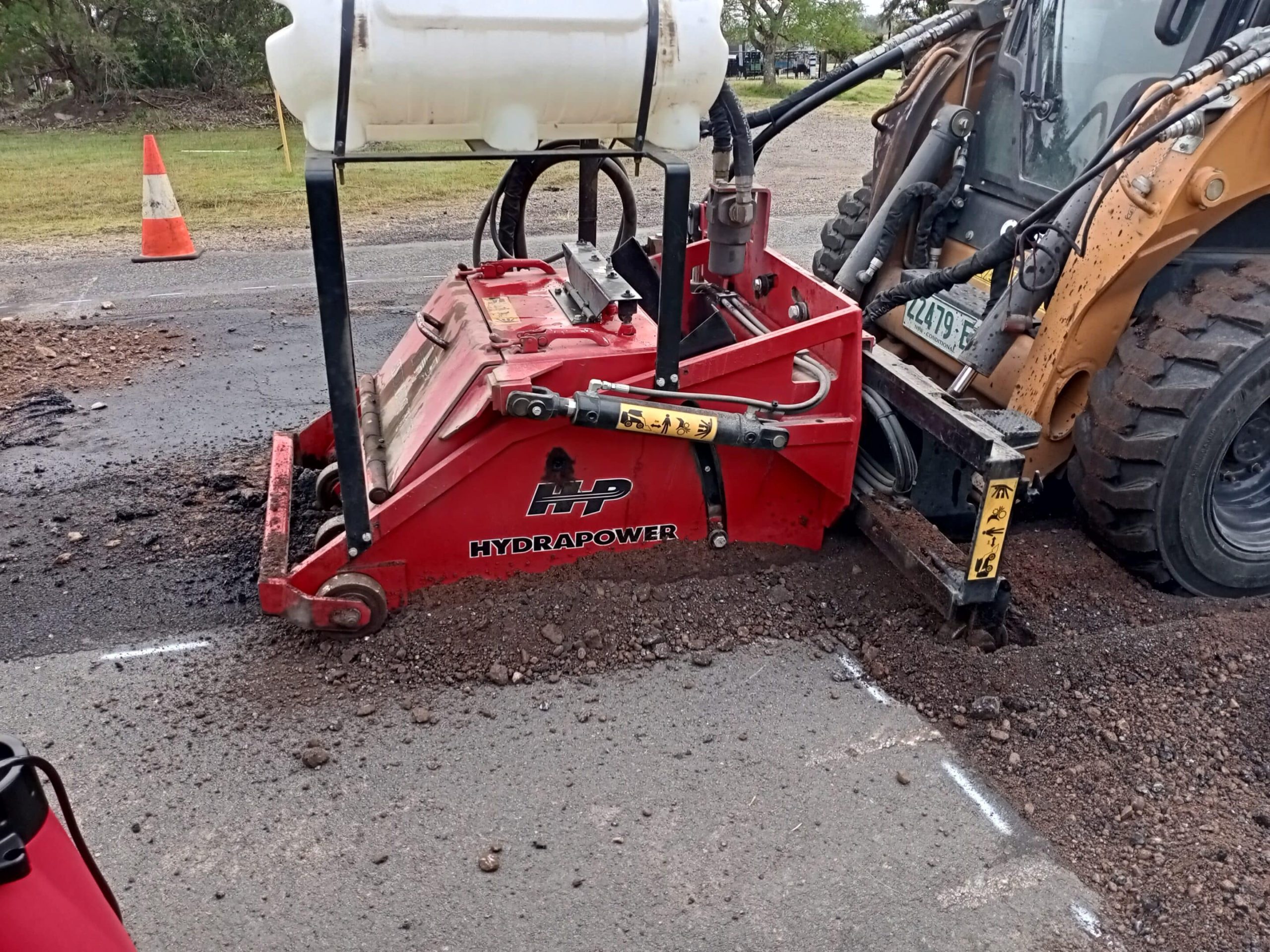
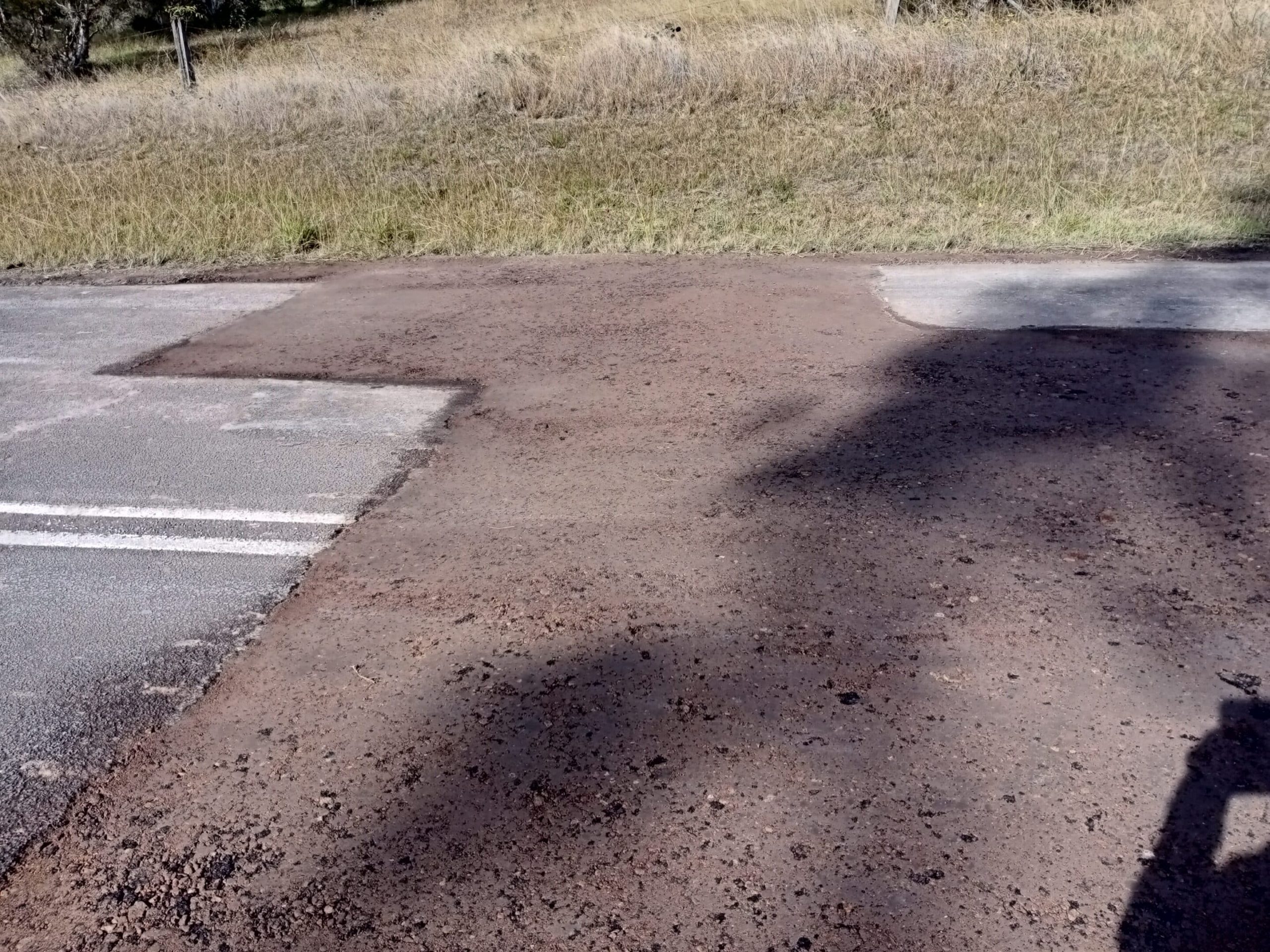
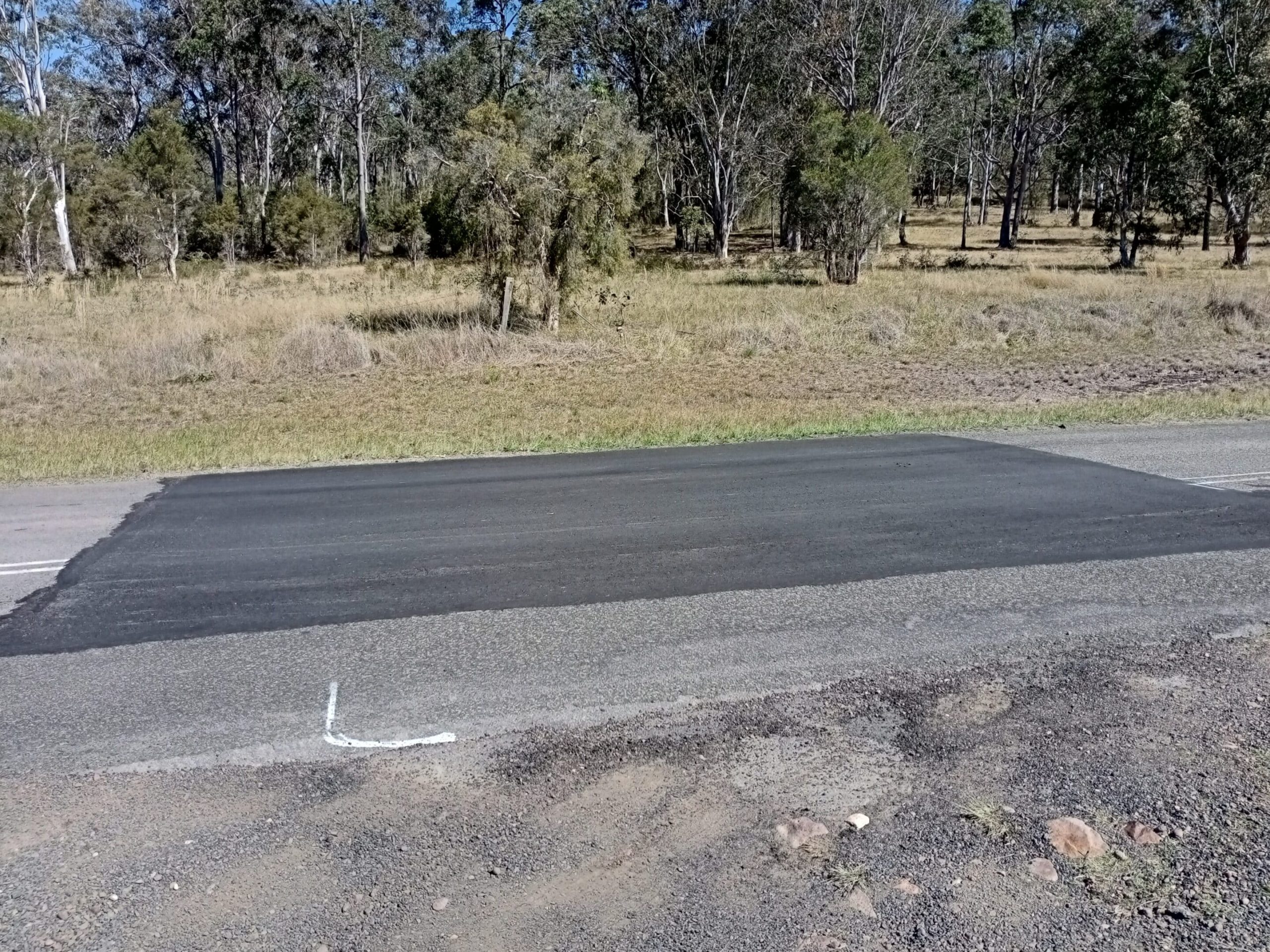
- Cost effective, fast and quantifiable ground improvement
- TERRA-3000® treats a wide range of cohesive soils
- Mechanical and hydraulic performance improvement, rather than remove and replace
- Sustainable
The Problem with Clay
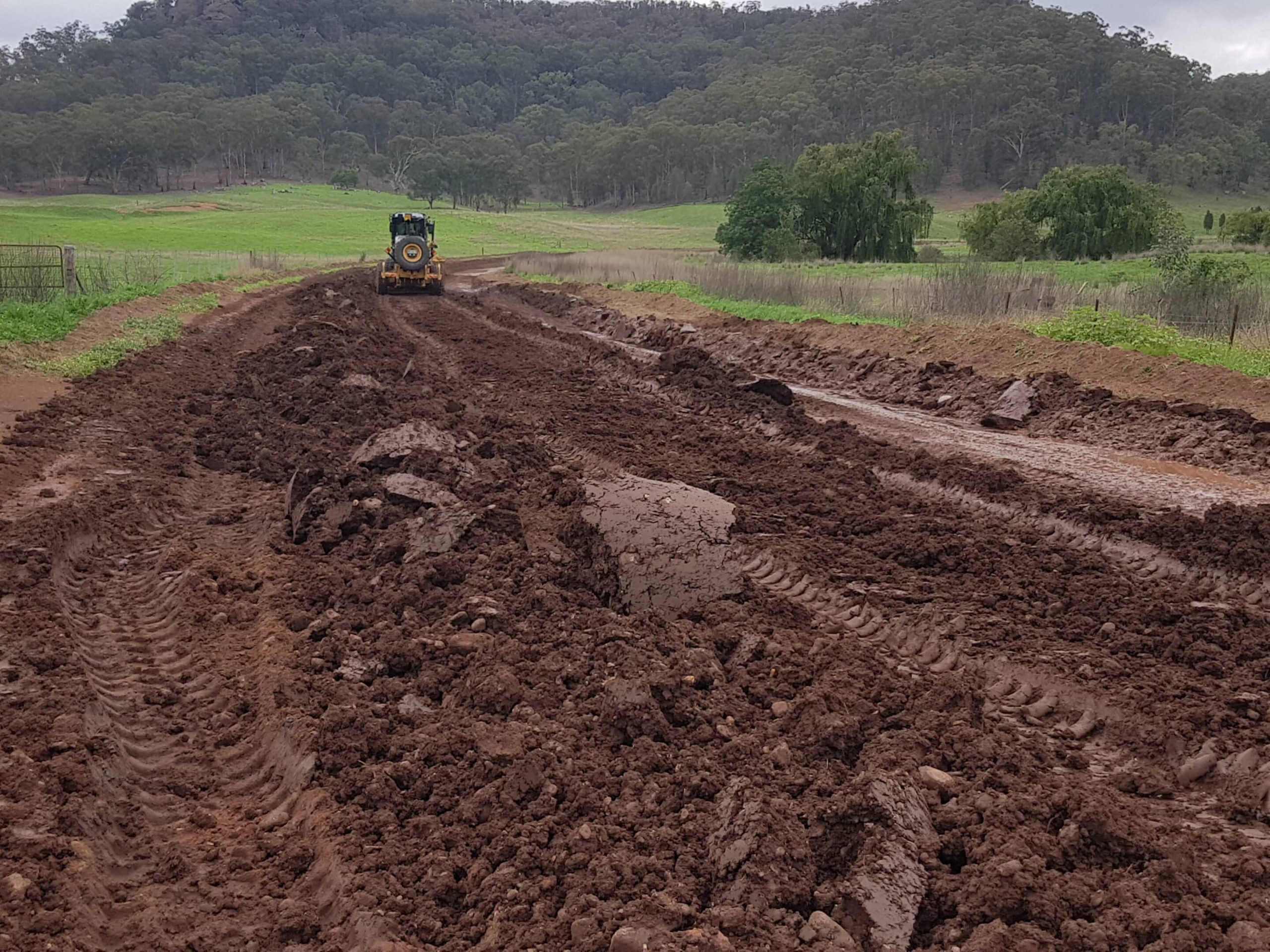
Pavements constructed with clay soils in the mix typically suffer from heave due to water ingress, which is major cause of structural foundation damage. Commonly, pavement designers address this risk with a range of techniques such as remove and replace, lime or cement stabilisation, the use of membranes to prevent moisture migration within the sub-grade, and additional drainage.
An Alternative Solution - TERRA-3000®
TERRA-3000® transforms clay into a high-performing asset. Instead of remove and replace, many clay soils can be treated insitu. Marginal quarried material can also be utilised.
TERRA-3000® permanently and irreversibly reduces the amount of water held in clay soil. Treated layers are much less prone to water ingress problems (from below, the sides and top) and treated clay particles can more closely associate during compaction.
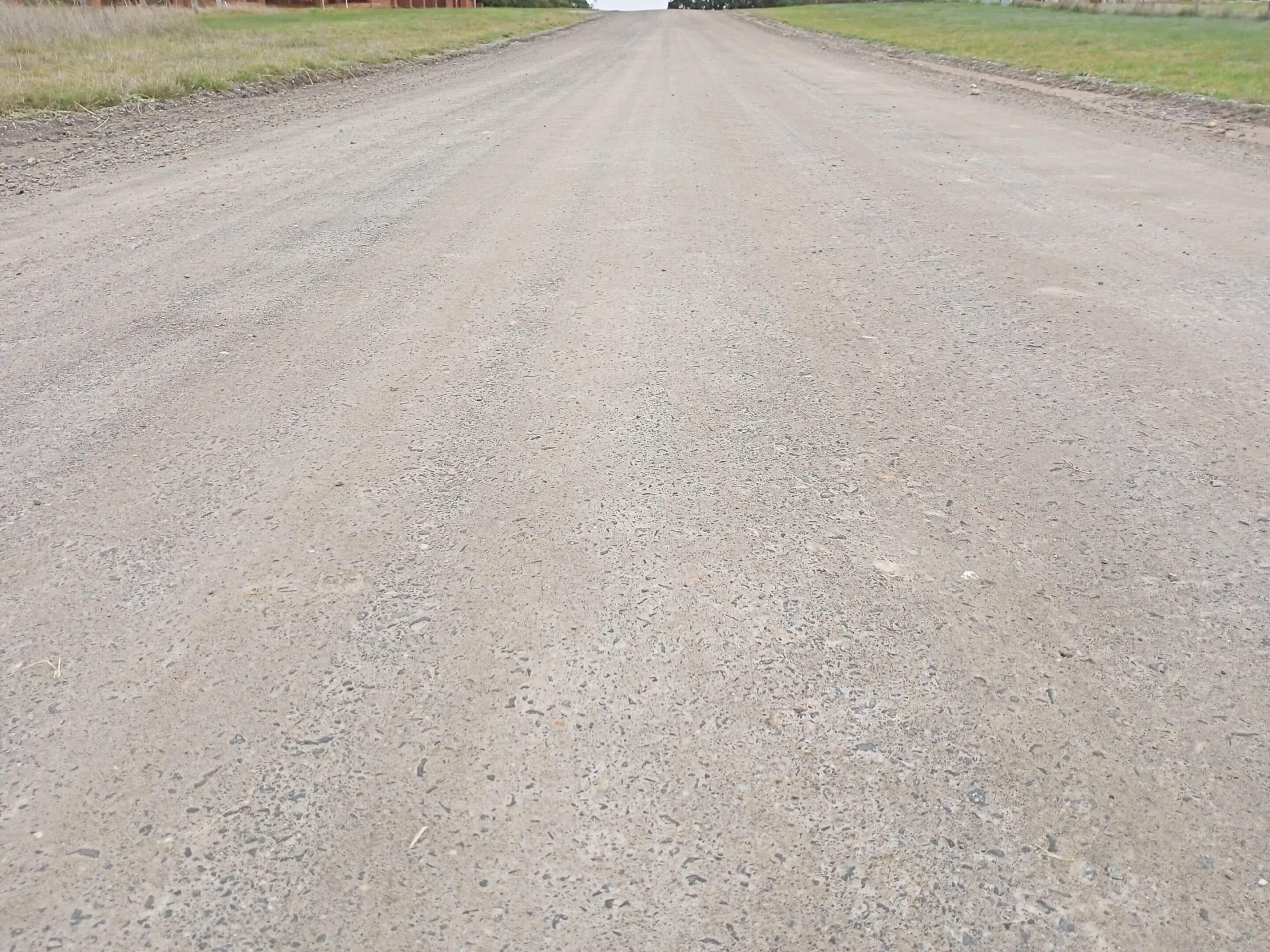
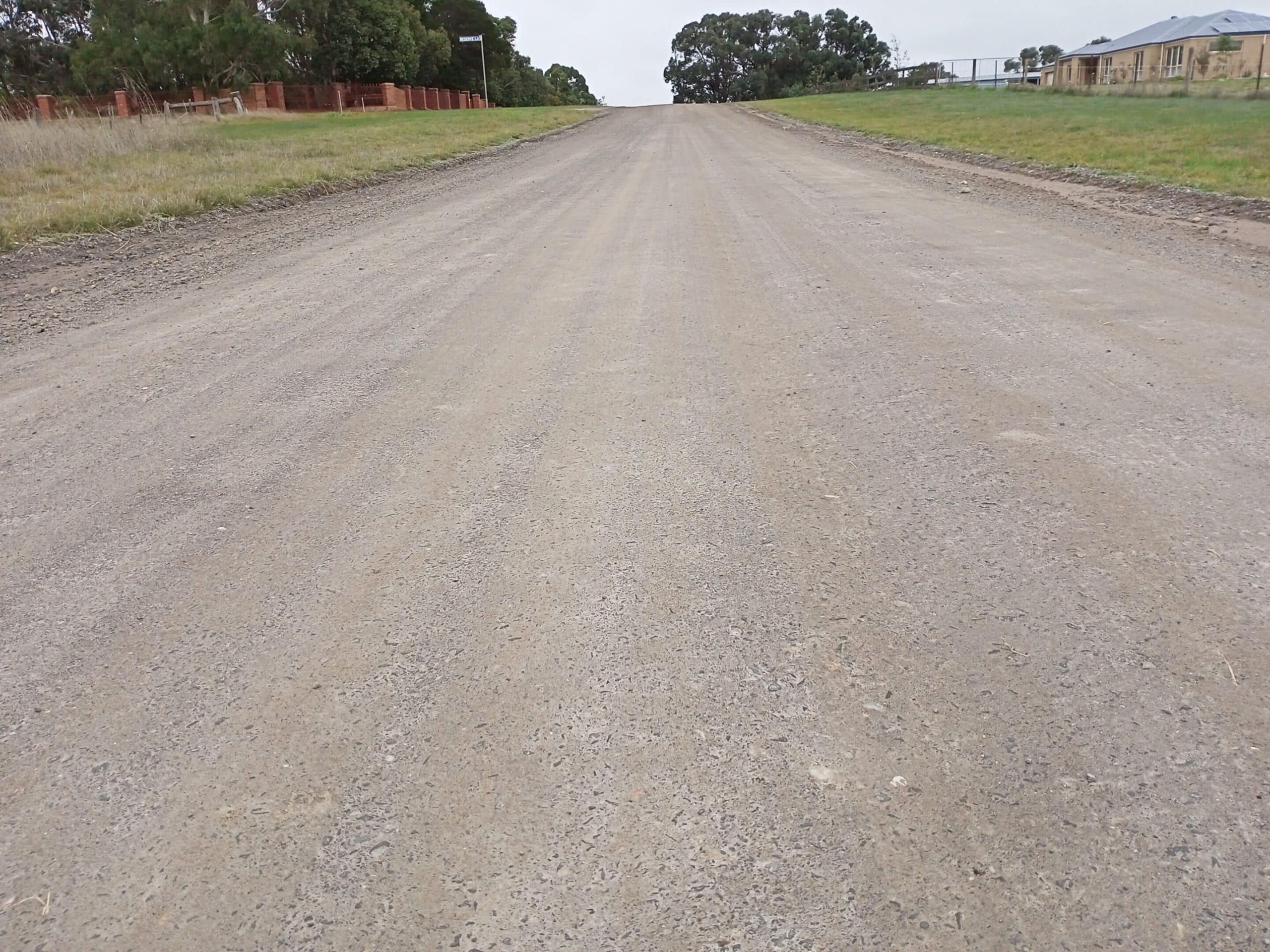
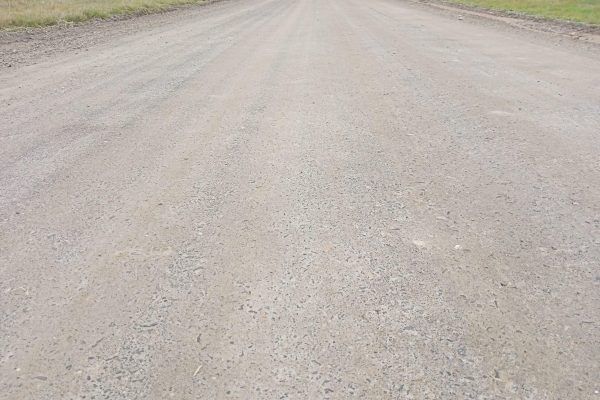
The result is a high strength flexible unbound pavement.
TERRA-3000® is not a binder or binding agent, meaning that pavement layers which are treated with TERRA-3000® are considered unbound and retain the advantage of flexibility at strength over bound pavements.
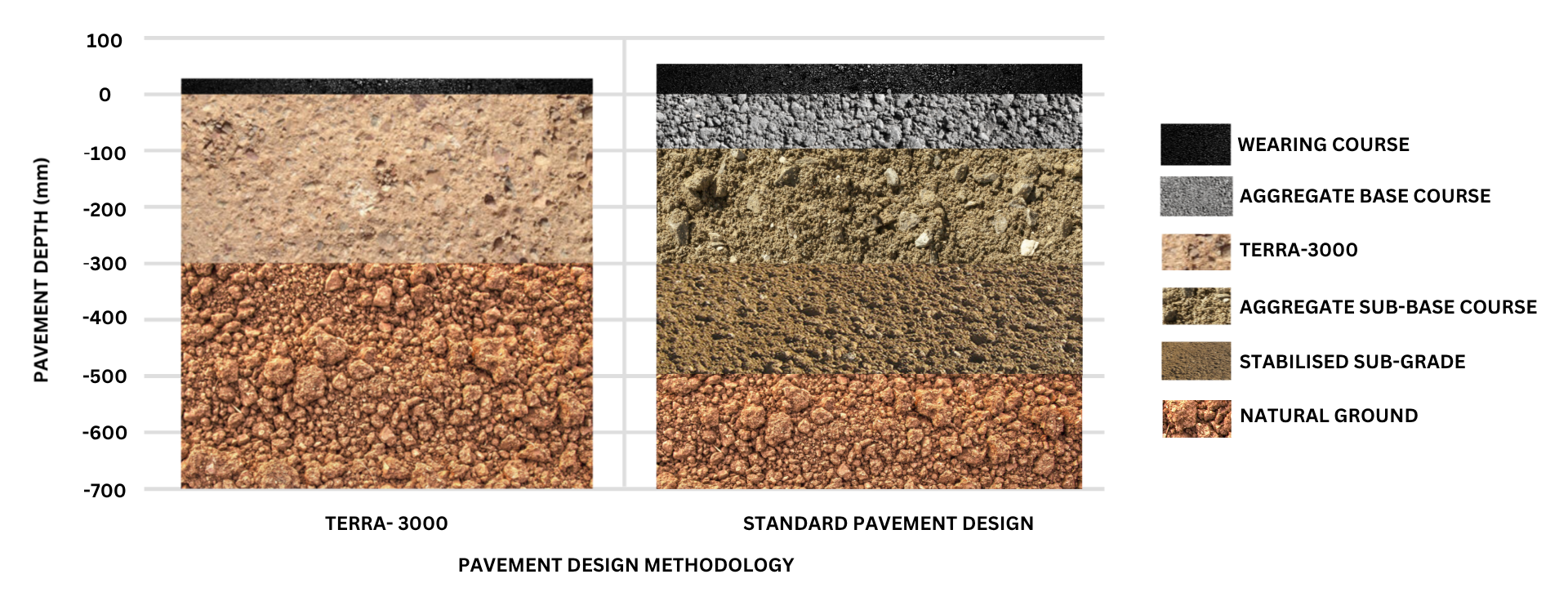
The use of TERRA-3000® for stabilisation of cohesive soils can deliver equivalent pavement performance whilst substantially reducing pavement thickness by the creation of a base-grade layer made from in-situ materials. This leads to significant reductions in material removal and replacement compared to a standard pavement design.
Using TERRA-3000® reduces carbon emissions compared to typical pavement design and construction. Lower site carbon emissions result from greater use of in-situ materials, reduced use of imported construction materials (e.g. gravels), less truck movements and the simplified construction process. For a given project, manufacture and delivery of TERRA-3000® has a very low carbon footprint, with further sustainability benefits in that it is non-leaching, leaves no residue, is lime and cement free, and has no airborne particulates, meaning it is safe for operators to use and suitable for sensitive environments.
A proportion of clay fines are required for TERRA-3000® to function and soils with a wide range of clay contents can successfully be treated.
To find out more, Contact Us.
Related Products
The Science
TERRA-3000® requires the presence of clay fines to improve the mechanical and hydraulic performance of soil. Soils with a wide range of clay content can successfully be treated.
TERRA-3000® permanently and irreversibly reduces the amount of water held in clay soil. Treated layers are much less prone to water ingress problems (from below, the sides and top) and treated clay particles can more closely associate during compaction.
The result is a high strength flexible unbound pavement.
TERRA-3000® is a chemically engineered Amine based liquid catalyst which:
- Breaks up the adhering water film on the clay particles
- Leads to an irreversible agglomeration of the fine particles
- Substantially reduces the capillary rise of water
- Decreases the swelling capacity of the individual clay particles
Once static water becomes free water, it can either seep away during consolidation or be driven out by the kneading action of, say, a padfoot roller (and subsequently evaporate). Due to electro-physical reaction (ion-exchange), the clay particles can more closely associate, so voids can then be closed during compaction, thus enabling pavement stiffness improvement, which is further enhanced under load/traffic due to consolidation and further compaction.
TERRA-3000® is mixed with water during treatment to facilitate coverage of all the clay particles.
It is not a binder or binding agent, meaning that pavement layers which are treated with TERRA-3000® are considered unbound and retain the advantage of flexibility at strength over bound pavements.
Material Suitability
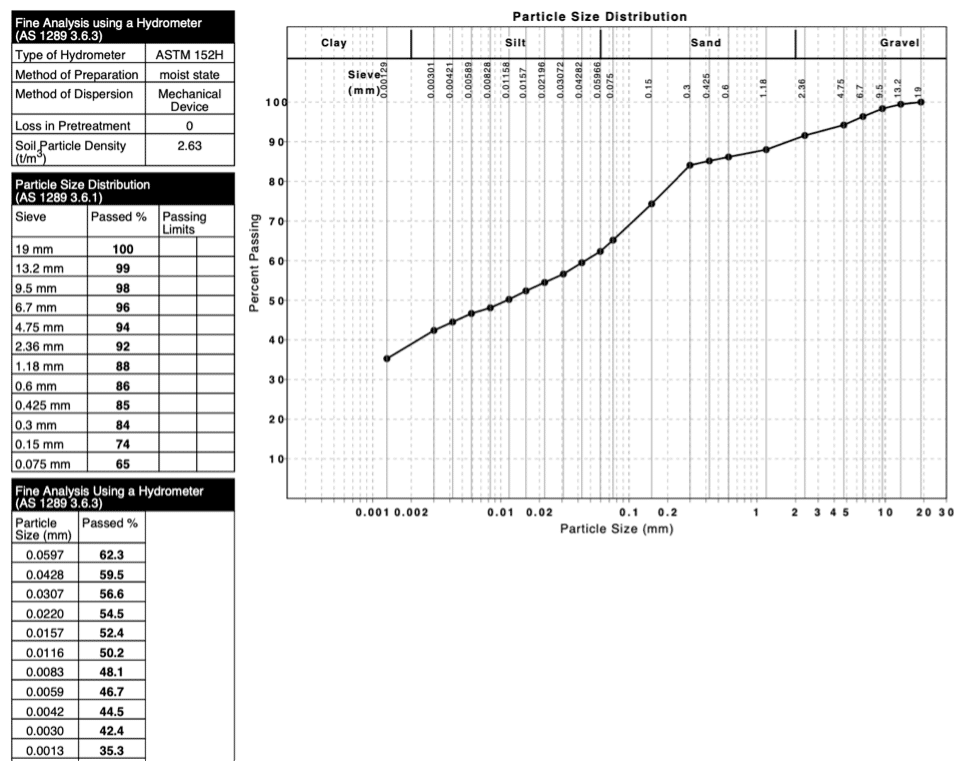 TERRA-3000® requires the presence of clay fines to improve the mechanical and hydraulic performance of soil. It is suitable and safe to use in environmentally sensitive areas such as rivers and lakes. It doesn’t leach and leaves no residue.
We assist clients to determine the suitability and performance outcomes using TERRA-3000® for each particular project. A sound starting point is to perform Particle Size Distribution (PSD) and Hydrometer tests. The hydrometer test quantifies the clay and silt fractions within the candidate materials.
A model particle distribution has an even particle distribution range between 0.002 mm and 37.5mm. Larger fractions (> 50 mm) are crushed prior to treatment.
However, TERRA-3000® can be used to successfully treat a wide range of soil profiles with varying clay contents.
Applications
TERRA-3000® is suitable for a variety of stabilisation applications.
Pavement applications include:
- New Construction and Rehabilitation
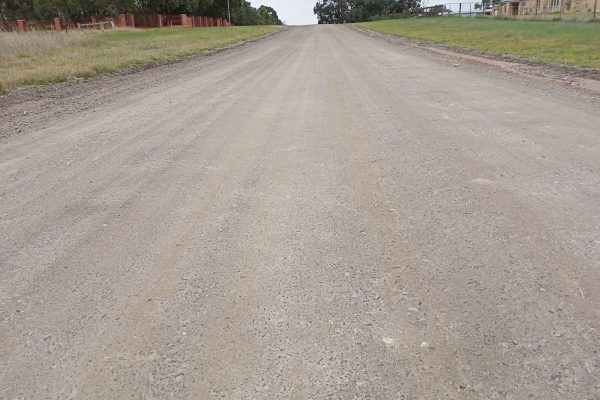
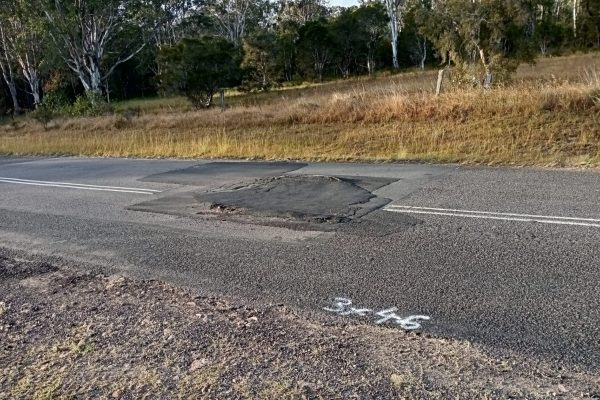
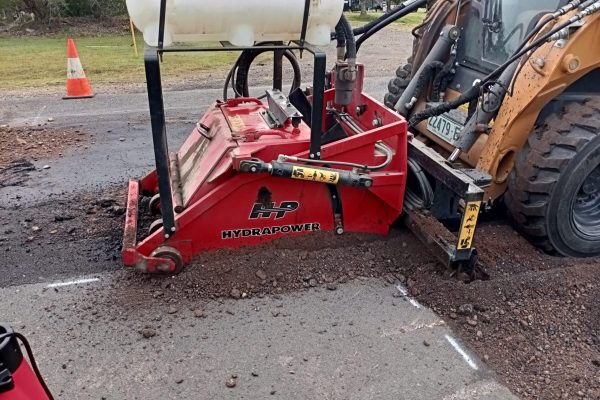
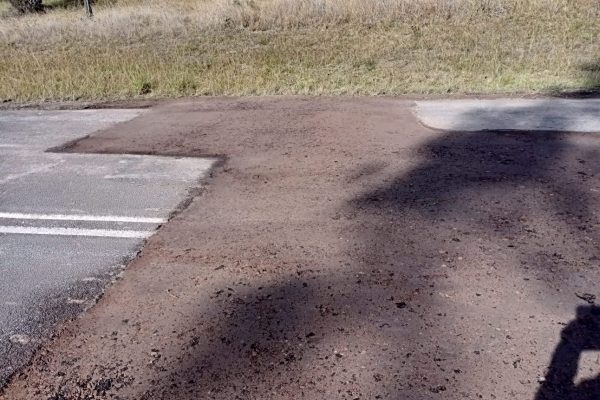
- Pavement maintenance including heavy patching
- End of life pavement recycling
- Sustainable alternative to aggregate sheeting
- Water / flood resilience, erosion control, drainage
- Roads including:
- Mine haul roads (above and below ground)
- Service roads and access tracks
- Road shoulders to protect from moisture ingress
- Parking areas
- Rail (track beds and formations)
- Airports (runways, taxiways and aprons)
- High availability / disaster recover / on demand infrastructure – roads, hardstands, airstrips
- Hardstands (port, loading areas etc)
Other applications include:
- Temporary works platforms
- Dams, dykes, levees and canals:
- including dam wall raises
- seepage control / containment to contain the flow of water and to minimise erosion
- Land development
- Defence
TERRA-3000® is suitable and safe to use in environmentally sensitive areas such as near rivers and lakes.
Pavement Design
The use of TERRA-3000® to improve the mechanical and hydraulic performance of in-situ soils has a profound impact on traditional pavement design. The diagram below gives an indication of the reductions in pavement depth and thickness in wearing course made possible by stabilisation of in-situ soils using TERRA-3000®.
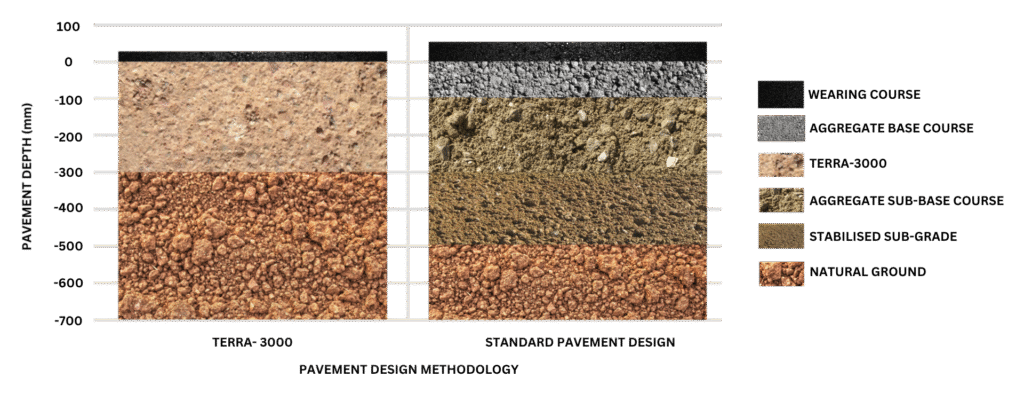 Our best practice approach to support maximum savings in construction cost and the most sustainable outcomes, features a single high performing base-grade layer treated with TERRA-3000®.
Treatment & Testing
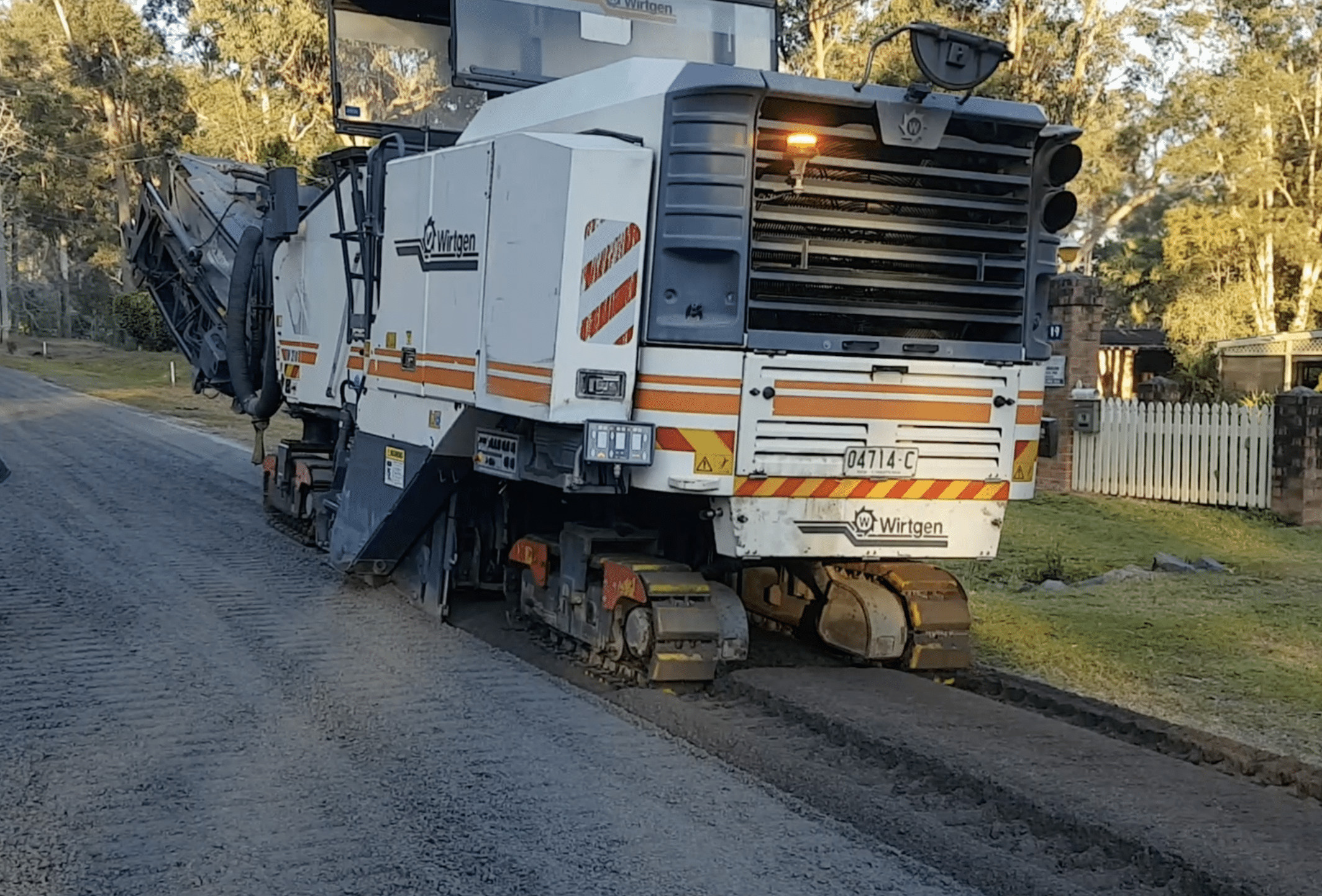
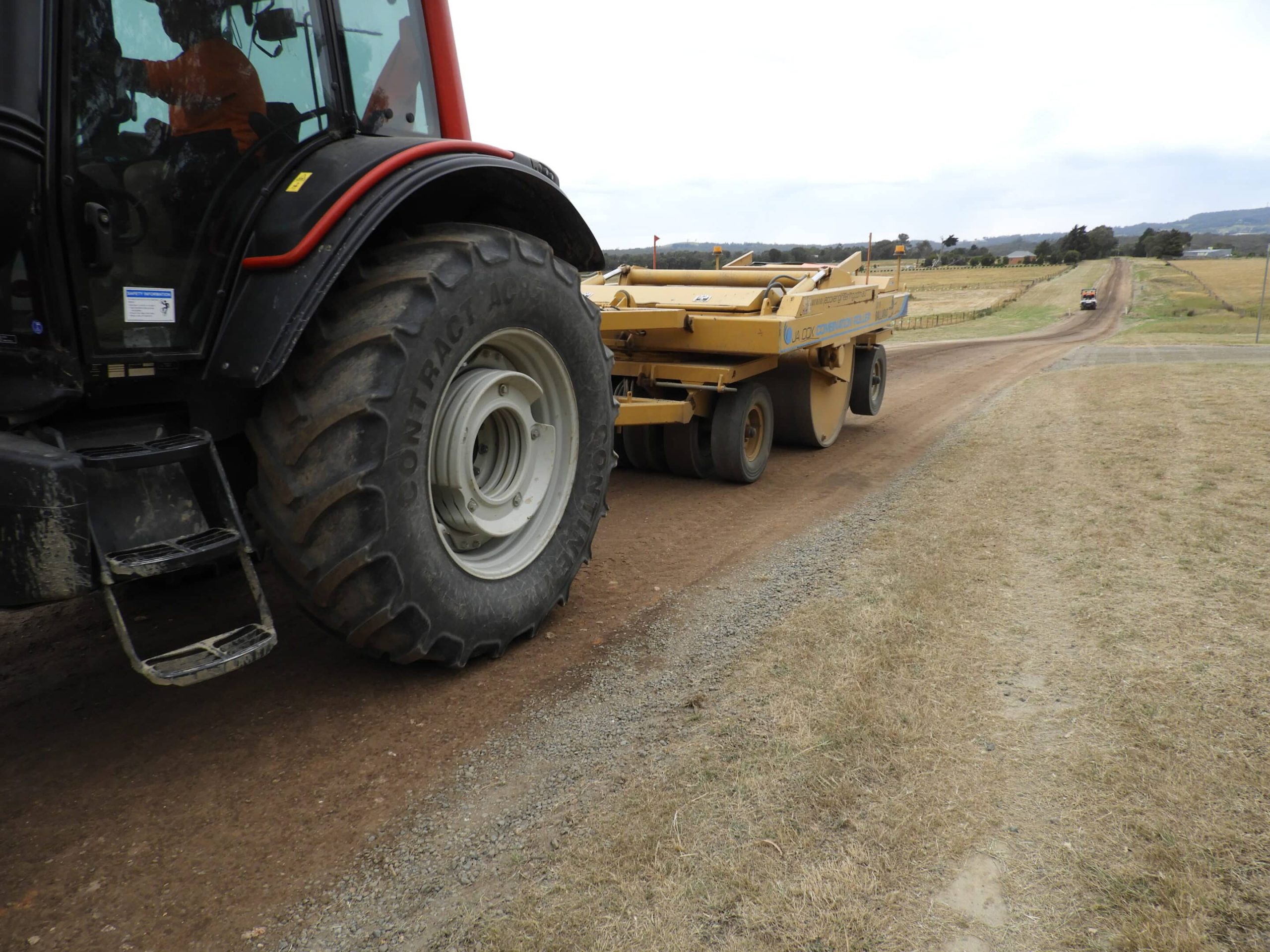
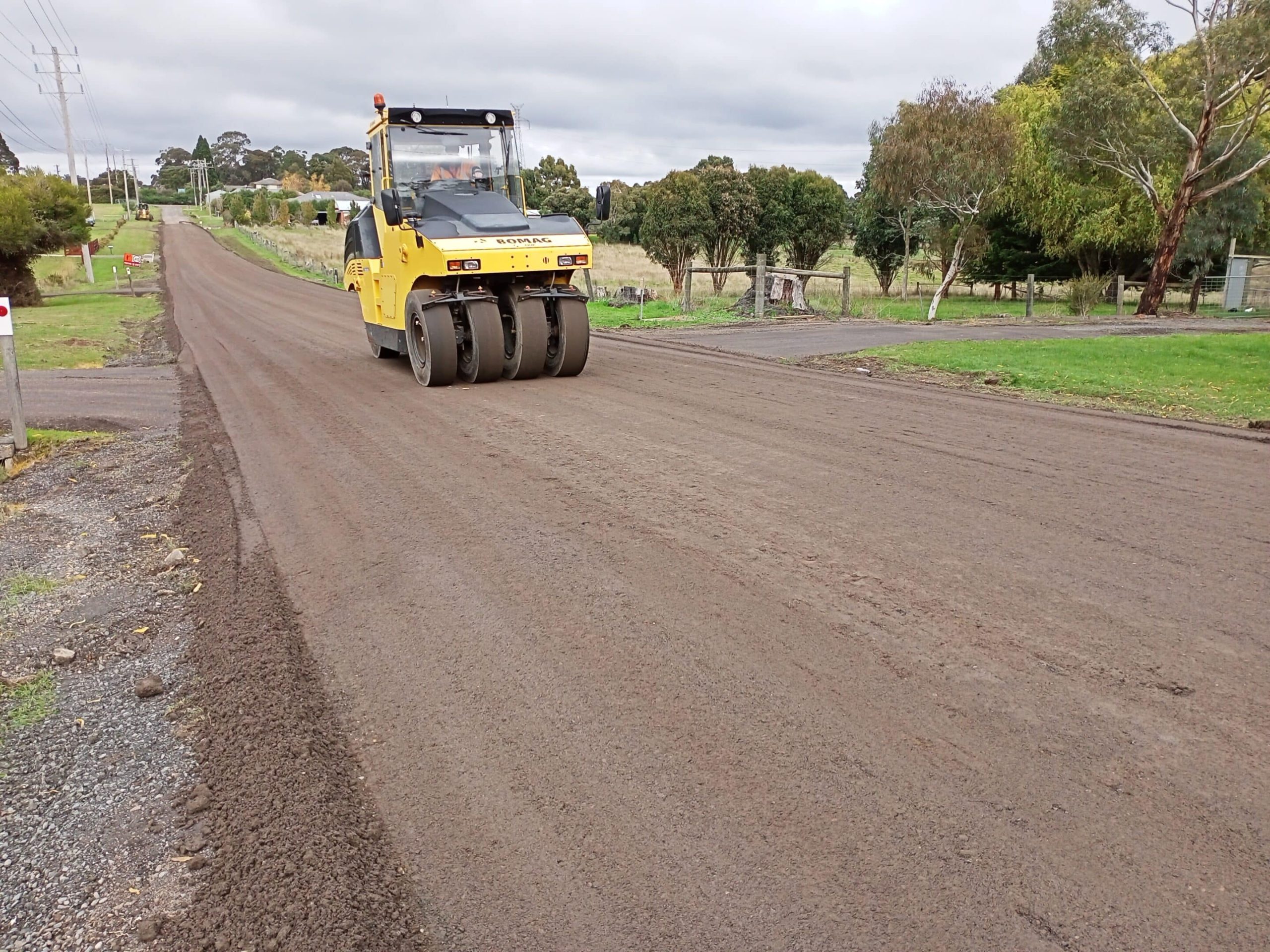
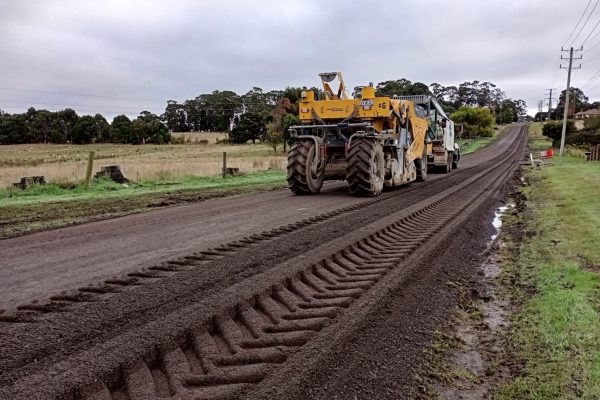
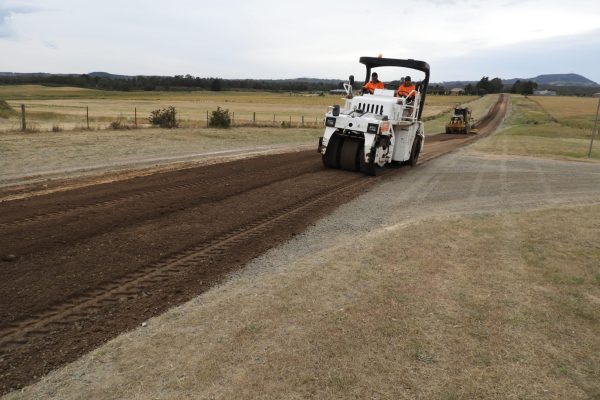
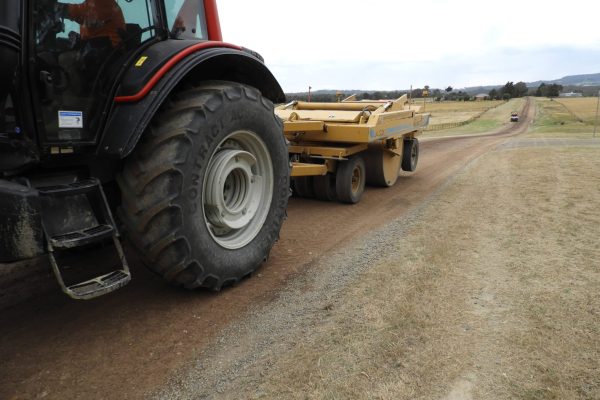
Pavement construction with TERRA-3000® uses typical civil construction equipment. Ideal application equipment includes:
- a mechanical stabiliser enables a uniform rate of application and thorough mixing
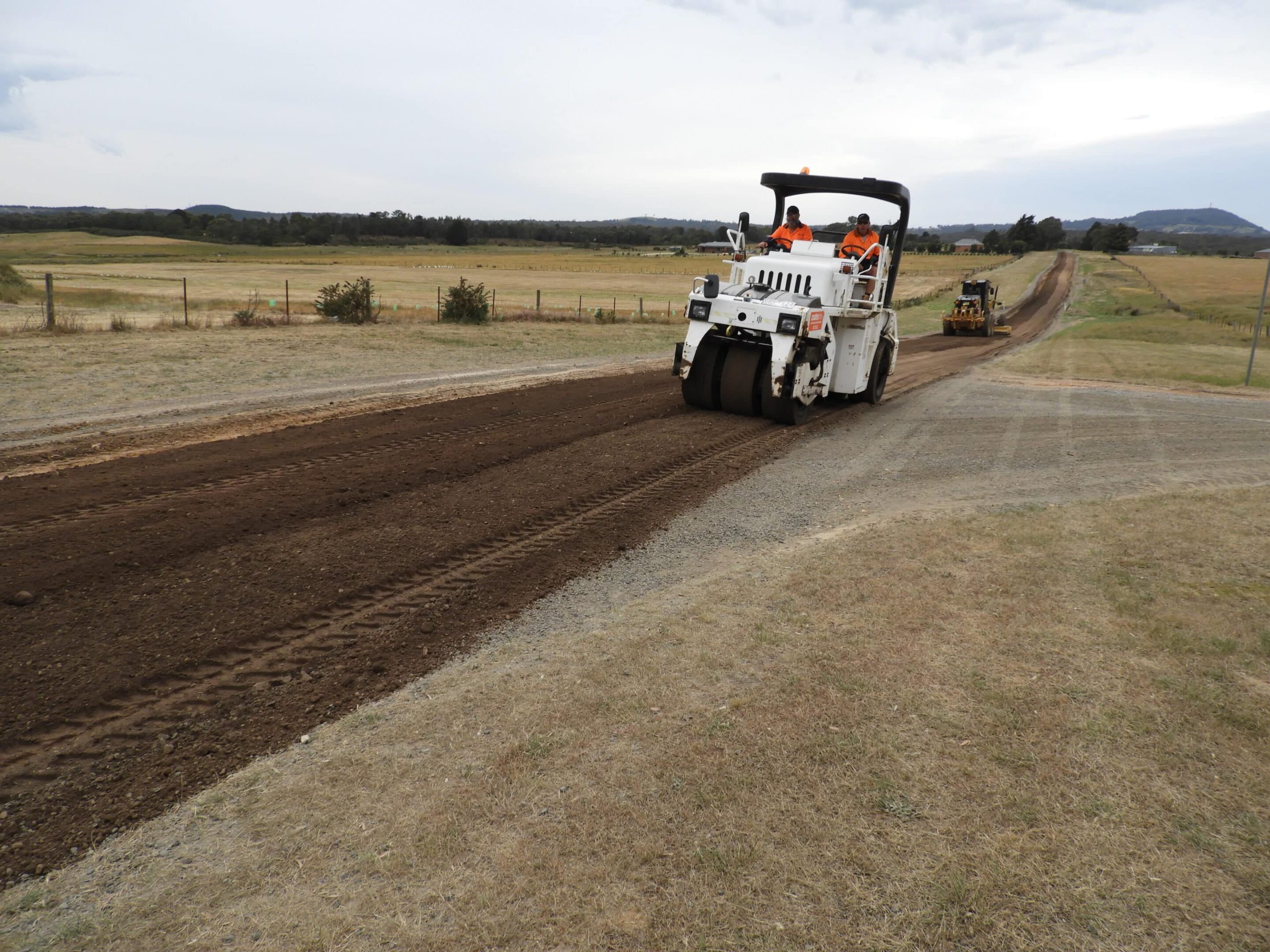
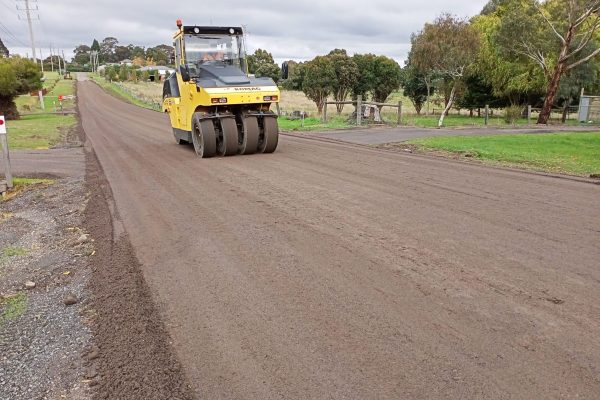
- a heavy multi-tyre roller for the best compaction outcome
TERRA-3000® is a liquid concentrate that is diluted with water during treatment to facilitate contact with all the clay particles.
Treatment is as simple as:
- Rip
- Apply
- Mix
- Shape
- Compact
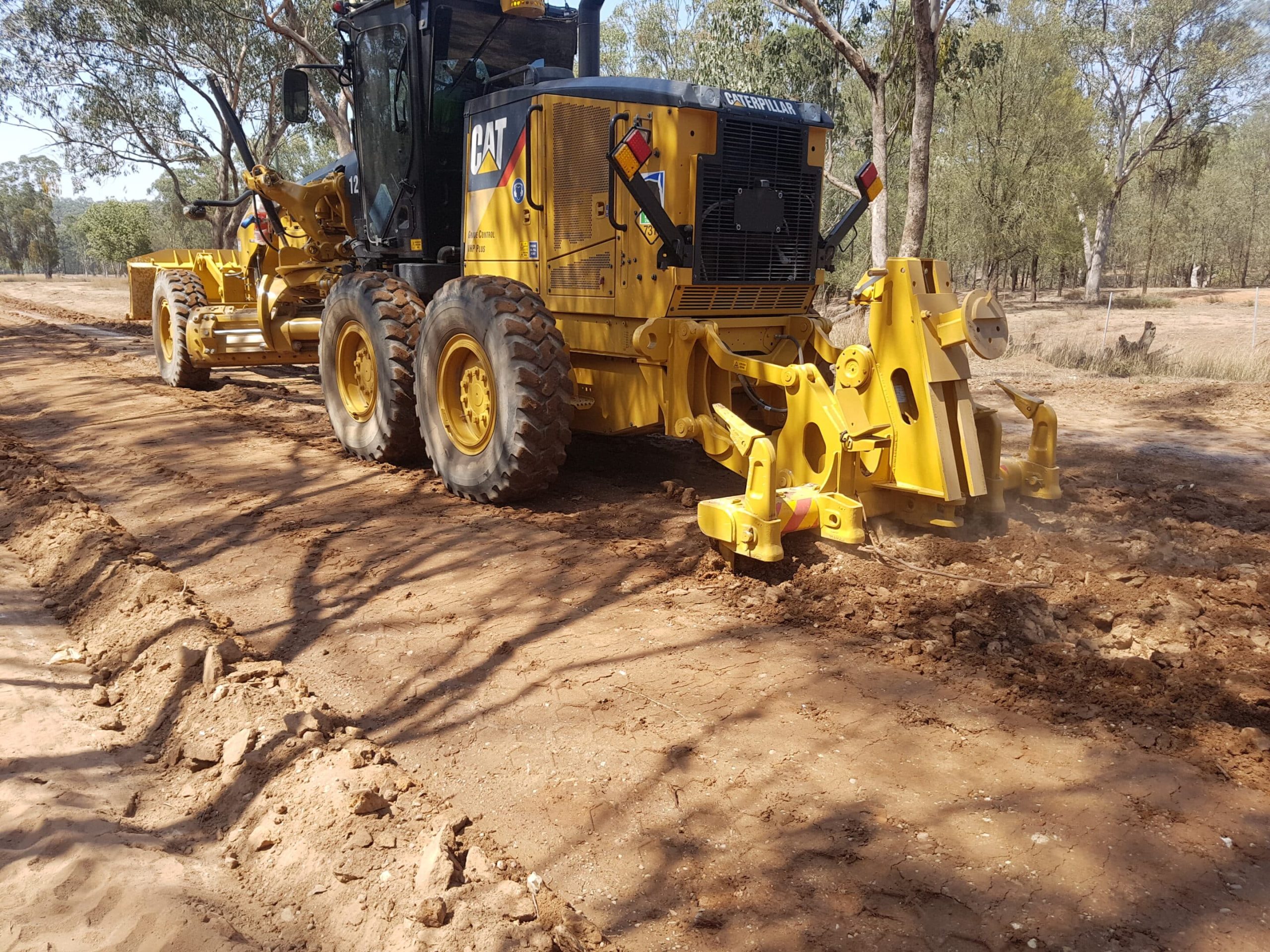
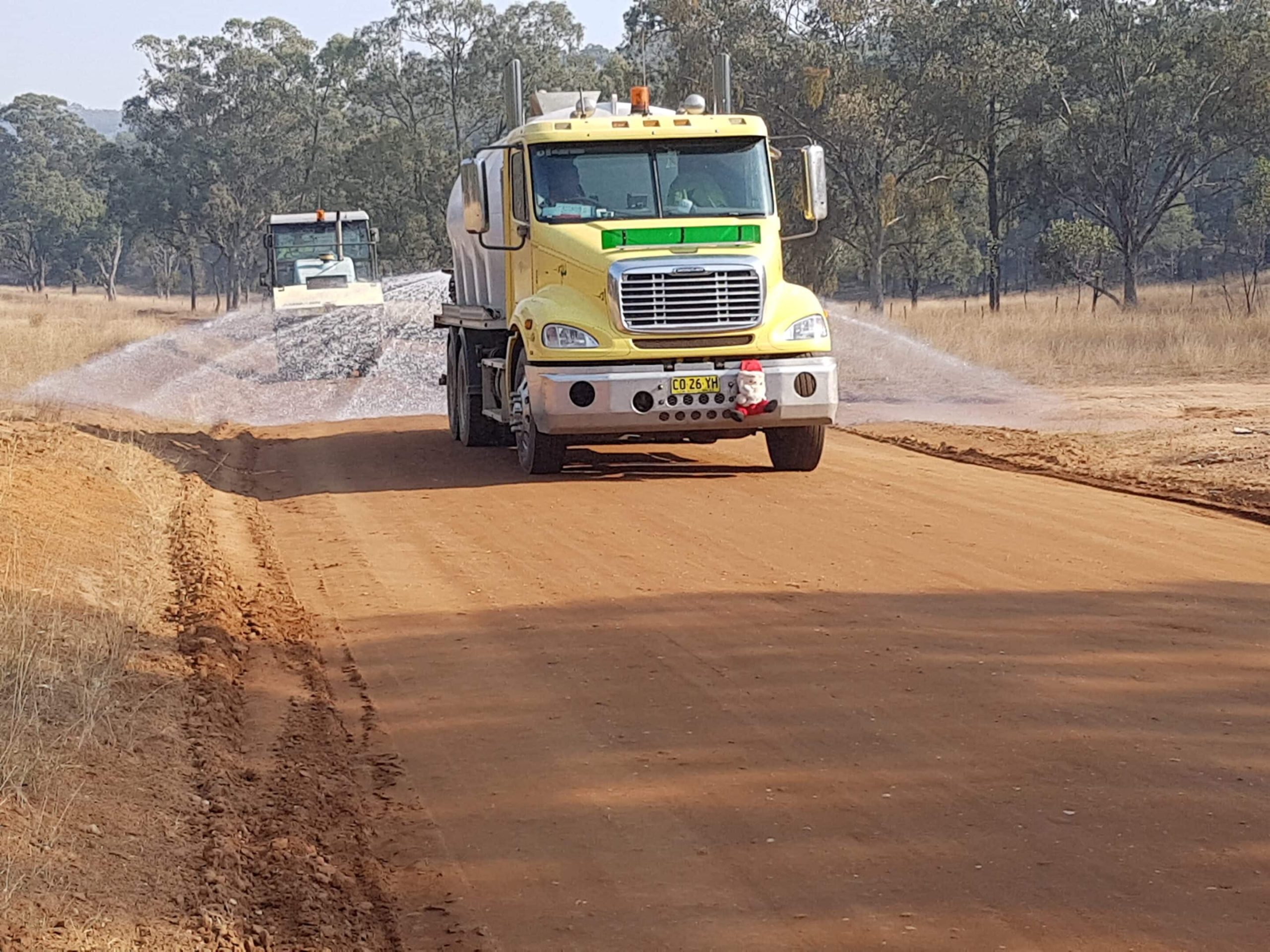
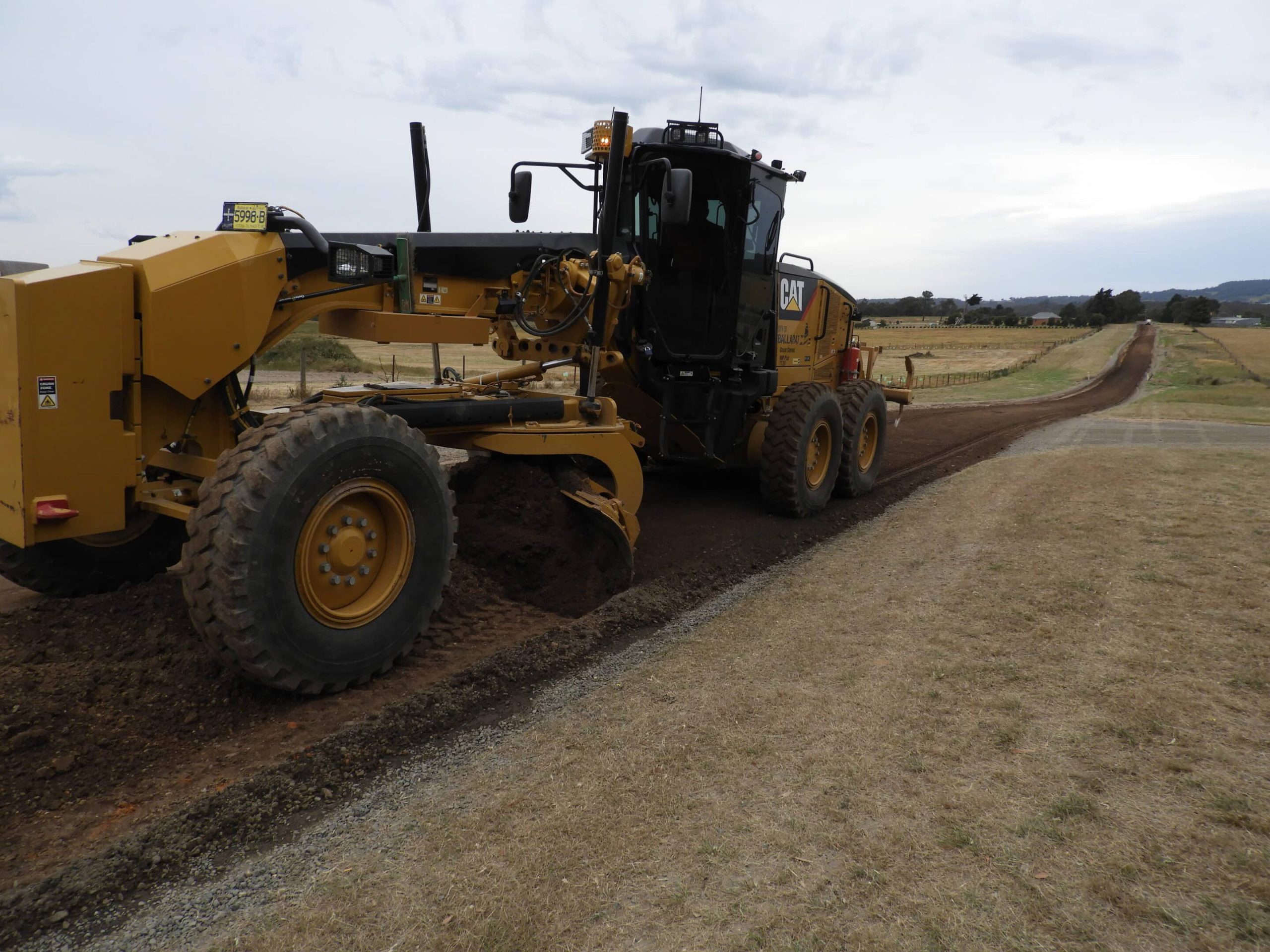
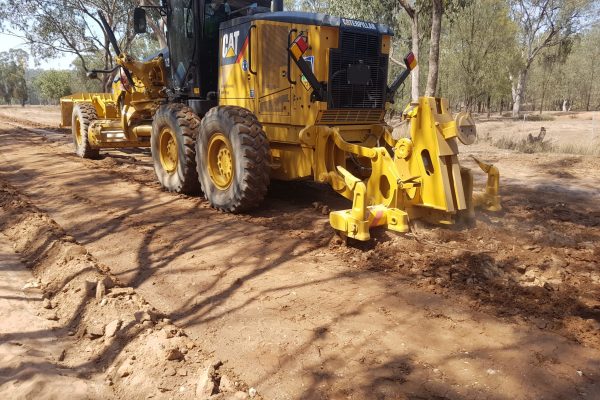
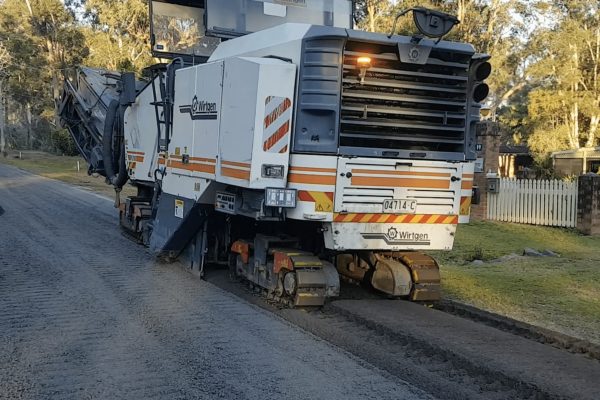
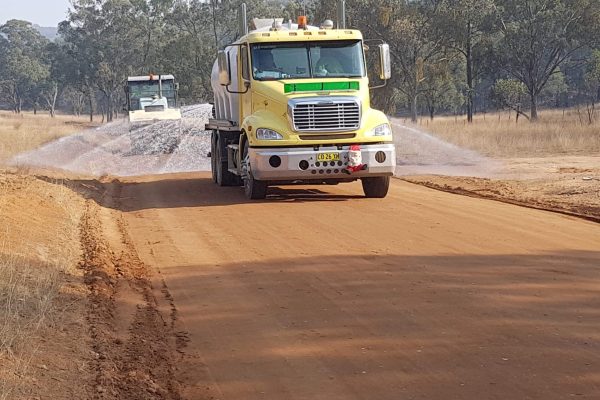
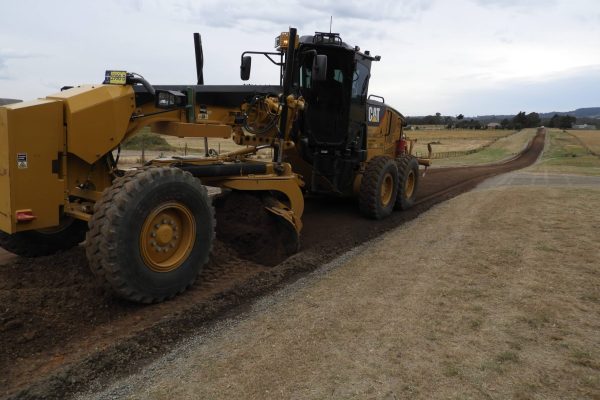
In situ materials are loosened (rip) and brought to optimal moisture content (OMC) with the addition of water, or in damp settings, allowed to aerate until optimal moisture content is reached. Diluted TERRA-3000® is evenly applied either with a mechanical stabiliser (apply and mix) or using a water cart and thoroughly mixed by grader blade. Treated materials are then shaped and compacted using predominately static compaction (shape and compact).
We will be onsite to determine mix ratios and oversee the treatment process for the application of TERRA-3000® using your own construction equipment.
TERRA-3000® is safe to use, both for those applying it and for the environment. Adhere to the instructions contained in the Material Safety Data Sheet (MSDS) and product labelling.
Immediate performance feedback (through in situ tests) and adjustment is recommended during construction. Suitable in situ testing methods include the Light Weight Deflectometer (LWD) and Plate Load Test (PLT).
Geotechnical
Addressing moisture ingress and heavy traffic loading for cohesive pavement materials – Case Study
It’s always rewarding when we can bring both our “test” and “improve” capabilities to the same project. This was the case with a recent case study for the application of...
Compaction Control
Check Out Insitutek’s New Ground Improvement Portfolio
We are delighted to officially announce our Ground Improvement portfolio. For the last three years, we have been working on extending our offer from, just, in situ testing to testing...
Civil Construction
Are lime shortages or pricing increases an issue for you or your clients?
It’s seems like every few days we are having conversations relating to the shortage of lime supply or significant price increases. Is this an issue for you? We'd like to...
Insitutek
Insitutek introduces TERRA-3000® for Soil Stabilisation
As part of our commitment to enabling our clients to push forward with confidence, we are now offering TERRA-3000® – a transformational long lasting sustainable soil stabilisation solutions for soil...
Performance Benefits
Performance results are largely driven by the suitability of the soil profile to be treated, the treatment depth and the application process. The objective is a high strength flexible unbound pavement. Performance improvements include:
- Reduced Plasticity Index (PI)
- Reduced permeability
- Reduced capillary action
- Reduced shrink / swell
- Post roller compaction, continued improvement under load/traffic (improved compaction / consolidation / agglomeration under load)
- Lower Proctor Optimum
- Higher density
- Significant increase in stiffness and in-situ modulus.
From a practical perspective, the treatment with TERRA-3000® is compelling:
- Permanent and irreversible
- Once off treatment
- No curing time
- Materials with a wide range of clay contents can be successfully treated
- Immediate performance feedback (through insitu tests) during construction
- Minimal damage from water ingress due to effective loss of capillary action in treated pavement layer.
Ideally, a minimal wearing course is placed to protect the treated surface from mechanical load and surface abrasion.
Savings
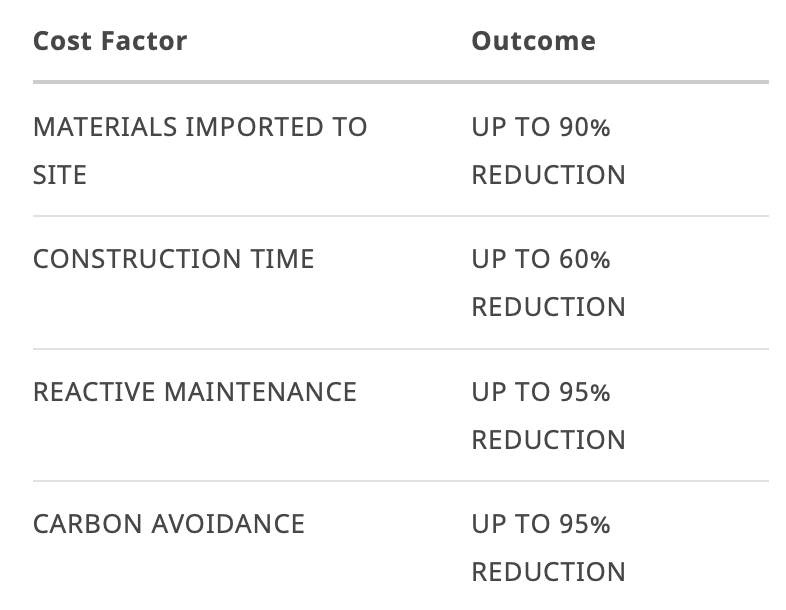
Stabilisation with TERRA-3000® typically leads to the following:
- Use / re-use of insitu materials
- Less remove and replace
- Reduced aggregate / gravel demand
- Use of marginal materials to increase road level
- Reduced transport movements
- Time saving construction / treatment method
- No curing time
- No specialist construction equipment required
- Reduced maintenance requirements
- Extended pavement life
Environmental & Sustainability Credentials
The use of TERRA-3000® for stabilisation of cohesive soils can deliver equivalent pavement performance whilst substantially reducing pavement thickness by the creation of a base-grade layer made from in-situ materials. This leads to significant reductions in material removal and replacement compared to a standard pavement design.
Using TERRA-3000® reduces carbon emissions compared to typical pavement design and construction. Lower site carbon emissions result from:
- greater use of in-situ materials
- reduced use of imported construction materials (e.g. gravels)
- less transport movements
- the simplified construction process
For a given project, manufacture and delivery of TERRA-3000® has a very low carbon footprint.
Further sustainability benefits include that it is non-leaching, leaves no residue, is lime and cement free, and has no airborne particulates, meaning it is safe for operators to use and suitable for sensitive environments.
TERRA-3000® Pedigree
TERRA-3000® was developed more than 30 years ago by Austrian inventor, Richard Pachler, and commercialised by his company, TERRA-SYSTEM Bodenstabilisierung Betriebsgesellschaft mbH. TERRA-3000® is manufactured in Austria.
We partner with Nanotech Civil, who have more than 7 years practical on-site experience guiding local civil construction crews in applying TERRA-3000®. In Australia, most of our TERRA-3000® projects have been local government sealed and unsealed road construction & rehabilitation projects. We have used TERRA-3000® with many different soil types and profiles, and executed projects within widely varying geographical settings and weather conditions.
Trusted by our clients




































































































































Trusted by our partners