There is nothing like jumping in at the deep end!
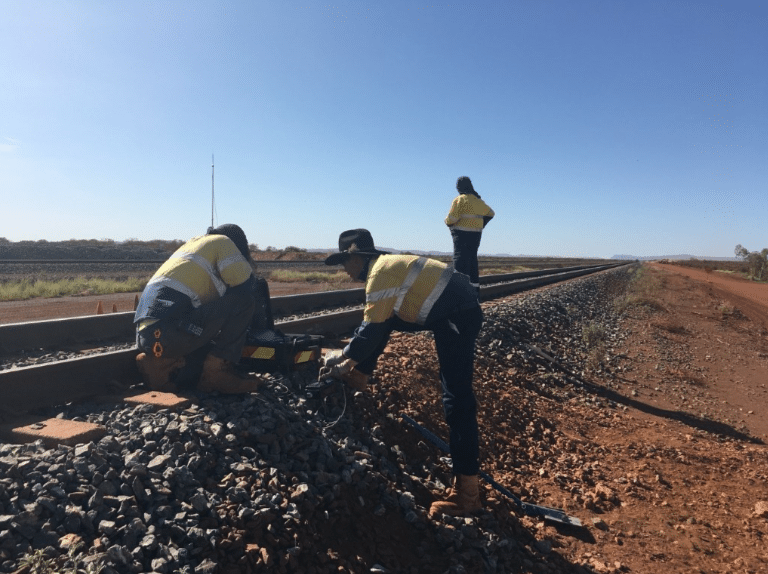
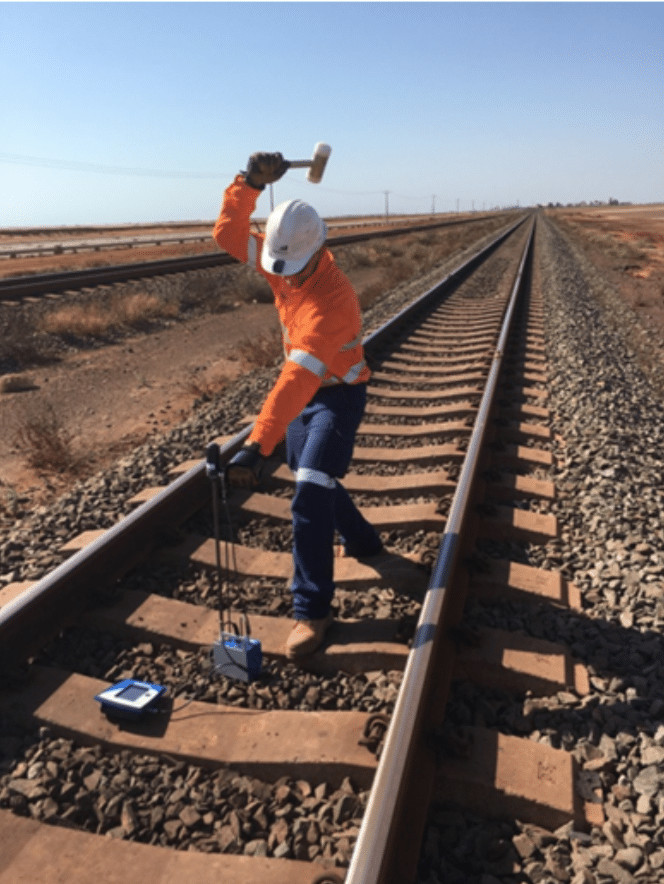
With buy-in from Fortescue Metals Group, BHP, and Rio Tinto, we brought together our supply partner, Sol Solution from France, and the extreme conditions of deep fouled ballast and the Pilbara climate to test how the PANDOSCOPE® would operate. Suffice to say, the outcomes were very positive and we have subsequently started our first projects using the PANDOSCOPE® in Australia.
So what is the PANDOSCOPE®?
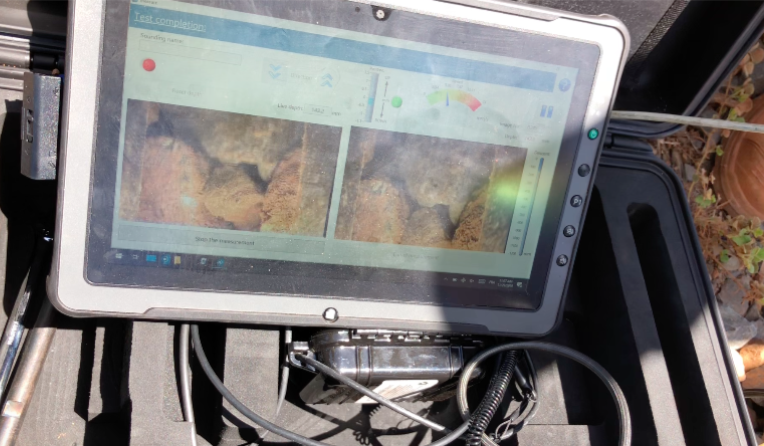
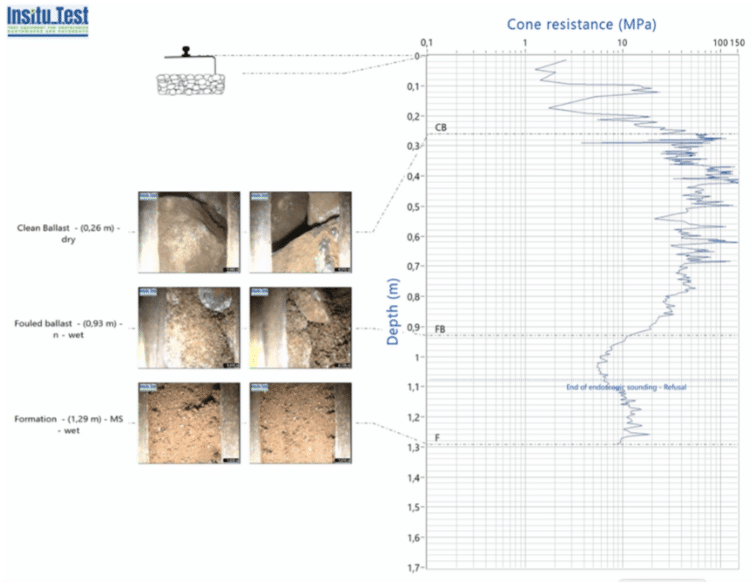
The PANDOSCOPE® is a coupling of the PANDA® Instrumented Dynamic Cone Penetrometer (DCP) (tip resistance vs depth profile) and Geoendoscopy (down-the-hole imagery).
How is the PANDOSCOPE® used in rail applications?
The PANDOSCOPE® is a non-destructive rail track ballast and formation condition assessment method, typically used when planning track maintenance and renewal.
In rail applications, the PANDOSCOPE® measures geotechnical aspects of the track bed and can provide the following outcomes:
- Layer characterisation for ballast and formation (identification, thickness, water content [qualitative], estimation of the soil grain size distribution, and ballast condition/fouling assessment)
- Mechanical information: cone resistance (direct measurement) or CBR/other parameters via correlation
What was the purpose of the initial trials?
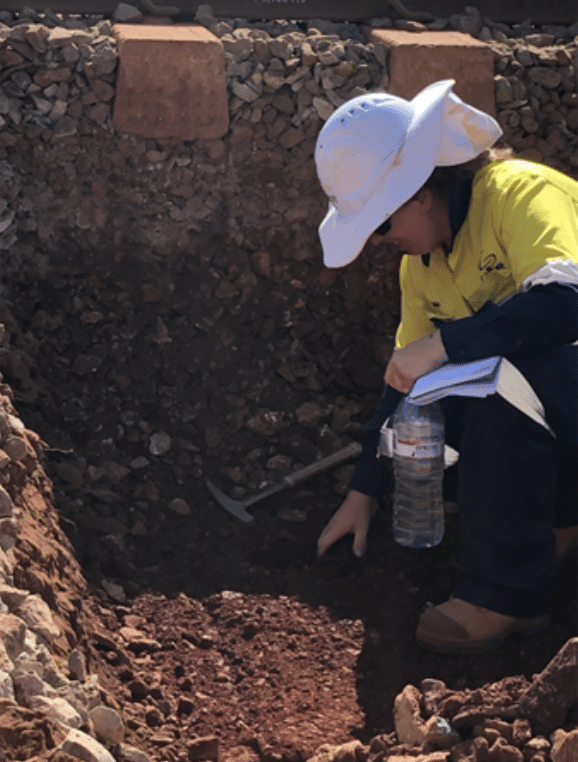
To understand the ballast and formation condition, the miners were looking to evaluate the PANDOSCOPE® against current methods such as potholing, DCP testing, visual observation, sampling, and Ground Penetrating Radar (GPR) data.
Heavy haul iron ore rail lines in the Pilbara are typically operational 24/7. Hence, the miners really wanted to understand if it was possible to test between trains, working under lookout protection.
From our perspective, we wanted to see how the PANDOSCOPE® would perform under the extreme conditions of deep fouled ballast and the Pilbara climate.
What have we learned from our PANDOSCOPE® work in the Pilbara so far?
Rio Tinto, BHP, and Fortescue Metals Group all have exceptionally high levels of safety requirements, so one breakthrough was receiving approval to test between trains while working under lookout protection.
One of the things we love about working with Sol Solution is that innovation is in their DNA. Every year, more than 10% of their turnover is allocated to R&D. For example, in our initial trials we discovered that the fouled ballast was consistently stiffer over greater depths than many other heavy haul and passenger networks we’ve worked on across Europe, the Americas, and Asia. Within weeks, their R&D team had developed solutions to the practical issues we experienced — which have since proven very effective.
Other highlights in discussion with our clients include:
- No destabilisation/disturbance of the track, which is critical if renewal works are delayed or cancelled
- Cost-effective methodology — reduced cost per hole compared to conventional approaches like potholing, and reduced head count on site (which also reduces the need for flights and accommodation in remote areas)
- Better-informed decision making
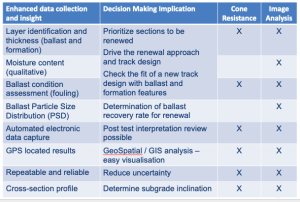
We look forward to bringing this impressive PANDOSCOPE® testing approach to a wider audience, helping our clients gain clear insight into what’s going on below the surface so they can make timely, well-informed decisions.
Forensic analysis of pavements is one example. Investigation into the walls of underground structures (like tunnels) is another.
For more information on how the PANDOSCOPE® could benefit you, visit our website.
Fortescue Metals Group is a global leader in the iron ore industry, known for innovation, culture, and world-class infrastructure in the Pilbara, Western Australia.
Rio Tinto produces materials essential to human progress, including iron ore, aluminium, copper, and borates. Our work focused on their iron ore operations.
BHP is a world-leading resources company that extracts and processes minerals, oil, and gas. Our focus was on their Pilbara iron ore operations.
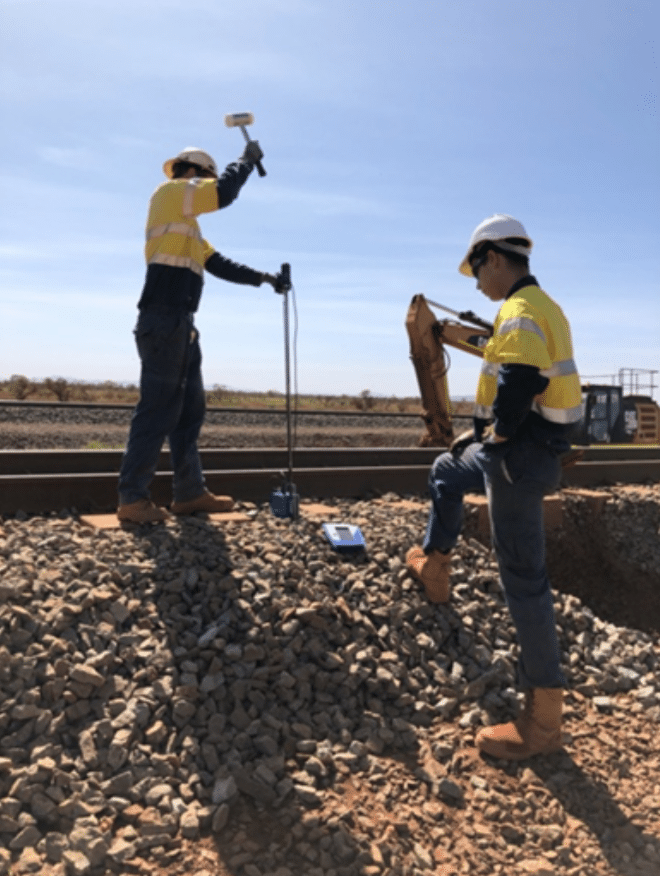
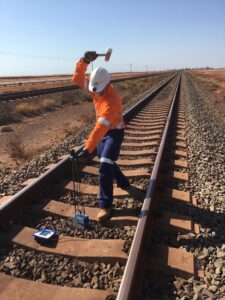
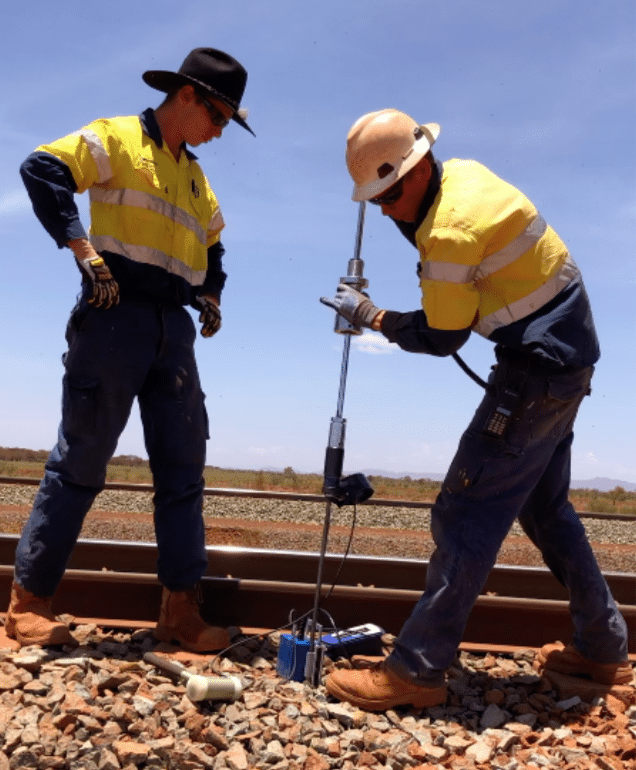

PANDA® Instrumented DCP testing using the manual accelerated hammering column